
Compact Utility Tractors Put the Emphasis on “Utility”
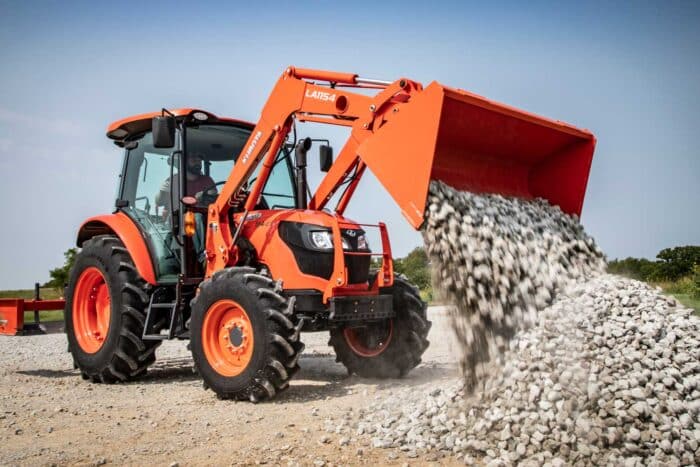
When asked to define “utility” AI provided this answer: “At its simplest, utility means usefulness. It is the quality of being practical, beneficial or capable of satisfying a need.” That is exactly what compact utility tractors offer.
Versatile but Limited
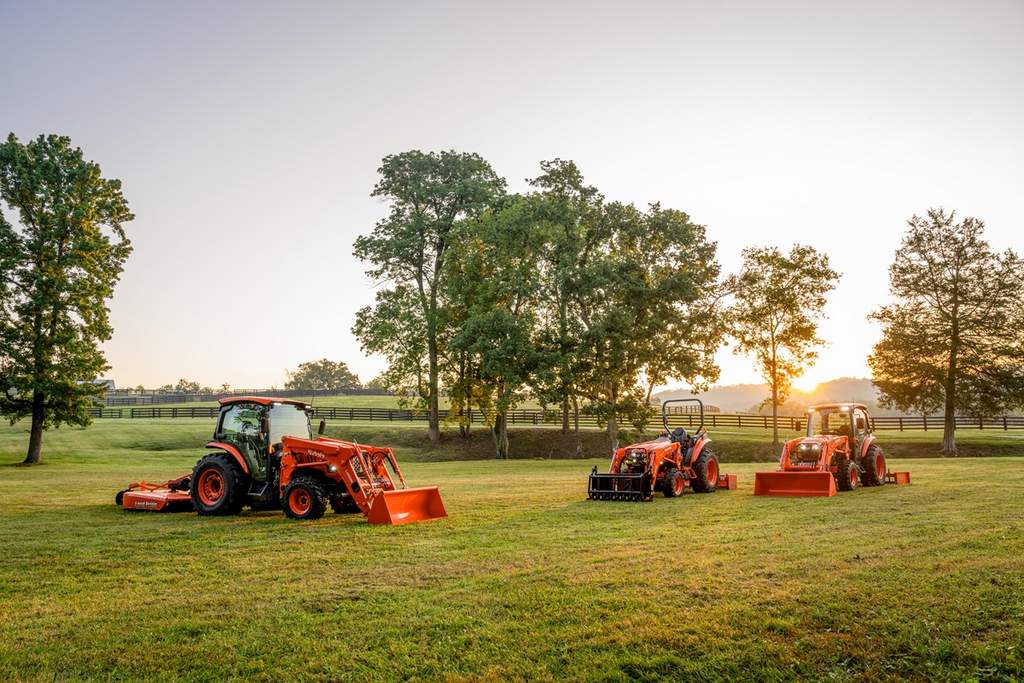
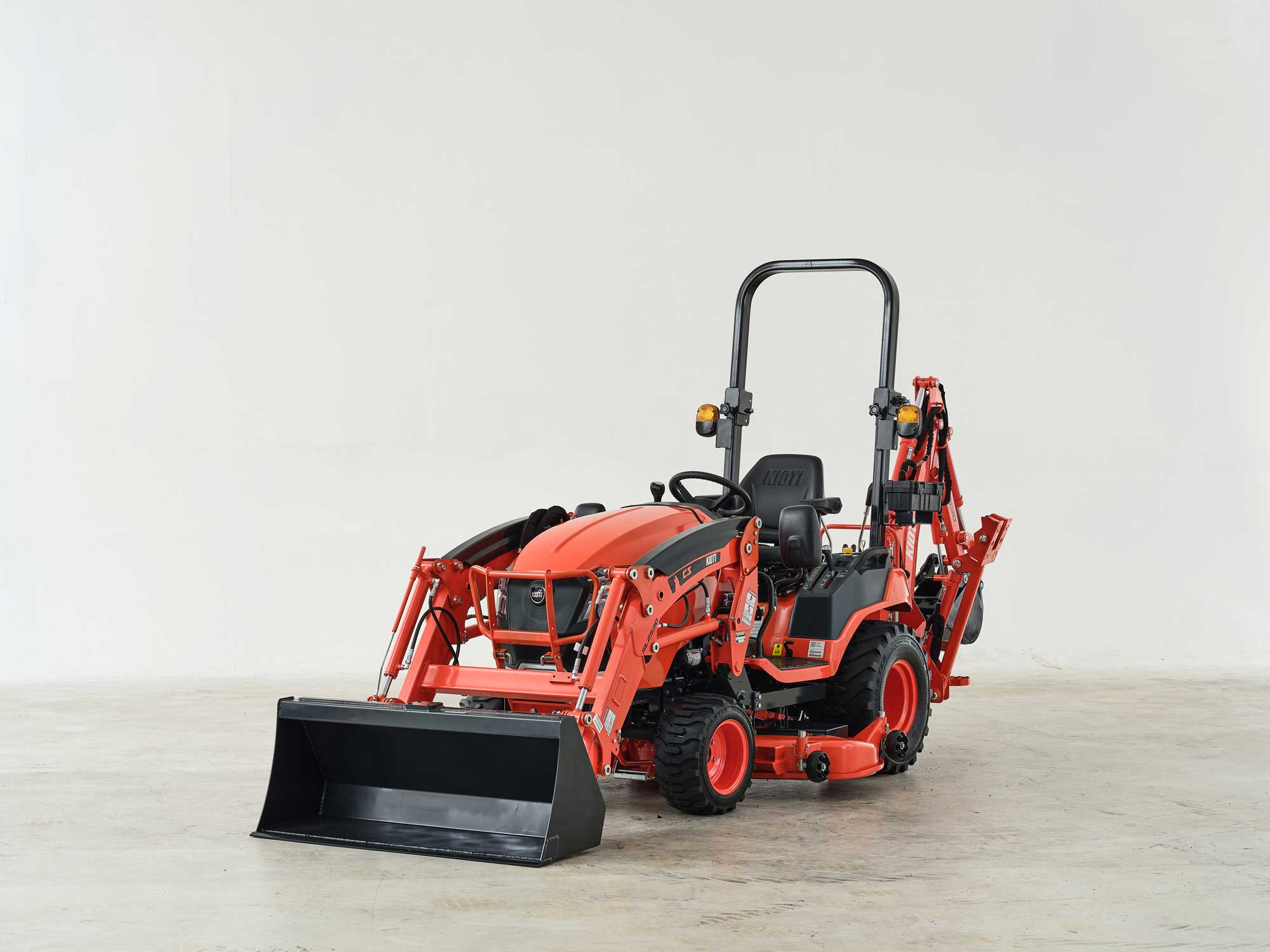
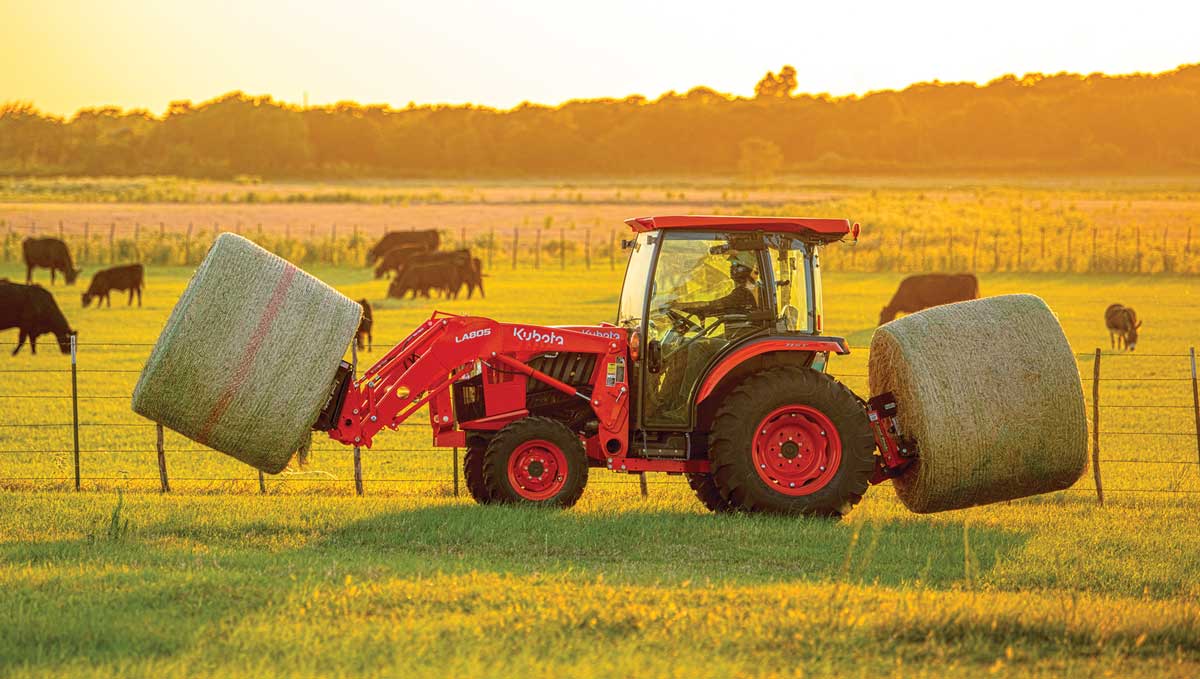
Compact utility tractors, which are defined as those having 25 to 75 engine horsepower, are amazingly useful and excel at a lot of applications. In order to deliver this versatility, compact tractors may be the most varied in design standards of all compact equipment. They pretty much all have rear PTO and most come with front loader arms and a bucket, but there are also mid-mount PTO and front-mount PTO. The latter is least common by far of the three and requires a dedicated hitch. Mid-mount PTOs often have a drive shaft to run front-mounted implements such as snow blowers and rotary brooms. The rear usually also has a 3-point hitch but may have a skid steer plate. Maybe a pin coupler. Maybe a backhoe.
Some include hydraulic systems for powering attachments and implements. Some have multi-valve hydraulics for more sophisticated attachments. But compact tractors tend to have lower hydraulic performance than other compact equipment of similar engine horsepower, and customers are advised to choose a tractor on hydraulic specs rather than engine horsepower for this reason. And know that if you’re running high-demand attachments such as rock saws or chain-type trenchers, you’ll not likely find a compact tractor with the necessary hydraulic performance.
Mark Davey, marketing manager for small tractors at John Deere, says the company offers its Power Beyond kit to help with this limitation. Power Beyond maximizes hydraulic performance for higher-demand attachments. Note that the Power Beyond kit is specific to the tractor and the driven attachment must be compatible with Deere’s open-center hydraulic architecture on their 2 Series, 3 Series and 4 Series compact tractors. Open-center hydraulics are simple, cost-effective and offer adequate performance for many applications. They are used by most, if not all, compact utility tractors.
When comparing compact tractors to other compact equipment, the tendency can be to undervalue compact tractors as they typically have less engine horsepower and less hydraulic performance, says Cory Hunt, compact tractor global specialist at New Holland Agriculture. “But for the applications where they’re most used, compact tractors are fully competent.” What are those applications? Anything preceded by the word “light:” tillage, loading, farm work, landscaping. Compact tractors are the wrong choice for any application requiring brute force and are much better suited to applications requiring a bit of finesse. For land clearing and site prep they’re easily overwhelmed. For maintaining existing features they’re unmatched. A large percentage are used for mowing with rough-cut mowers on the back or mid-mount belly mowers used for finish mowing.
Click here to continue reading this article in our digital edition.


Comments are closed here.