
How to Prepare Your Compact Track Loader for Reliable Cold-Weather Performance
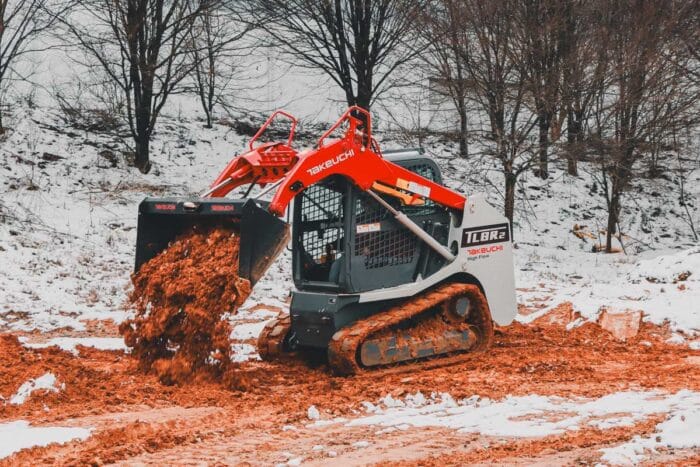
For many contractors, the onset of winter doesn’t necessarily mean their work slows down. If you earn your keep through snow removal, utility work, material handling and countless other cold-weather applications, you know how important it is for your compact track loader to power through.
Cold temperatures, however, introduce a different set of maintenance challenges than you may face during the rest of the year. Snow, ice and repeated freeze-thaw cycles can affect everything from fluid performance and starting systems to undercarriage wear and hydraulic operation.
“Preparing a machine before freezing temperatures arrive and conducting consistent maintenance throughout the season is a must,” says Dylan Freeman, product manager for Takeuchi-US. “Most winter equipment problems don’t happen because it’s cold out — they happen because machines weren’t prepared correctly for those working conditions. A little preventative maintenance can make a big difference.”
Start Before the First Freeze
One of the biggest mistakes contractors make is waiting too long to prepare their machines for winter. Cold snaps and snowstorms have a way of sneaking up on us, so it’s important to begin your winter prep well before freezing temperatures become the norm.
Start by making sure the machine is using the proper engine oil, coolant and diesel fuel for anticipated temperatures. The operator’s manual should always be the primary resource for determining the correct engine oil viscosity for cold-weather operation. Coolant should be checked to ensure it provides adequate freeze protection, while #1 diesel fuel or a winter-blend fuel can help prevent fuel gelling during periods of extreme cold.
It’s also a good time to confirm that scheduled maintenance is up to date and inspect the hydraulic oil. The oil’s condition is just as important as whether it’s at the proper level. Dark or burnt-looking hydraulic oil may indicate it’s time for replacement, while milky oil can signal water contamination that should be addressed before it damages hydraulic components.
Taking these preventive steps before temperatures fall can help contractors avoid costly downtime during one of the busiest times of the year.
Walkin’ in a Winter Wonderland
A thorough daily walk-around inspection becomes even more valuable during the winter months.
Begin by checking engine oil, coolant and hydraulic fluid levels while inspecting hydraulic oil for signs of contamination or discoloration. Drain water from the fuel/water separator each day, since moisture in the fuel system can freeze and restrict fuel flow, potentially causing engine performance issues or expensive fuel-system repairs.
Operators should also inspect the radiator and hydraulic cooler to ensure they’re free of dirt, snow and debris that could restrict airflow. While it may seem counterintuitive, construction equipment can still overheat during winter if cooling systems become clogged or airflow is restricted.
Protect the Undercarriage
If you’re working in snowy, icy or muddy conditions, be sure to inspect your machine’s undercarriage at the end of the day. Throughout the day, snow, slush and mud can pack around rollers, idlers and drive components. Left in place overnight, that material can freeze solid, preventing rollers from rotating properly, increasing stress on tracks and, in some cases, creating flat spots on rollers. Tracks may even freeze to the ground if the machine is parked on wet or muddy surfaces.
“Cleaning the undercarriage at the end of every shift is one of the simplest and most effective ways to reduce unnecessary wear,” Freeman says. “It also provides an opportunity to inspect tracks, rollers and idlers for uneven wear or damage before minor issues become major repairs.”
Track tension deserves regular attention as well. Tracks adjusted too loosely increase the risk of de-tracking, while tracks that are too tight place unnecessary stress on rollers, idlers and drive components. Following the manufacturer’s recommendations for inspection intervals and adjustment procedures helps maximize undercarriage life.
“At the end of the workday, wipe exposed hydraulic cylinder rods clean to remove snow and debris that could damage cylinder seals after freezing,” Freeman says. “Whenever possible, park on dry, solid ground to reduce the likelihood of tracks freezing to the surface overnight.”
Warm Up the Machine — Not Just the Engine
Cold starts can place additional stress on both the engine and hydraulic system if operators rush into work too quickly.
After startup, allow the engine to idle for several minutes so oil has time to circulate throughout the engine before increasing RPM. Hydraulic functions should also be engaged gradually until the system reaches operating temperature. Avoid placing the machine under heavy load immediately after startup, since cold hydraulic oil requires additional time to flow efficiently and protect system components.
In colder climates, a block heater can make cold-weather starts easier while reducing engine wear. Operators should avoid using ether or starting fluid unless specifically recommended by the manufacturer, as these products can damage internal engine components.
Cold weather also places greater demands on a machine’s starting system. Before winter arrives, inspect batteries for corrosion, verify cables and terminals are clean and secure, and consider load testing batteries that may be nearing the end of their service life.
“A battery that performs fine during warmer months may begin to struggle once temperatures begin to fall,” says Freeman. “If you know your machine’s battery is getting toward the end of its useful life, you may want to go ahead and replace it so you know it’s not going to fail when you need to work on a cold winter morning.”
Adjust Operating Habits for Winter Conditions
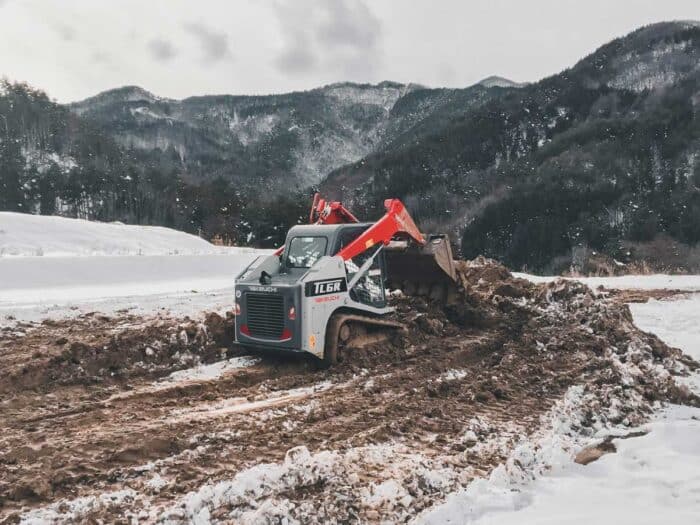
Even a well-maintained compact track loader benefits from thoughtful operation when conditions become more challenging.
Operators should allow extra time for the machine to reach operating temperature and avoid abrupt increases in engine speed or aggressive hydraulic operation until systems have warmed. Traveling at reasonable speeds, minimizing aggressive counter-rotating turns when conditions allow and carrying loads low to the ground can help improve stability while reducing unnecessary stress on the undercarriage.
Visibility is equally important. Before beginning work, ensure windows and the front door are completely defrosted. Snow-covered jobsites can conceal curbs, rocks, utility covers and other obstacles that may not be immediately visible, making a careful jobsite inspection essential before work begins.
Stay One Step Ahead
One of the most effective winter maintenance strategies is taking advantage of today’s advanced technology to ensure you stay one step ahead.
Telematics systems can also help contractors take a more proactive approach to winter maintenance by providing greater visibility into machine health, operating conditions and service intervals. By helping owners identify developing issues before they become unexpected repairs, these systems support better planning and improved uptime throughout the winter months.
“Systems such as our Takeuchi Fleet Management (TFM) help owners track service intervals, monitor machine health and identify developing issues before they result in downtime,” Freeman says. “These systems offer the kind of peace of mind you can’t put a price on.”
By preparing compact track loaders before freezing weather arrives and following a disciplined inspection and maintenance routine throughout the season, contractors can reduce downtime, extend component life and keep their machines working productively until spring.
Lynette Von Minden is the director of public relations at Swanson Russell.



Comments are closed here.