
Five Ways Contractors Can Keep Equipment Earning This Fall Season
Chillier temperatures may signal the end of summer, but they don’t have to cool down business for land management professionals. As vegetation growth slows and falling leaves improve visibility, fall creates a valuable window for contractors to tackle projects that piled up during the growing season and prepare properties for winter.
From reclaiming overgrown acreage to maintaining rights-of-way and reducing wildfire fuel loads, operators can use fall to diversify their services and extend the busy season. Choosing equipment based on the vegetation, terrain, and scope of each project also helps crews take on a broader range of work without sacrificing productivity.
“Fall work can look very different from one jobsite to the next, so versatility starts with understanding what the job actually requires,” said Nate Cleveringa, vice president of engineering and product management at Diamond Mowers. “Contractors should consider the type and density of vegetation, as well as terrain, carrier capabilities, and desired finish when selecting equipment. Making that match upfront can help them work efficiently and take on additional projects throughout the season.”
The following revenue-generating strategies can help contractors broaden their capabilities and create lasting value beyond a single job.
1. Clean Up the Growing Season: Property Reclamation and Brush Management
Months of warm weather can leave properties covered in tall grass and thick brush. By fall, that growth can swallow usable acreage, restrict access, and create bigger projects for next year.
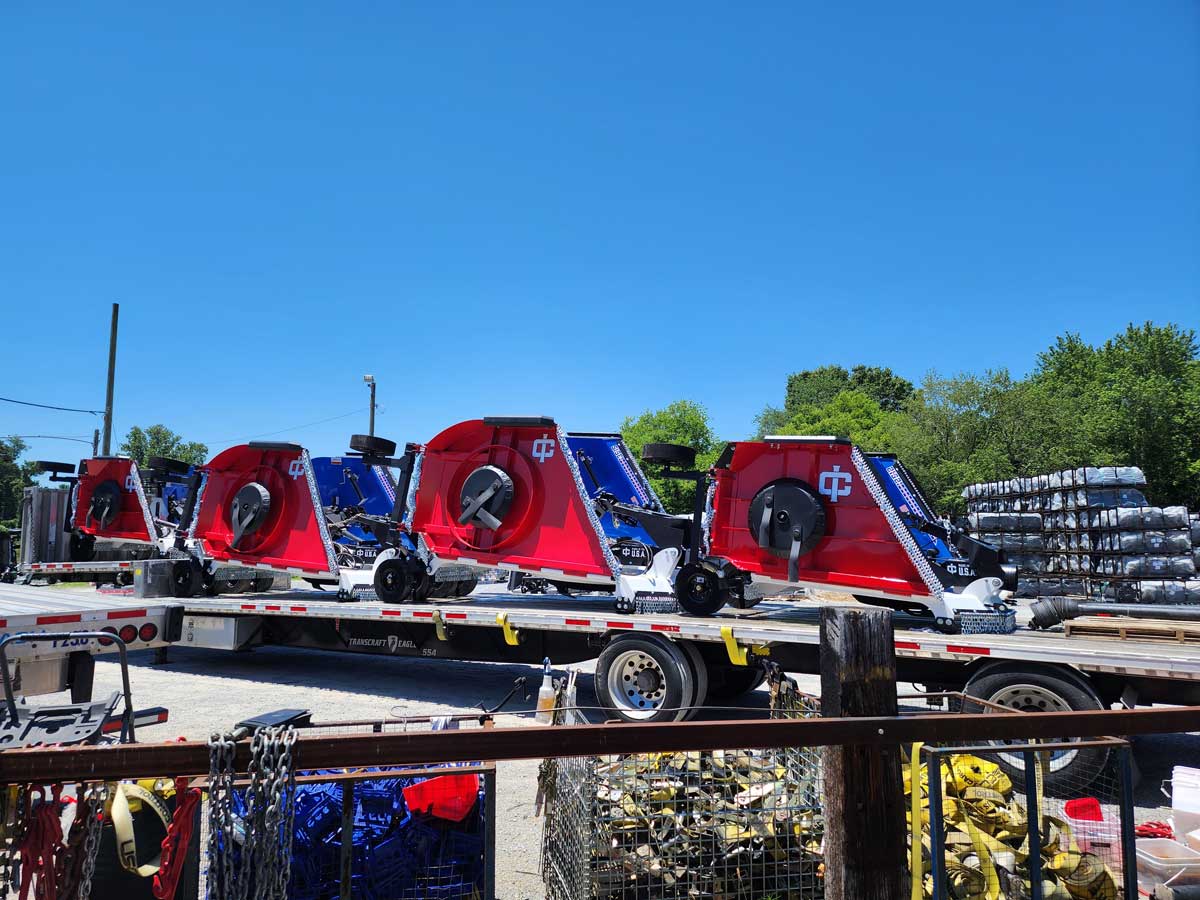
Contractors can turn this seasonal cleanup into revenue by helping customers reclaim residential property, agricultural land, and undeveloped lots. The vegetation and scope of the job should guide equipment selection. For grass, brush, and woody material, the Brush Cutter Pro X clears thick growth and trees up to 10 in. in diameter, while the Mini Brush Cutter Pro X is an option for tighter spaces and trees and brush up to 5 in. in diameter.
When jobs demand more processing power, operators can step up to Diamond’s Drum Mulcher Pro X2 lineup or Disc Mulcher Belt Drive (BD) Pro X. The Drum Mulcher DC Pro X2 processes trees and brush up to 9” in diameter into fine mulch, and the BD Pro X tackles material up to 14 in. in diameter for high-production land clearing.
“The ability to take on different types of work is a real advantage for crews,” said Cleveringa. “A job might start with clearing grass and brush but quickly progress into heavier or larger material. Having equipment that meets those changing demands helps expand the types of projects that can be pursued.”
2. Draw the Line: Fence Line and Right-of-Way Maintenance
A full growing season can quickly cover boundaries and rights-of-way with unruly vegetation; left unmanaged, it can damage fencing and make future roadside maintenance more difficult.
Fall gives farmers, ranchers, and property owners an opportunity to restore order before winter and leverage the versatility of equipment that can adapt to changing demands. Brush cutters clear grass along fences and other boundaries, while mulchers process thicker vegetation and trees to restore access and improve sightlines.
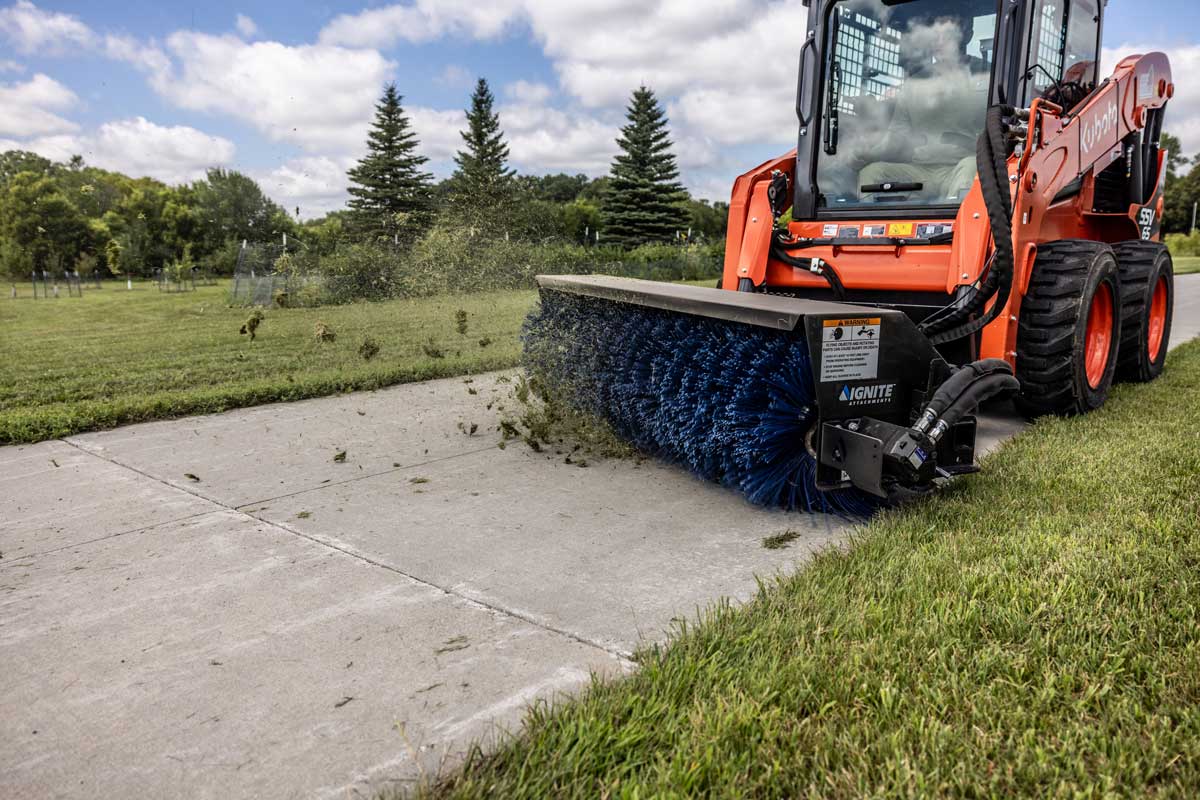
Municipal and roadside projects broaden the types of fall work individuals take on as well. The DM360 and DM360X multifunction machines support mowing, mulching, cutting, and ditch maintenance. The DM360X adds lower hydraulics and a universal skid-steer plate, allowing operators to run compatible attachments for myriad applications. Snow removal and sweeping attachments can also help teams transition the machine from fall vegetation management into winter maintenance.
3. Prepare for the Hunt: Trails, Shooting Lanes and Recreational Properties
While some customers need help maintaining working land and infrastructure, others have a different fall priority. Hunting season creates a specialized opportunity for crews serving rural landowners and recreational property managers. Overgrown trails and shooting lanes can restrict access and visibility, creating demand to clear paths to stands and food plots, open sightlines, and maintain frequently used areas.
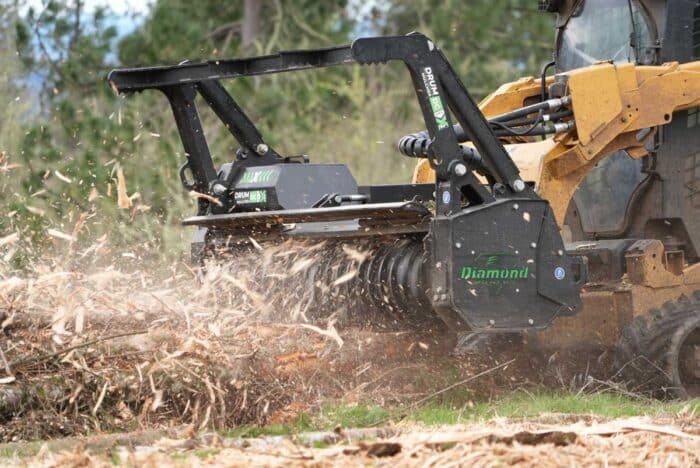
Here, equipment choice depends heavily on both vegetation and access. A brush cutter handles smaller material along trails and shooting lanes, while larger trees or properties that have gone several seasons without maintenance are better suited for disc or drum mulchers. Excavator-mounted attachments provide another option for targeting unwanted vegetation on steep slopes, embankments, and other hard-to-reach spaces.
These projects can lead to repeat work, too. Customers who need trail clearing in the fall may later need fence line maintenance, invasive species control or broader property reclamation.
4. Get Ahead of Winter: Tree, Stump and Debris Removal
Recreational properties aren’t the only places where summer growth and weather leave work behind. As winter approaches, contractors can help address damaged or unwanted trees before cold weather creates new problems. Summer and fall storms may leave downed limbs, leaves, and debris that property owners want removed before snow arrives as well.
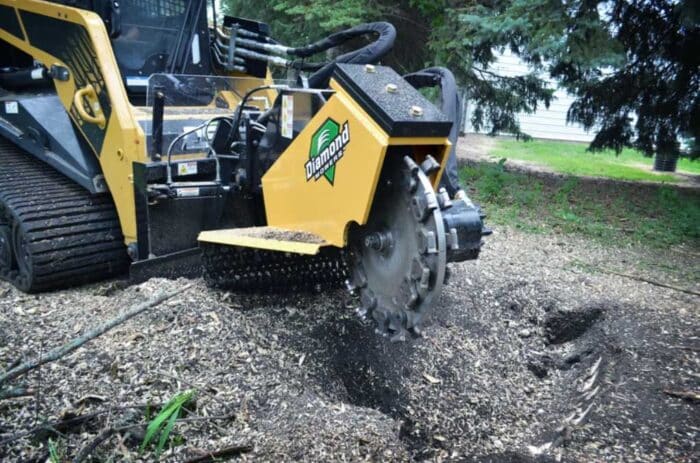
Operators can increase the scope of these jobs by offering cleanup beyond tree removal. Disc and drum mulchers provide different options for processing standing trees, downed material, and heavy brush. Once the trees are removed, the Miller Stump Grinder can grind remaining stumps below ground level and make room for landscaping, construction, or other jobs. Pairing tree and debris removal with stump grinding allows contractors to provide a more complete solution while capturing additional work from the same jobsite.
5. Protect What Matters: Fire Mitigation and Defensible Space
While cleanup work helps customers address what was left behind, other projects like wildfire mitigation can help them prepare for hazards that could lie ahead. Case in point: according to the National Interagency Fire Center, wildfires have burned more than 9 million acres across the United States this year.
Property owners and land managers can use the fall to reduce fuel loads and prepare for future fire seasons. Dense brush and dead vegetation create fuel around homes, businesses, and other infrastructure, creating opportunities for contractors to help maintain defensible space.
Because fire mitigation projects vary significantly by property, operators should consider the terrain, vegetation, and scope of work when pairing carriers and attachments. Brush cutters address lighter vegetation, mulchers process heavier growth and woody material, and excavator-mounted attachments help crews reach slopes and other challenging areas.
“Versatility becomes especially valuable when the work changes from one property to the next,” Cleveringa added. “Contractors who select the right equipment for the conditions can solve more problems for their customers. That can turn one fall project into an ongoing vegetation management relationship and help keep teams productive across multiple seasons.”

Comments are closed here.