
Weather It Better: Prepare Before Summer Storms Strike
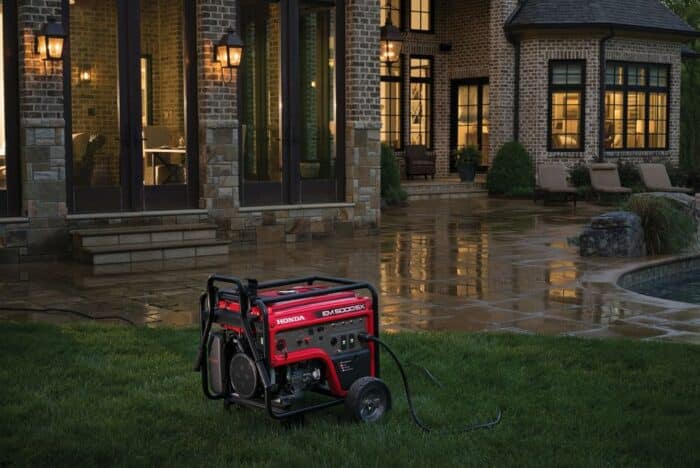
Summer storm season is here, but having the right outdoor power equipment on hand can help you weather storms better, says the Outdoor Power Equipment Institute (OPEI).
“If you think ahead, you can mitigate damage from high winds, flooding, wildfires and other storm surprises,” says Kris Kiser, president and CEO of OPEI, an international trade association representing manufacturers and suppliers of outdoor power equipment, small engines, battery power systems, portable generators, utility and personal transport vehicles and golf cars.
To get ready for inclement weather, homeowners should assess their property in advance, identify what equipment is needed and focus on limiting potential storm damage.
“Get out your equipment now and check it over,” adds Kiser. “Make sure it’s serviced and working well so you’ll be ready when the storm hits. And remember to buy extension cords for generators and fuel in advance.”
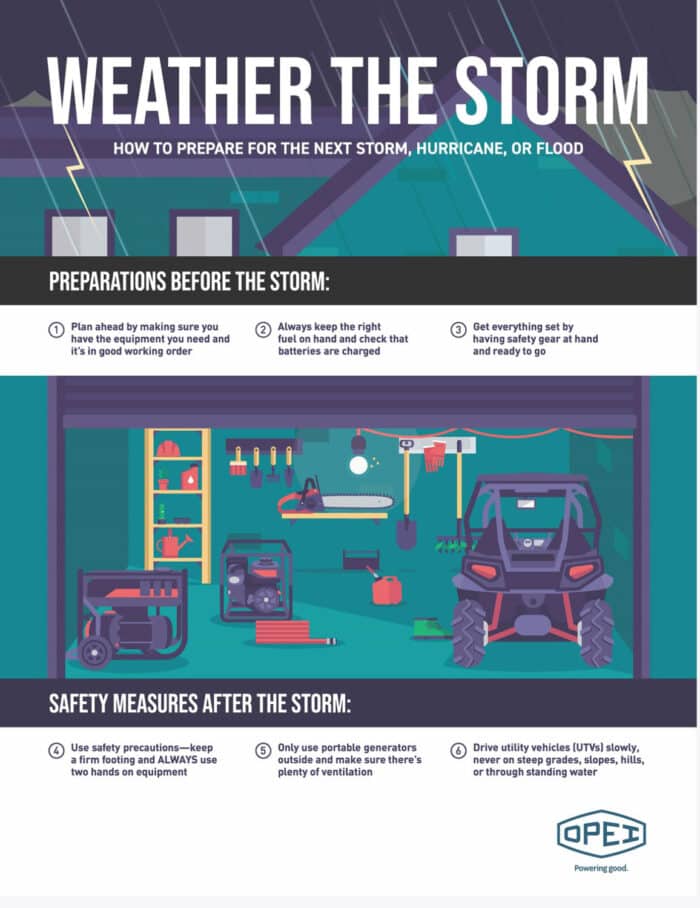
Depending on type and size of your landscape, there is equipment for every need including:
- Chainsaws and pole saws that can trim dead or dying limbs and cut shrubs away from windows and doors ahead of damaging storm winds.
- String trimmers and pruners that remove combustible material from around your home, making it less vulnerable to wildfires.
- A portable generator to power key appliances and charge cell phones or home medical equipment during power outages. Important note: Before an outage, plan where the generator will be set up. NEVER place a generator in a home, garage, carport, or near an open window or door. Use outdoor-rated extension cords long enough to carry power into your home from a safe distance and rated to handle the power drawn.
- Water pumps to get water and muck out of basements and homes. Never pump substances that your equipment is not designed to cope with. Pay attention to avoid overheating and follow all safety precautions.
- A utility type vehicle to transport people and supplies quickly in an emergency. Remember to keep the vehicle stable, drive slowly, and do not turn mid-slope or while on a hill.
Kiser also adds to follow manufacturers’ guidance. “It sounds basic, but it’s important,” he says. “Never disable, modify or remove safety devices.”
OPEI also advises equipment users to pay attention to energy levels and health. Storm preparation and cleanup can be taxing. Do not operate power equipment when tired or overly fatigued, and always use safety equipment like chaps, gloves, eye protection or hearing protection.
For more tips, go to WeatherItBetter.com.



Comments are closed here.