
Check Out These Brush Cutter Maintenance Tips from Blue Diamond Attachments
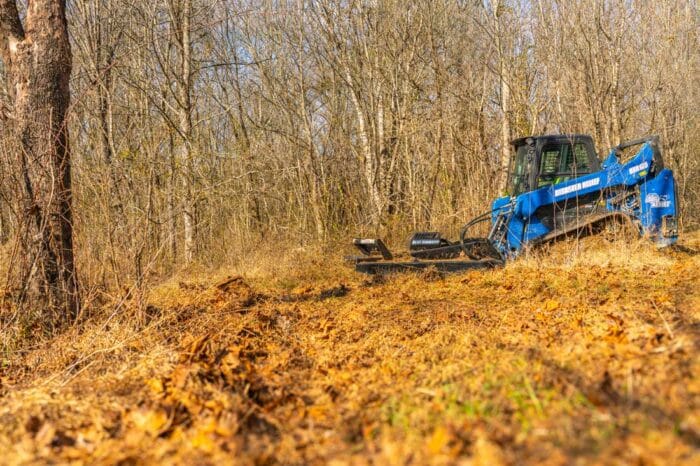
Brush cutters have a tough job. One day they’re knocking down thick brush along a fence line, and the next they’re clearing overgrown lots, reclaiming neglected property or maintaining rights-of-way. They’re constantly exposed to rocks, stumps, dirt, mud and whatever else happens to be hiding in the vegetation. It’s demanding work, and unlike many attachments, brush cutters spend much of their time absorbing impact after impact while operating at high speeds. That’s why maintenance matters.
The good news is that keeping a brush cutter in top condition doesn’t require hours in the shop every week. In most cases, a few simple habits can dramatically improve performance, reduce downtime and help extend the life of the attachment. Operators who stay ahead of maintenance issues usually spend far less time dealing with repairs later.
Start with the Owner’s Manual
Every maintenance program should begin with one simple step: understanding the manufacturer’s recommendations.
While brush cutters share many common design characteristics, service intervals and maintenance requirements vary by model. Operators should familiarize themselves with recommended inspection schedules, lubrication requirements and service procedures outlined in the owner’s manual.
The owner’s manual also provides guidance on inspection intervals for blades, blade carriers, bearings and hardware — information that serves as the foundation for any preventive maintenance program.
Make Pre-Operation Inspections a Daily Habit
One of the simplest ways to prevent unexpected downtime is performing a quick walkaround inspection before each day of operation. It only takes a few minutes, but a daily inspection can reveal developing issues before they become major failures.
Operators should inspect for:
- Loose or missing hardware
- Damaged hydraulic hoses
- Hydraulic leaks
- Excessive blade wear
- Cracked or bent blades
- Debris wrapped around moving components
- Signs of structural damage
Brush cutters absorb tremendous punishment during operation, and many failures begin as small issues that could have been detected during a routine inspection.
Whether the attachment utilizes a gearbox or a direct-drive hydraulic system, maintaining proper grease and oil levels is critical. Using the wrong lubricant or neglecting routine fluid checks can significantly shorten component life and lead to costly repairs.
Hydraulic hoses deserve particular attention. A minor abrasion or damaged outer covering may not seem serious, but under hydraulic pressure, small problems can quickly escalate into catastrophic failures.
Daily inspections allow operators to identify and address concerns before they impact productivity.
Blade Condition Directly Impacts Performance
When discussing brush cutter productivity, operators often focus on hydraulic flow rates and machine horsepower. While those factors certainly influence performance, blade condition can be equally important.
Sharp, properly maintained blades cut more efficiently and place less strain on the attachment and host machine. Operators often notice improved cutting speed, cleaner results and smoother operation after servicing worn blades.
However, blade maintenance isn’t solely about maintaining a sharp edge. Balance is equally critical. A damaged or uneven blade can create vibration throughout the attachment. Over time, excessive vibration accelerates wear on bearings, hydraulic motors, blade carriers and structural components. The objective is not simply sharp blades — it’s a balanced cutting system that operates smoothly and efficiently.
Many manufacturers recommend inspecting blades and blade carriers weekly or every 40 operating hours. During these inspections, operators should verify that all mounting hardware remains properly torqued and that wear patterns are consistent.
When replacement becomes necessary, genuine OEM parts remain the safest choice. Properly engineered replacement components help maintain balance, durability and overall performance.
Greasing Remains One of the Best Investments You Can Make
Greasing equipment rarely ranks among an operator’s favorite tasks, but it remains one of the most cost-effective maintenance practices available.
In demanding brush-cutting environments, dust, moisture and debris are constant threats. Proper lubrication reduces that friction while protecting critical components from contamination. The cost of a grease cartridge is insignificant compared to the expense of replacing worn bearings, shafts or other major components prematurely.
Hydraulic Systems Require Consistent Attention
A brush cutter is only as effective as the hydraulic system powering it. Hydraulic motors, hoses, fittings, couplers and fluid all contribute to overall performance. When something begins to deteriorate, operators often notice subtle changes before complete failure occurs.
Common warning signs include:
- Reduced cutting power
- Slower recovery in heavy vegetation
- Inconsistent blade speed
- Increased operating temperatures
- Sluggish overall performance
One of the easiest preventive measures is keeping hydraulic couplers clean. Dirt introduced into a hydraulic system can contaminate sensitive components and create problems that far exceed the few seconds required to clean and tighten connection points. Regular hose inspections and prompt replacement of worn components help protect the hydraulic system and maintain peak performance.
Clean Equipment Is Easier to Maintain
Brush cutters spend their lives in dirty environments. Grass clippings, vines, brush, mud and debris accumulate quickly, particularly around blade carriers, hydraulic motors and structural components. At the end of a long day, it may be tempting to park the machine and move on to the next task. However, accumulated debris often traps moisture and conceals developing maintenance issues.
A basic cleaning routine should include:
- Removing vegetation from the cutter deck
- Cleaning around hydraulic components
- Inspecting for cracks or leaks
- Checking for damaged hardware
- Removing material buildup around moving parts
Clean equipment is easier to inspect and maintain. More importantly, cleaning often reveals problems that would otherwise go unnoticed until they become more serious.
Watch Out for Fence Wire
Ask experienced operators about common brush cutter hazards, and many will immediately mention fence wire. Another critical component for brush cutters is the wire protection system. Old fencing hidden beneath dense vegetation can cause significant damage when wrapped around blade carriers, shafts and driveline components. Removing wire can be time-consuming, and in some cases, wire can damage seals or create entry points for contamination.
Many brush cutters feature a built-in guard that protects the lower main seal, helping retain bearing lubrication in the direct-drive system for smooth operation. The guard also prevents wire, thorny vines and other debris wrapped around the shaft from damaging the seal, reducing wear and extending component life. Whenever possible, operators should inspect work areas for old fencing and other hidden obstacles before beginning operations.
Training Pays Long-Term Dividends
Proper operator training is often overlooked as a maintenance strategy. Even the most durable brush cutter can suffer unnecessary wear when operated improperly. Operators who understand attachment capabilities, recognize hazards and use proper cutting techniques typically achieve better results while placing less stress on equipment.
Good operators don’t avoid challenging work. They simply work smarter by minimizing unnecessary impacts with rocks, stumps, structures and other obstacles that can damage blades and critical components. In many cases, effective operator training can be just as valuable as any maintenance procedure performed in the shop.
John Huffman is a product marketing manager at Blue Diamond Attachments.


Comments are closed here.