
Five Stump Grinder Maintenance Tips to Protect Performance in the Field
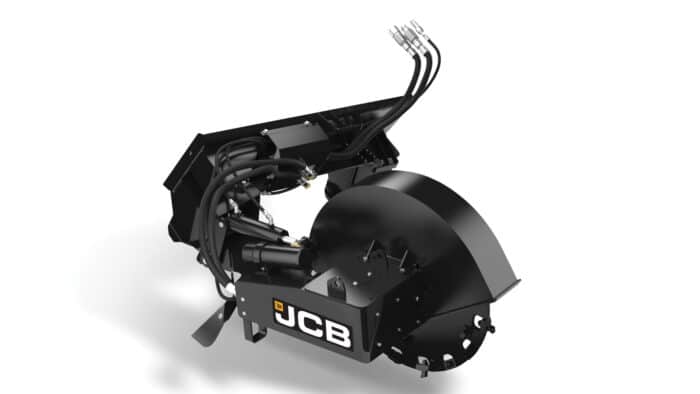
Unlike some attachments, stump grinders rarely fail without warning. Instead, problems often show up as slower cutting speeds, increased vibration or inconsistent results. Recognizing and addressing these early maintenance indicators is key to avoiding unnecessary downtime and keeping jobs on schedule.
The following habits can help crews stay ahead of wear and keep stump grinders working as they should.
1. Make Daily Inspections Part of the Routine
A quick walkaround at the start of the day is one of the easiest ways to avoid problems later on. It doesn’t take long, but it helps catch issues before they begin affecting performance.
Start with a visual check of the attachment. Look over the teeth, hydraulic hoses, fittings and mounting points, and watch for leaks, loose hardware or debris buildup that could interfere with operation.
Pay close attention to fasteners. The constant vibration that comes with stump grinding can cause bolts and hardware to back out over time, turning a small issue into a larger one if it goes unnoticed.
If the attachment uses belts, check them as well. Look for proper tension, along with any signs of wear or damage. A loose or worn belt can reduce power transfer and create excess heat, both of which tend to show up later as reduced performance.
Once the machine is running, pay attention to how it responds. If something feels different from the previous day, it is usually worth stopping to take a closer look. Catching those early changes is what keeps small fixes from turning into lost time.
2. Monitor and Manage Tooth Wear Proactively
Cutting teeth do most of the work on a stump grinder, so it does not take long for wear to show up. As teeth dull or become damaged, cutting slows down, more passes are needed and extra strain is placed on the rest of the attachment.
A quick visual inspection is the best place to start. Look for blunt edges, cracks or missing carbide tips.
Once the grinder is in operation, one of the easiest ways to gauge tooth condition is by watching what comes off the stump. Sharp teeth produce solid, consistent chips. As they wear down, material often turns finer or stringy, and the grinder may start to feel like it is working harder than it should.
Staying ahead of tooth wear keeps cutting performance consistent and helps avoid putting unnecessary stress on more expensive components. When teeth become dull or break, the grinder often starts cutting unevenly, forcing operators to make repeated passes to clean up the same area. That added effort not only slows productivity but also creates imbalance across the cutting wheel, increasing vibration and placing additional strain on bearings and hydraulic components over time.
Monitor tooth wear by keeping an eye on how long each stump takes to grind. When grind times start to creep up or more passes are needed to get a clean finish, it is often a sign that the teeth need attention. Taking a few minutes to stop and replace or rotate worn teeth can make a noticeable difference in performance and help prevent larger issues from developing later in the day.
3. Keep Hydraulics in Check Because Everything Runs Through Them
Hydraulics drive the cutting performance of a stump grinder, so even small issues can show up quickly on the job.
Each shift should start with a visual inspection. Look for worn fittings, leaks or cracking. Keep hydraulic couplers clean as well, since dirt and debris can easily enter the system during hookup and lead to contamination.
In operation, hydraulic issues tend to show up as reduced responsiveness or a loss of cutting power. The cutting wheel may slow more than expected under load, or it may take longer to work through material that would normally cut clean. In some cases, the attachment may feel less consistent from one pass to the next.
What starts as a minor drop in performance can quickly turn into a larger issue if the system is pushed too long without attention. The attachment might begin running hotter as it works harder to compensate. That added heat not only reduces efficiency but also accelerates wear on seals, hoses and internal components.
4. Keep It Clean to Avoid Hidden Wear
Stump grinding produces a constant flow of chips, dust and debris, and it does not take long for that material to build up around moving parts.
A visual check after operation will often reveal where debris is collecting. Pay attention to tight spaces around the cutting wheel, housings and moving components where material tends to pack in.
If that buildup is left in place, it can trap moisture, restrict movement and make it harder to spot wear or damage. Over time, it can also contribute to imbalance, especially if debris hardens or accumulates unevenly.
When buildup occurs, remove it safely. Always shut down the machine, relieve hydraulic pressure and allow all components to come to a complete stop before cleaning. Use tools like a brush, scraper or compressed air to clear packed debris instead of reaching into tight areas by hand. Avoid excessive water around bearings and hydraulic components, since moisture can lead to corrosion and premature wear.
In the field, buildup shows up as increased vibration or reduced smoothness during operation.
At the end of a job, always give the attachment a thorough cleaning. It is also a good time to handle basic post-use care, such as greasing all lubrication points. Applying a high-quality SAE multipurpose grease daily, or every eight hours of operation, helps protect bearings and pivot points while pushing out contaminants.
5. Listen to the Machine and Adjust Accordingly
Some of the most useful maintenance signals come from how the attachment feels and responds during operation. Paying attention to those signals and adjusting accordingly can go a long way in preventing unnecessary wear.
Vibration is often the first thing to notice. A change in how the machine feels, especially during side-to-side sweeping, can point to uneven tooth wear, imbalance or developing issues with bearings or mounting points. It is easy to work through at first, but ignoring it allows stress to carry through to the rest of the attachment.
Sound is another indicator. Changes under load, or anything that seems inconsistent compared to normal operation, can signal that something is not working as it should.
Cut quality also provides feedback. If the grinder starts leaving an uneven surface or requires more effort to achieve the same result, it is usually a sign that something has changed, whether it is tooth wear, hydraulic performance or buildup affecting the cutting path.
These signals tend to show up together. An operator may feel increased vibration, notice a rougher cut or hear the machine working harder under load. It is easy to keep pushing through, but that often adds more stress to the attachment. Taking a moment to recognize those changes and respond, whether that means adjusting operation or stopping to inspect, can prevent a small issue from turning into a larger one.
Cole Blackwell is an attachment sales manager at JCB North America.


Comments are closed here.