
Safety and Performance Best Practices for Air Compressors on Today’s Jobsite
Construction jobsites are demanding environments, and the machines operating within them must perform reliably under pressure. From high ambient temperatures and dusty conditions to electrical and sound hazards, operators and fleet managers face a range of challenges when running their equipment, including air compressors.
Whether diesel or electric, compressors are mission‑critical assets. Keeping them operating safely, efficiently, and within manufacturer and regulatory requirements is not only a matter of productivity, but also of protecting all individuals on the jobsite. Understanding how environmental conditions, electrical systems, sound exposure, personal protective equipment (PPE), maintenance routines and workplace culture all intersect is essential for modern construction operations.
Managing High‑Heat Environments
High ambient temperatures are one of the most common threats to compressor performance, especially as the summer construction season heats up.
Every machine is designed with a maximum rated operating temperature and exceeding that limit can have immediate consequences. For example, a machine rated for operation up to 115°F (46°C) ambient temperature may shut down when that threshold is crossed. While shutdowns are a protective feature, they can delay work and disrupt construction schedules if operators are unprepared.
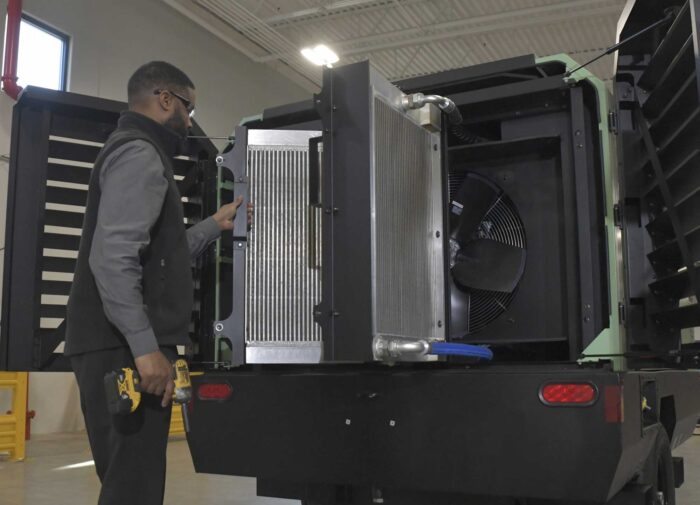
Heat also compounds other environmental challenges, particularly in dusty or dirty conditions. Regular cleaning of coolers is essential to maintaining proper operating temperatures and helping prevent avoidable shutdowns.
One common misconception is that opening access doors or canopies during hot conditions improves cooling. In reality, compressors are engineered as closed systems with controlled airflow paths. Opening doors disrupts that airflow, reducing cooling efficiency and increasing internal temperatures. Even when it feels counterintuitive, keeping doors and canopies closed during operation is critical for proper thermal management.
Electrical Safety and Installation Precautions
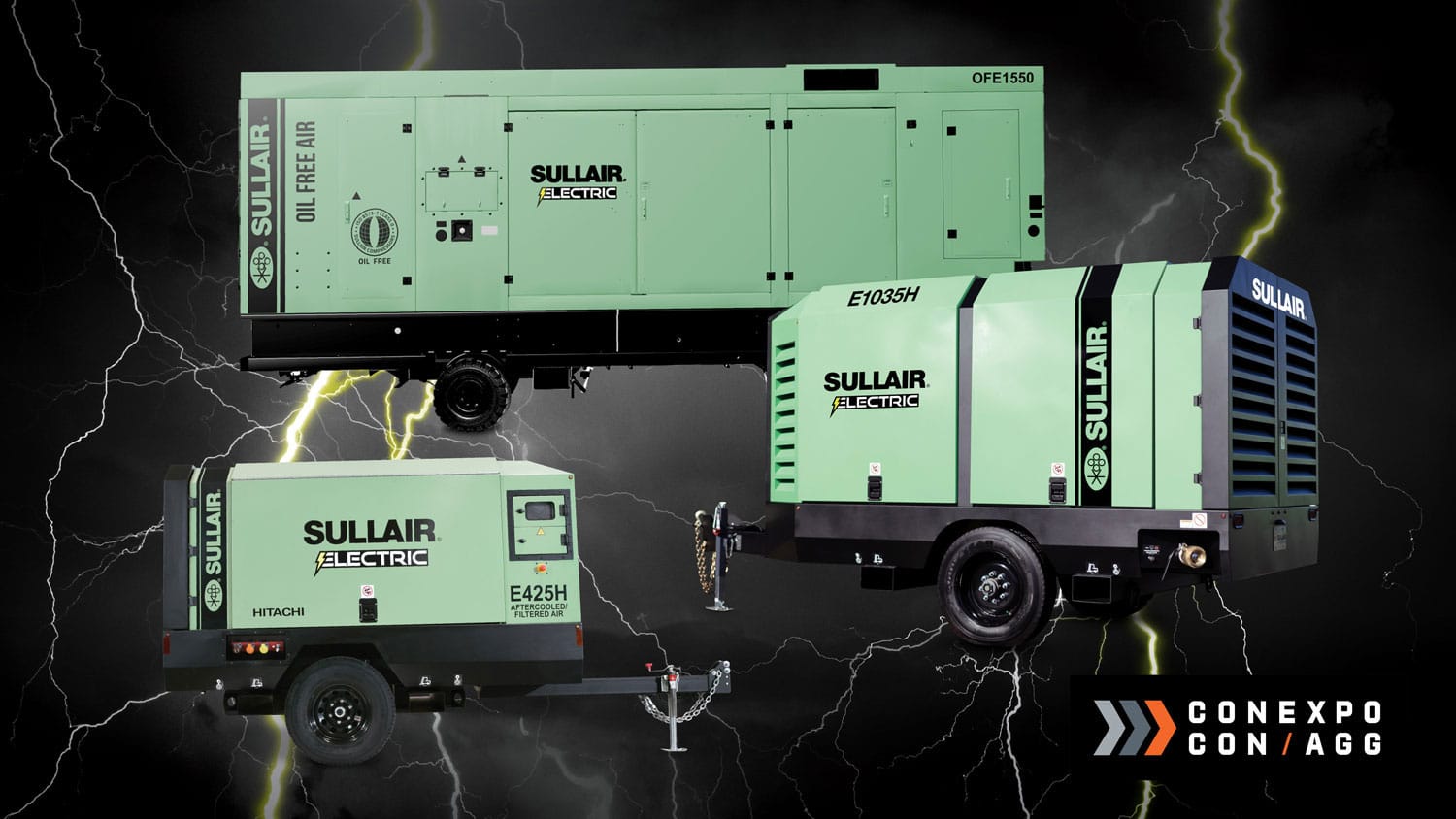
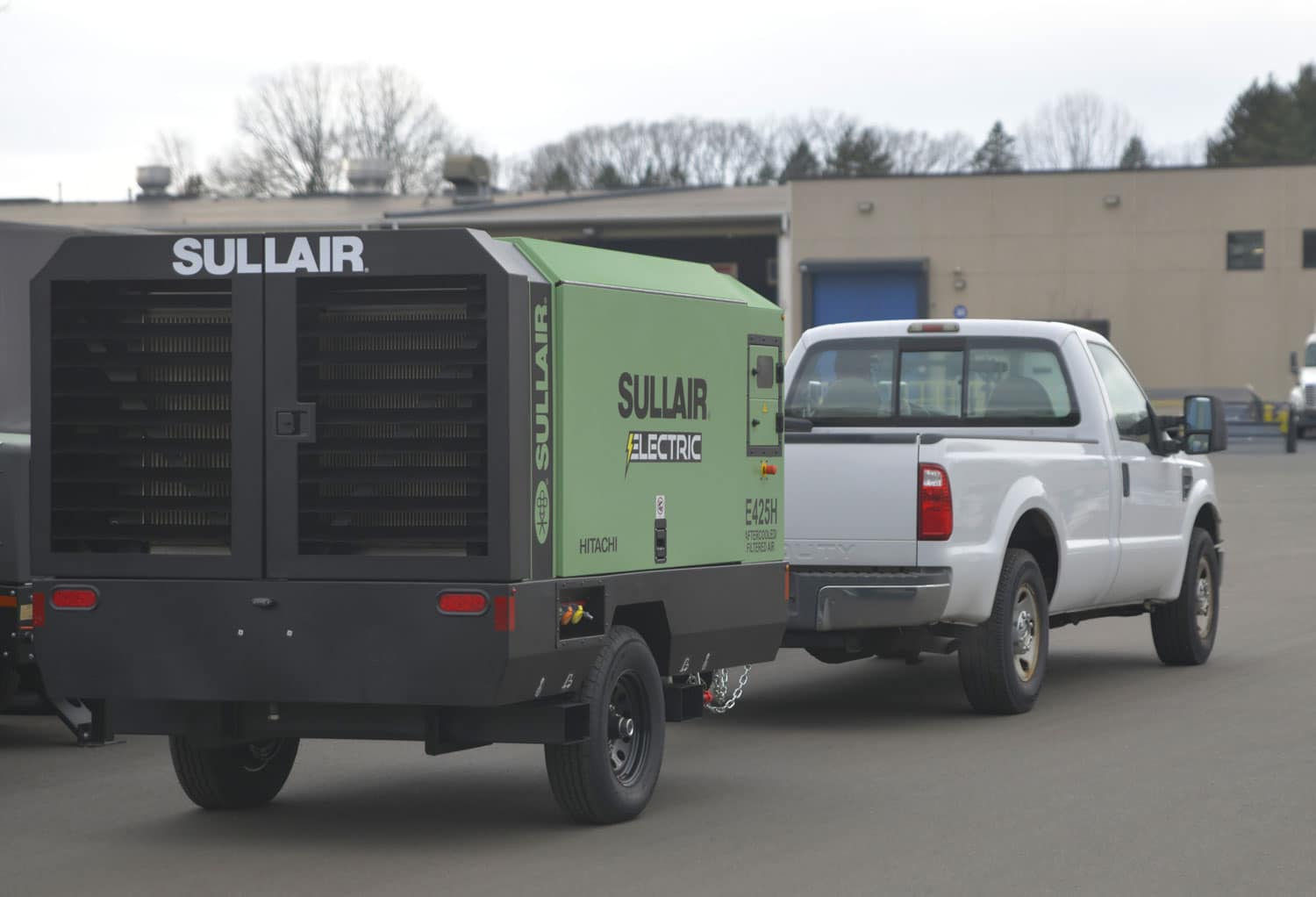
With changing environmental and jobsite needs, electric portable air compressors are becoming more common in construction applications. Users are seeking alternative solutions due to increasing fuel cost. Also, avoiding the need to refuel the compressor and providing the option to work indoors are appealing features that may warrant the need to procure temporary electric power at the worksite.
As the use of electric compressors becomes more widespread, electrical safety has moved to the forefront of operational best practices. The foundation of safe electrical operation begins with strict adherence to local, state, and national electrical codes when making a connection to an electrical power source.
Electrical connections must always be made by qualified technicians who understand the specific requirements of construction equipment. Before connecting an electric compressor, it is essential to verify voltage, current, frequency, phase, and grounding specifications. Incorrect connections can damage equipment or create serious safety hazards.
Cable management is another consideration, particularly when electric compressors are used alongside other construction equipment. Power cables must be routed deliberately to avoid being driven over by heavy machinery and clearly marked to prevent trip and fall hazards. Thoughtful layout planning reduces risk and protects both personnel and equipment.
Lockout/tagout (LOTO) procedures are a non‑negotiable part of working with electrical equipment. Electric compressors typically house electrical components inside a protective enclosure. When servicing equipment or accessing that enclosure, power must be isolated using a disconnect switch.
Sound Level Awareness and Management
Noise is an unavoidable part of many construction operations, but unmanaged sound exposure poses long‑term health risks. OSHA regulations govern allowable sound levels on jobsites, and diesel compressors are also subject to EPA noise standards (76 dBA or less average sound levels at seven meters).
Meeting regulatory requirements is only the starting point. Employers should ensure that appropriate hearing protection is available and worn whenever sound levels approach or exceed safe thresholds.
Operators should also pay close attention to changes in sound. A compressor that “doesn’t sound right” is often signaling a mechanical issue. Unusual noises may indicate wear, airflow restriction, or component failure. Promptly reporting abnormal sounds to a qualified technician can prevent minor issues from escalating into major repairs or safety incidents.
Appropriate Personal Protective Equipment for Air Compressors
PPE remains one of the most visible – and effective – layers of jobsite safety. Operators should wear standard protective gear such as safety glasses, steel‑toe footwear, gloves, hearing protection, and high‑visibility vests to address the most common hazards found around compressors.
For electrical work related to connecting a temporary power source to electric portable compressors, additional levels of PPE may be required. Technicians connecting or disconnecting power sources may need arc flash protection, including specialized gloves, face shields, or clothing rated for electrical hazards.
Building Maintenance Discipline: Daily, Weekly, and Monthly Checks
Routine inspections are one of the most powerful tools for preventing downtime and incidents. Structured daily, weekly, and monthly checks help catch issues early – before they affect safety or productivity.
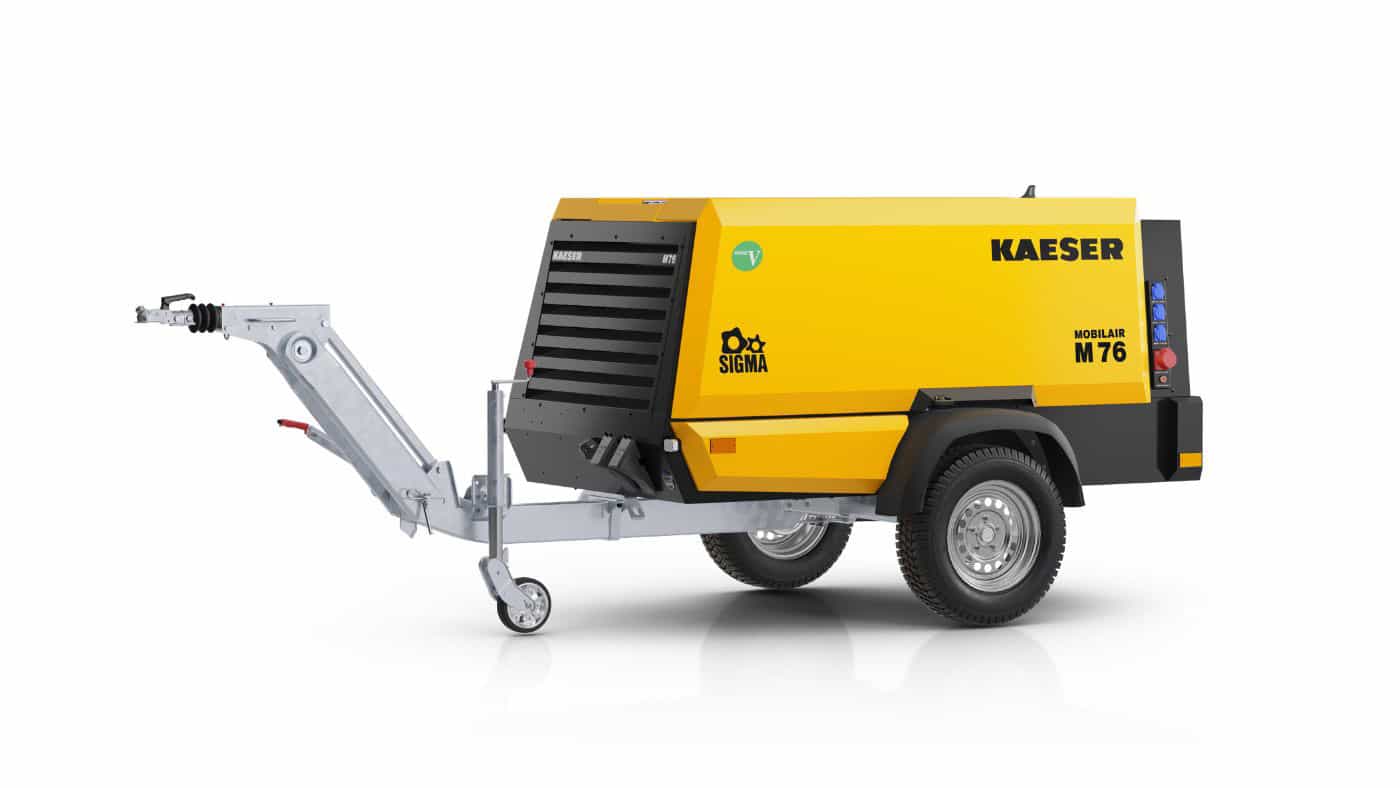
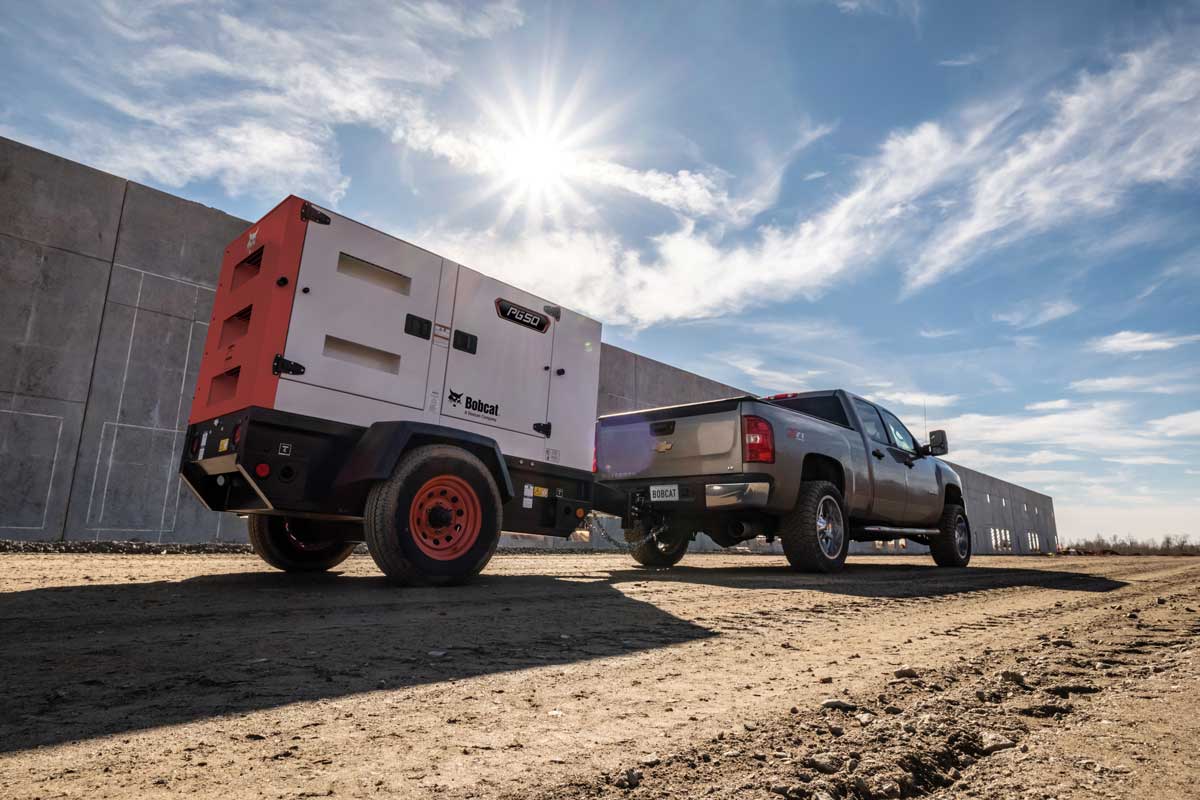
Daily checks are important not only for fleet owners, but also for renters, to maintain safe conditions and avoid fees and downtime. Daily inspections should include checking fluid levels, scanning for leaks, confirming guards are in place, and ensuring control gauges are functioning correctly. For towable air compressors, operators should also check tire pressure, brakes, lights, tow bars, and hoses for damage. Emergency stop systems must be verified as operational, consumables like air filters reviewed, and fasteners inspected for signs of loosening or vibration‑related wear.
Weekly checks expand on these basics. Enclosure panels and door latches should be inspected for jobsite damage, and lifting points verified. For diesel units, battery condition should be reviewed.
Monthly inspections focus more on long‑term performance and preventative maintenance. Air‑oil separators should be evaluated, fluid samples analyzed for quality, coolers examined for clogs and dirt, and engine oil condition checked where applicable. Telematics data, increasingly available on modern compressors, can provide insight into operating trends, helping identify patterns that signal maintenance needs before failures occur.
For additional information, The Association of Equipment Manufacturers (AEM) has a Portable Air Compressor Safety Manual that outlines safety procedures. Always refer to your compressor owner’s manual for specific details and instructions.
Instilling a “Safety First” Culture
Establishing good maintenance habits and a proactive schedule as a fleet owner or renter is crucial for jobsite safety. That said, equipment features, regulations, and checklists only go so far without the right mindset behind them. A strong safety culture ties everything together.
Identifying hazards before they cause harm is a shared responsibility, and operators are often the first line of defense. They are closest to the equipment and most likely to notice changes in performance, sound, or behavior. Keeping eyes and ears open, documenting concerns, and reporting unsafe conditions should be encouraged and modeled by management.
When supported by reliable equipment and a “safety first” culture, the best practices outlined above help ensure that every shift ends the same way it begins: with workers safe and healthy, and equipment ready for the next job.
Jerel Cole is the global portable product manager at Hitachi Global Air Power.


Comments are closed here.