
Six Trends Reshaping Access Equipment in 2026
Over the last several years, the access equipment industry has undergone some significant changes: Labor shortages, urbanization, mega-project construction and evolving jobsite demands have reshaped how contractors and rental companies think about equipment selection, fleet management and productivity.
What’s notable in 2026 is that many of the industry’s biggest trends are no longer theoretical.
Contractors are actively changing how they work, and rental fleets are adapting in response. From data center construction and compact equipment growth to connectivity, automation and uptime management, here are six trends shaping the future of access equipment this year.
1. Contractors Are Prioritizing Productivity
Economic pressures continue to influence construction activity, but demand for access equipment remains strong — particularly around data centers, energy infrastructure, manufacturing reshoring projects and large entertainment venues.
What’s changing is how contractors evaluate productivity on the jobsite. With labor costs rising and schedules tightening, crews are under pressure to complete more work with fewer interruptions. That’s increasing demand for equipment that improves workflow efficiency, reduces downtime and minimizes unnecessary movement around the site.
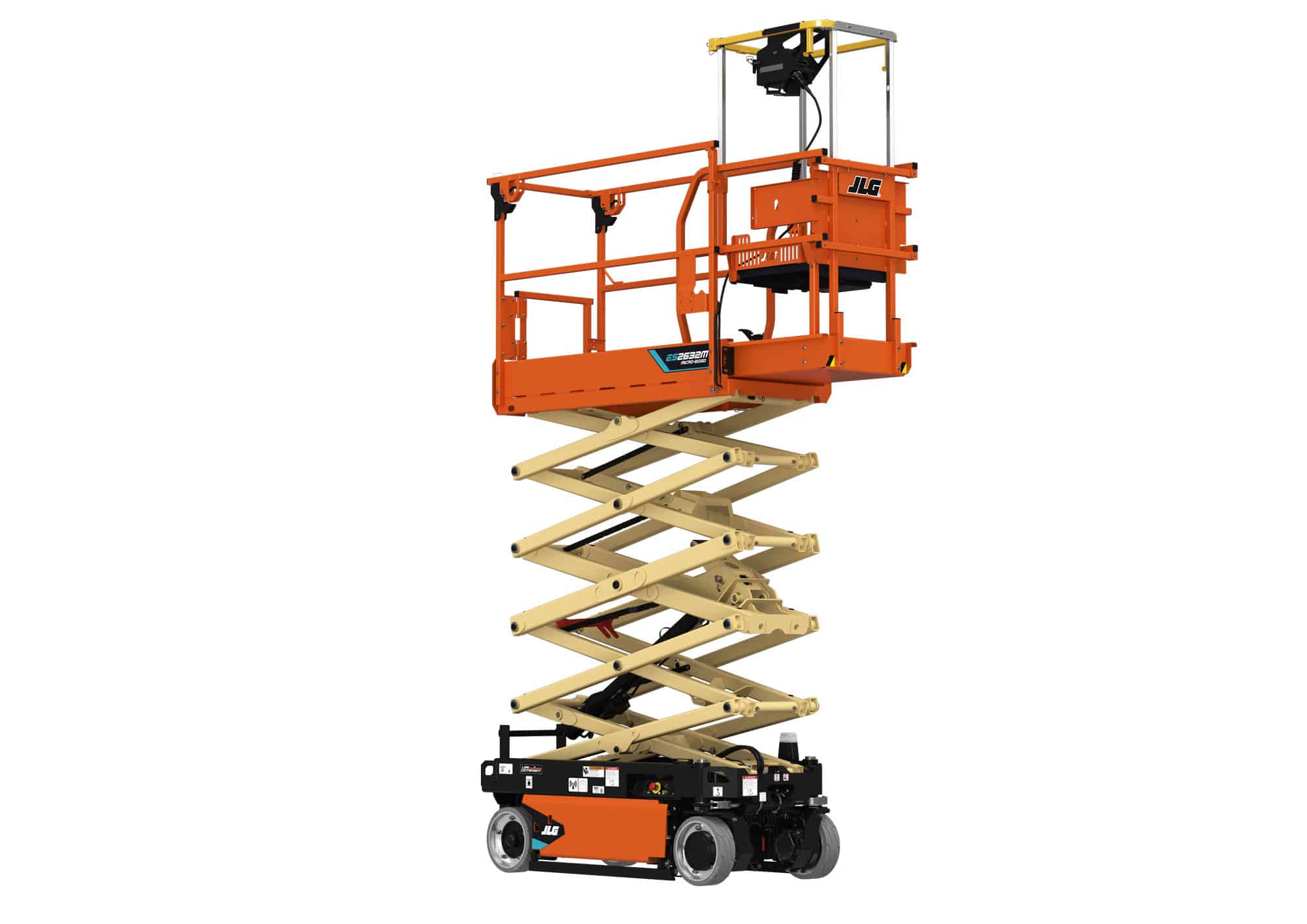
Higher-capacity lifts, for example, are becoming more valuable because they allow crews to bring more tools and materials to height in fewer trips. Machines capable of repositioning efficiently while elevated are also helping contractors reduce downtime between tasks.
At the same time, fleet buyers are becoming more strategic. Equipment decisions are increasingly tied to uptime, versatility and how efficiently a machine supports the overall pace of the project.
The industry’s focus has shifted from simply getting equipment to the jobsite to maximizing how productively that equipment performs once it arrives. It is important to note that these gains are secondary to safety; jobsite safety is the primary concern.
2. Specialized Equipment Demand Continues to Grow
One of the most significant trends in 2026 is the growing demand for specialized equipment designed around specific jobsite challenges.
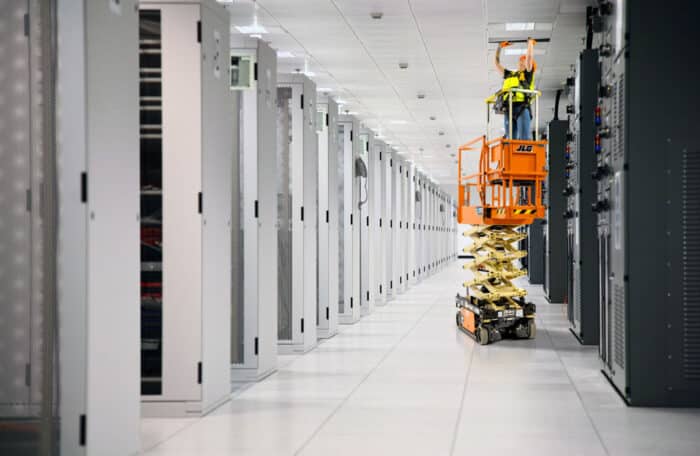
Urbanization, indoor construction and tighter operating environments are increasing demand for smaller, more compact access equipment as contractors are trying to do more work in less space. On congested urban projects and dense indoor applications like data centers, traditional equipment often can’t maneuver efficiently. That’s driving interest in machines with narrow footprints, tighter turning radii and improved maneuverability.
At the same time, demand for larger and higher-capacity machines is also increasing. Labor shortages and schedule pressures are pushing contractors toward equipment capable of carrying more workers, tools and materials at one time. The goal is to reduce trips to height and improve workflow efficiency throughout the day.
These trends may seem opposite at first glance, but they’re really driven by the same thing: Specialization. Contractors increasingly want purpose-built equipment that solves a specific productivity challenge, whether that means fitting into a confined space or lifting heavier materials more efficiently. Rental fleets are evolving accordingly, with many companies placing greater emphasis on compact and application-focused machine categories.
3. Labor Shortages Are Driving Technology Adoption
Labor shortages remain one of the industry’s most significant long-term challenges, but the conversation has evolved. Today, the issue isn’t only finding workers; it’s making the best use of skilled labor once crews are on site. That’s changing how contractors think about workflow, equipment utilization and jobsite efficiency.
Many of the delays slowing projects down aren’t dramatic. They’re small interruptions repeated throughout the day: Retrieving materials, coordinating machine movement or troubleshooting equipment issues. As a result, contractors are increasingly investing in technologies that reduce those interruptions and help skilled workers stay focused on tasks that require their expertise. Connected equipment plays a major role in that shift.
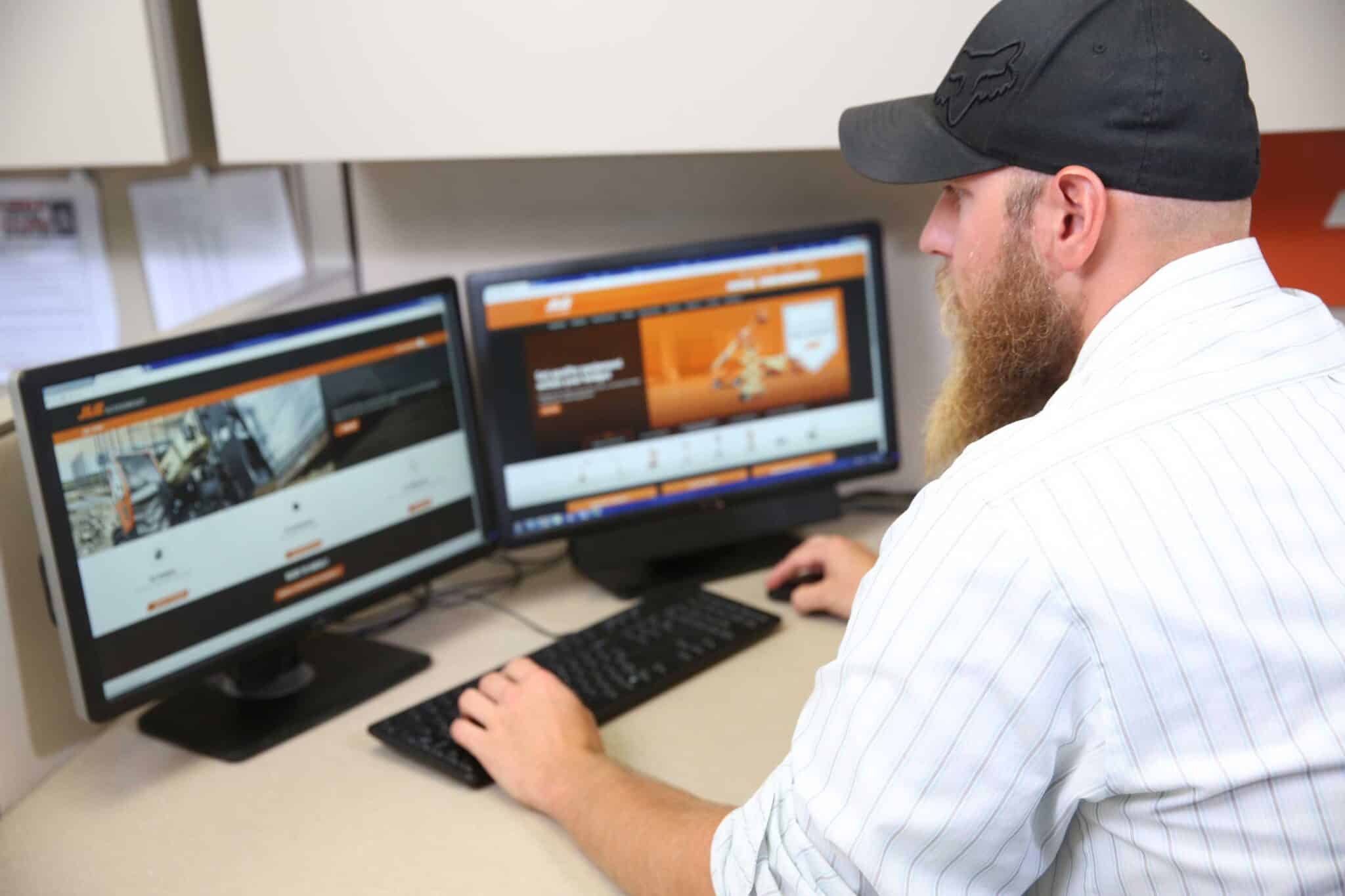
Remote diagnostics and telematics platforms now allow technicians to understand machine issues before leaving the shop, reducing unnecessary service calls and improving uptime. Instead of spending valuable time diagnosing problems in the field, technicians can arrive prepared with the information and parts needed to complete repairs more efficiently.
The same labor-efficiency mindset is also influencing equipment selection. Contractors are looking for machines that streamline workflow, reduce repositioning and minimize non-productive tasks throughout the day. In many ways, the labor shortage is accelerating the industry’s broader shift toward smarter, more connected and more efficient equipment solutions.
4. Connectivity Has Become a Core Fleet Management Tool
A few years ago, telematics and connectivity were often viewed as value-added features. In 2026, they’ve become essential operational tools for many fleets.
Rental companies increasingly want real-time visibility into machine health, utilization, diagnostics and maintenance status. They want to know where the equipment is, whether it’s being used and what’s wrong before sending a technician to the site. That’s why connected fleet platforms continue gaining traction across the industry.
Today’s systems can help rental companies monitor maintenance needs, improve troubleshooting efficiency and reduce downtime through over-the-air updates and advanced diagnostics.
For contractors, connectivity is becoming equally valuable. As projects grow larger and more schedule-driven, downtime becomes more disruptive. More efficient troubleshooting and better machine visibility help crews stay productive and reduce delays. Connectivity is also contributing to a broader shift toward digitized jobsites, where equipment, workflows and project planning are becoming increasingly integrated.
In the years ahead, connected systems will likely play an even larger role in coordinating equipment utilization, maintenance planning and overall project efficiency.
5. Safety Technology Is Becoming More Intelligent
Safety has always been foundational to the access industry, but the way safety technologies are being integrated into equipment continues to evolve.
Historically, many safety processes relied heavily on operator awareness and external jobsite coordination. Today, machines themselves are becoming more aware of their surroundings through technologies like obstacle detection, collision avoidance systems, load sensing and exclusion zones.
These systems are particularly valuable in highly congested work environments like data centers, manufacturing facilities and urban projects where multiple trades and machines operate in close proximity. Enhanced operator-awareness technologies help improve confidence in tight environments while also supporting productivity. In some applications, collision avoidance and detection systems may provide additional layers of machine awareness.
At the same time, evolving industry standards and regulatory requirements continue influencing machine design, particularly around stability systems, load management and operator controls.
The broader trend is clear: Safety is becoming more integrated, proactive and intelligent within the equipment itself.
6. Automation Is Becoming Practical, Not Theoretical
The construction industry continues to talk about autonomy, robotics and AI, but in 2026, the most meaningful progress is happening through practical applications rather than fully autonomous machines.
What we’re seeing today are “moments of autonomy.” These advancements are technologies that improve workflow, safety and efficiency without removing operators from the process. That includes remote diagnostics, obstacle detection, semi-autonomous machine functions and robotic systems that support repetitive tasks or material movement. Data center construction is accelerating many of these developments because those projects demand extreme efficiency, tight coordination and minimal downtime.
Robotics and machine orchestration are beginning to play a larger role in helping crews maintain workflow continuity and reduce interruptions in repetitive applications. Importantly, the future jobsite isn’t about replacing workers. Skilled labor remains incredibly valuable across the construction industry. Instead, automation is increasingly focused on reducing friction in the work itself — minimizing interruptions, improving coordination and helping skilled workers spend more time applying their expertise.
The future of construction equipment will likely be defined less by individual machines and more by how equipment, workers and connected systems operate together.
Brent Miller is JLG’s vice president of sales administration, marketing and Latin America. Learn more here.



Comments are closed here.