
Learn How to Make the Most of Your Compact Tool Carrier Investment
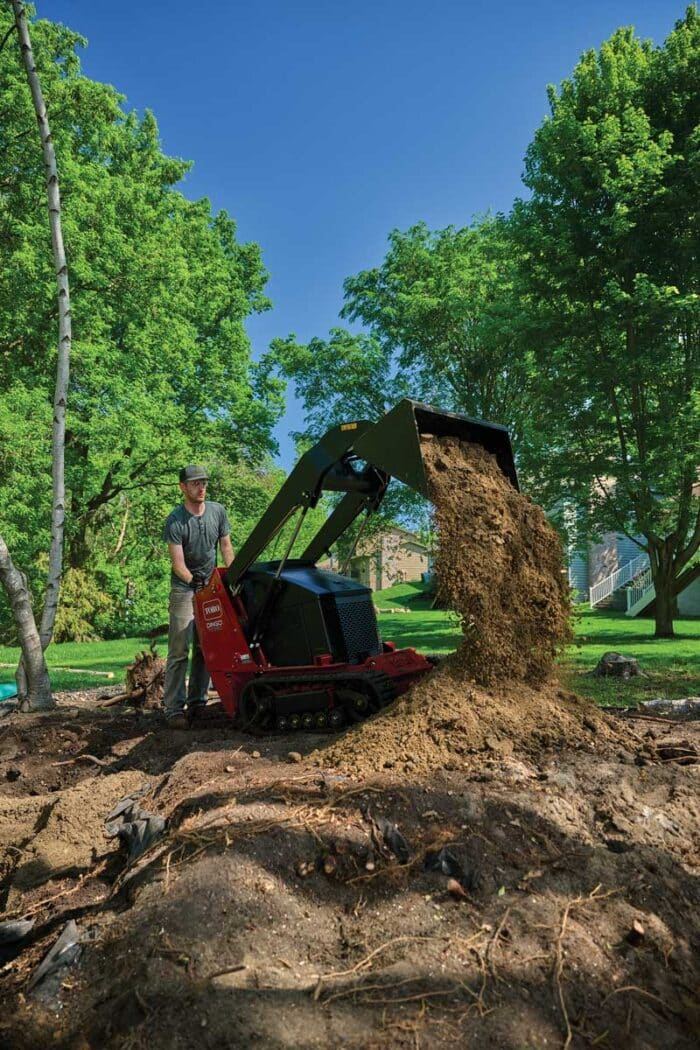
Compact tool carriers. Mini skid steers. Compact utility loaders. Mini loaders. While there may be some debate on the name, we can all agree that these small machines are built to bring some serious power.
“Compact tool carriers are designed to deliver big-machine capability in a much smaller footprint,” says Tim Phelps, director of sales and marketing at Barreto. “They can easily navigate tight jobsites, gates, backyards and confined work areas while creating less ground disturbance than larger equipment. Compact tool carriers are the go-to solution for landscaping, construction, tree care, property maintenance, rental fleets and many more. With one machine performing multiple jobs, operators can save time, reduce labor costs and maximize productivity.”
With all these benefits, it’s no surprise the compact tool carrier (CTC) market is growing. If you’ve been thinking about adding one to your fleet, read on for buying tips, operational advice and how to keep a CTC in tip-top shape.
Pick One
When looking at a CTC, the first step is to identify what applications you plan to take on. Knowing your typical jobsites, the materials you need to move and the attachments you plan to use will help guide you and your dealer in selecting the right machine.
“Contractors should consider the machine configuration that best suits their crew — whether a classic walk-behind design or a stand-on model,” says Kaitlyn Ingli, product marketing manager at Toro. “If crew members are newer to equipment, selecting a model with simple, intuitive controls can be beneficial in combating the learning curve that comes with operating machinery. If turf disturbance is a concern, manufacturers offer wheeled and tracked options across various classes to balance traction and ground protection. Next, contractors should evaluate performance metrics based on daily tasks. These machines come in a wide range of rated operating capacities, with larger models rivaling the power of traditional skid steers. If their work requires dumping materials over the side of a truck or dumpster, take hinge pin lift heights into consideration as well.”
Speaking of lifting, Kegan Strobel, Vermeer product specialist, explains that if loading trucks is a regular part of the work, buyers should consider a vertical-lift machine. This path style provides optimal loading and material handling at height, while radial-lift machines excel at digging and loading tasks at ground level.
Strobel also urges buyers to examine the machine’s controls and operator station as they both significantly impact productivity. He says, if possible, buyers should test drive a CTC for an extended period before purchasing as “a quick ride around a dealer lot does not indicate what an eight-hour day on the machine will feel like.” Strobel adds that operators should look for a CTC with a cushioned chariot-style, ride-on platform and an integrated operator presence system. An intuitive joystick offers precise control of the machine.
“Operator comfort has become a genuine purchasing criterion, not an afterthought,” he says. “Stand-on machines see long hours, and contractors increasingly evaluate platform cushioning, control feel and vibration when comparing units. A less fatigued operator is a more productive operator, and buyers are treating comfort as a performance spec.”
Another key consideration is whether the CTC provides enough hydraulic flow to power the attachments required for the job. This compatibility not only enhances the machine’s versatility for current tasks but also enables operators to pursue future work.
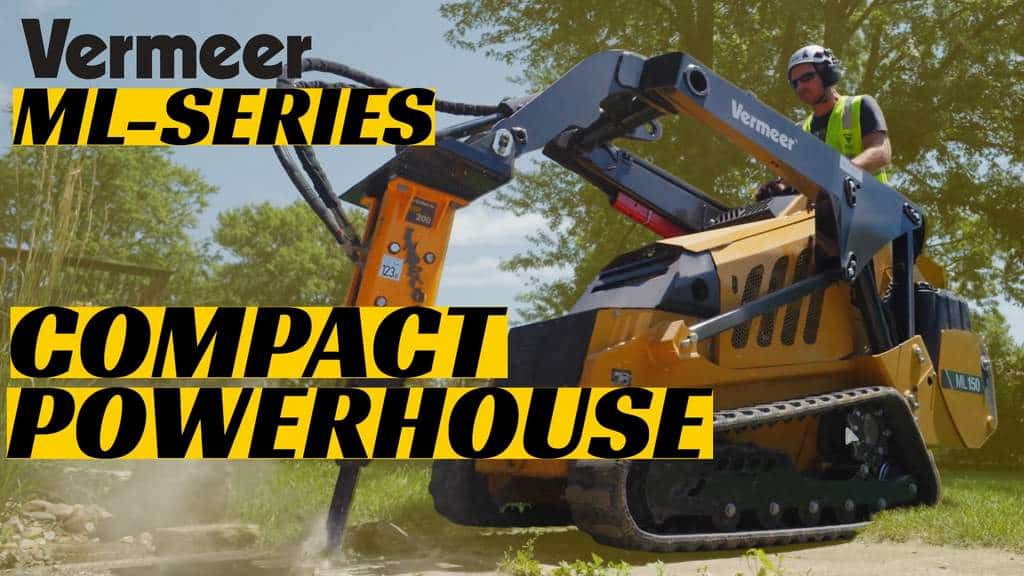
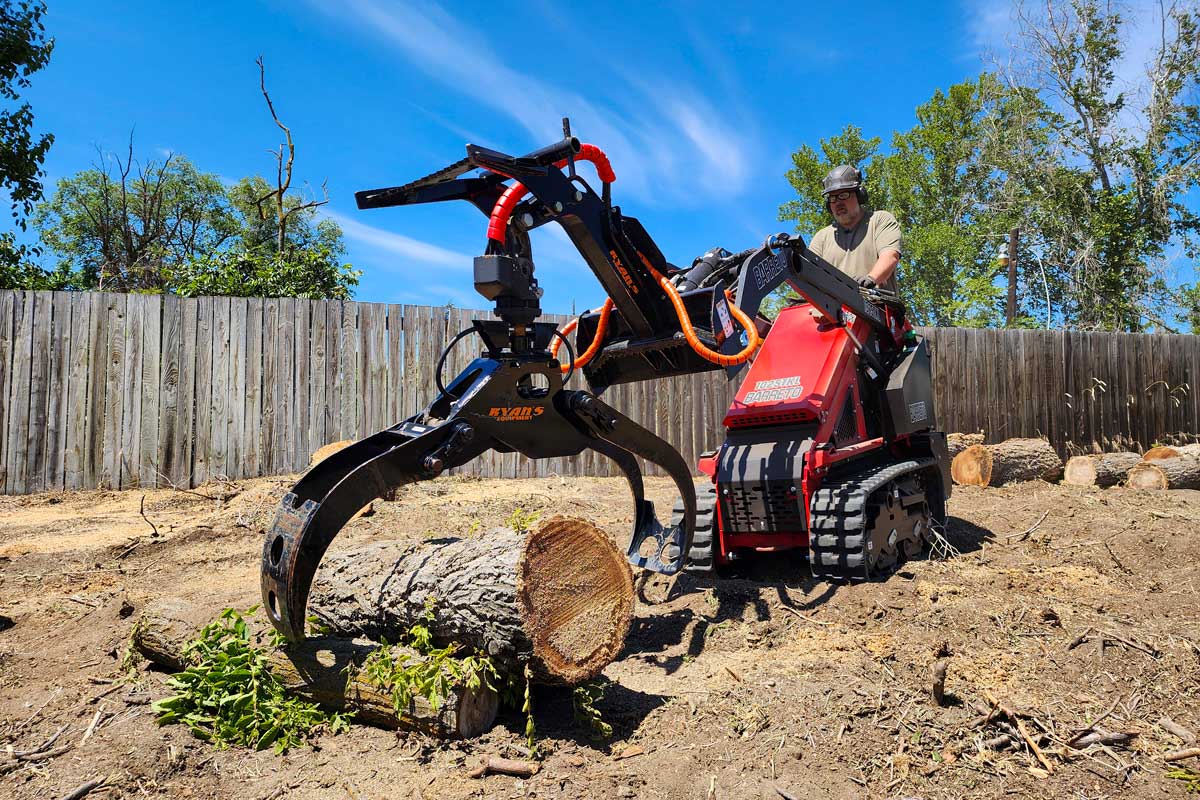
“As contractors grow their businesses, expanding their attachment lineup allows them to take on more work without investing in additional equipment,” says Chapman Hancock, manager of product management at Ditch Witch. “The bucket attachment remains the bread and butter of attachments for many crews. It allows you to lift and move large piles of soil, brush, debris and other materials. Forks, grapple buckets, tree grapples and trenchers are also popular because they allow one machine to perform a wide range of applications.”
Gear Up
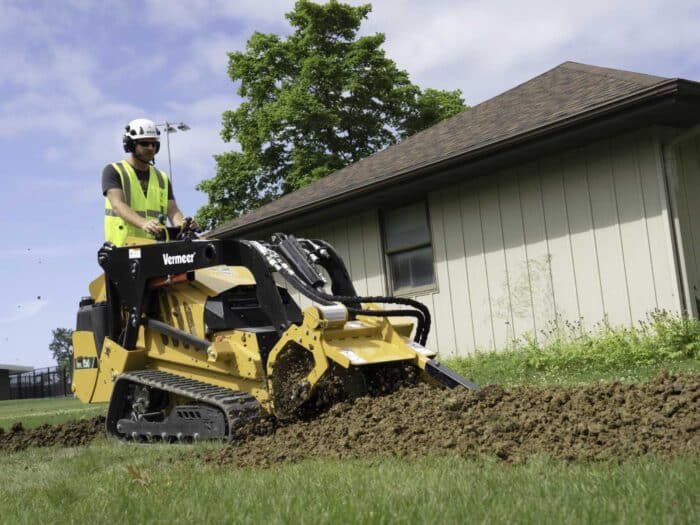
Before hopping on your new machine, it’s important to take the time to become familiar with it. Strobel encourages new buyers to have their dealers walk through the CTC’s controls, safety systems and service points at delivery. Read — and follow — the operator’s manual and keep it with the machine where the crew can access it. Prior to starting work, perform a quick walk-around inspection of the machine. This includes checking fluid levels and filters, plus inspecting attachments and securing connections. Be sure to stick within the machine’s ROC, as well as keep loads low when traveling. Always match the CTC with the appropriate attachment.
“Using the proper attachment for each job and avoiding overloading the machine will improve performance, reduce wear and extend equipment life,” says Phelps. “Understanding the machine’s capabilities and limitations will improve productivity while helping prevent unnecessary wear. Starting with proper operating habits from day one is one of the best ways to protect your investment.”
Another must-do practice before operating involves walking the jobsite and taking note of any access points, slopes and obstacles the machine may encounter while working. Be aware of any crew members in the area and make sure to keep bystanders out. If digging or trenching is going to be done, you must contact 811 so any underground utilities are accurately located and marked. And don’t forget the proper PPE, such as eye and hearing protection.
“Operators should never wear jewelry or loose-fitting clothing that could become catch points, and long hair must be confined,” says Strobel. “When working near traffic, high-visibility clothing is mandatory. Review attachment manuals and decals to check whether specific attachments require additional PPE.”
Take Care
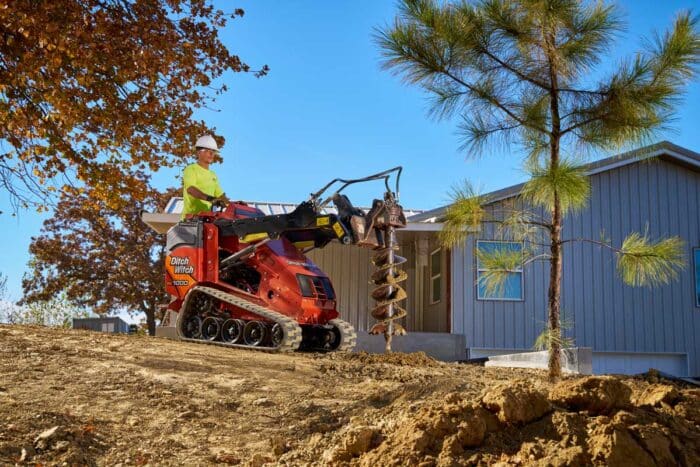
Aside from proper operation, maintenance is key to keeping a CTC in top working order. Hancock explains that successful maintenance starts with consistency, so performing daily inspections, keeping up with scheduled service and addressing signs of wear early on all help maximize uptime and reduce unexpected repairs. Incorporating fleet management platforms is also a way to stay one step ahead of machine health.
“Operators should routinely inspect tracks, hydraulic hoses, fluid levels and wear components while following the manufacturer’s recommended maintenance schedule,” he says. “Many contractors also use onboard diagnostics and telematics to monitor machine health and identify maintenance needs earlier than they could through visual inspections alone. Combined with support from a knowledgeable dealer, a proactive maintenance program can help maximize equipment life, reduce downtime and improve long-term ownership costs.”
Hancock adds that it’s important to keep the machine clean. While washing away dirt and debris gives the CTC a shiny appearance, it also makes it easier to identify leaks, damaged hoses or excessive wear before they become more significant repairs.
Storage is another consideration. When your CTC is not in use, it’s essential to keep it protected. While each machine will have specific instructions on how best to store it, here are some things Ingli advises Toro customers to do:
If you’re planning to store your CTC for an extended period of time, Strobel points out that owners should grease all points and address any fluid or filter service that is due. You should also pay special attention to the battery — particularly in colder climates. He says, “Clean terminals and proper charging practices prevent unexpected downtime when the machine goes back to work.”
Looking Ahead
It’s an exciting time for the CTC market and things aren’t going to slow down any time soon. So, what’s next? Hancock sees continued manufacturer investment in technologies like telematics and onboard diagnostics that simplify equipment ownership while helping maximize uptime. He also believes that attachment versatility, hydraulic performance and ease of maintenance will remain key differentiators contractors look at in their machine purchases.
Another trend to keep an eye on is electrification. Battery-powered machines are quickly evolving and gaining traction with contractors, especially in interior construction and demolition.
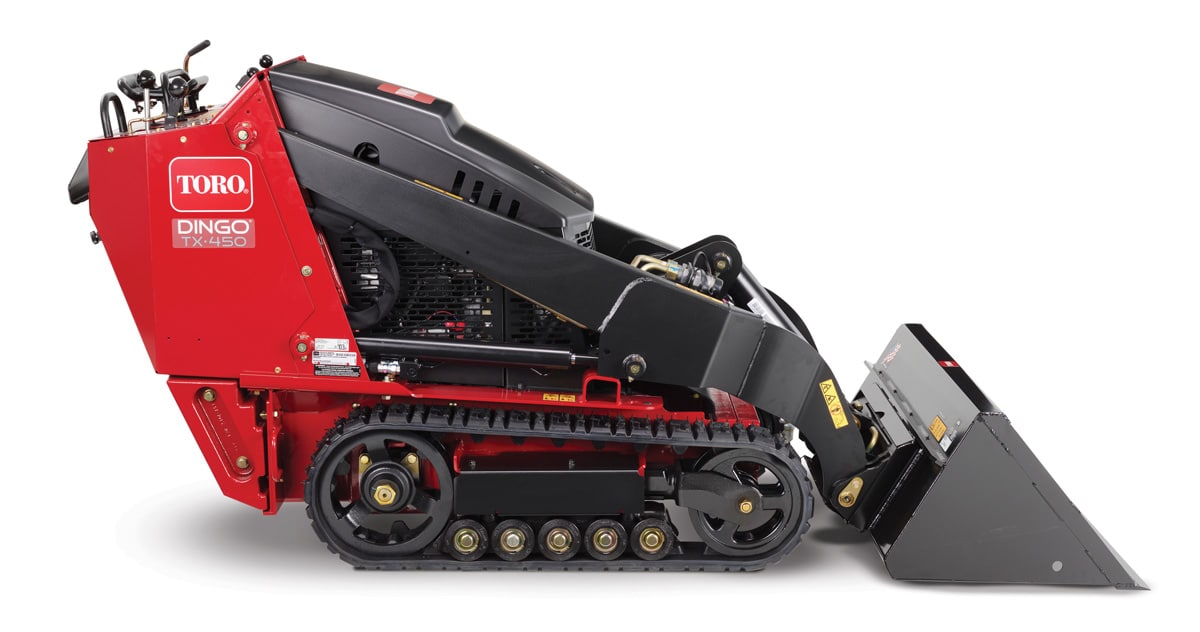
“This shift is driven by the numerous advantages battery-powered systems offer over traditional internal combustion engines,” says Ingli. “An interesting development we’ve noticed in terms of sales is an increase in interest from industrial Midwest cities. Metros like Detroit, Chicago and Philadelphia are increasingly repurposing old industrial spaces for modern uses such as condos, breweries and retail establishments. In these urban redevelopment projects, electric compact utility loaders, like the Toro eDingo series, are becoming essential tools.”


Comments are closed here.