
Storm Preparedness Is a Fleet Continuity Strategy: How Portable Power Keeps Contractors Operational When the Grid Goes Down
When severe weather disrupts a region, the immediate concern is often power loss. For contractors, municipalities and infrastructure crews, the larger challenge is maintaining operations when the systems supporting their work become unreliable.
According to portable power specialists at Bobcat Company, organizations may still approach storm preparedness as an emergency response exercise rather than a fleet continuity strategy. Machines may be fueled, operators available and customers waiting, yet productivity can stall if crews cannot power critical tools, charge batteries, illuminate jobsites or establish temporary staging areas.
Storms Don’t Create Weaknesses. They Expose Them.
Severe weather rarely creates operational vulnerabilities. More often, it reveals weaknesses already present in a fleet plan.
A contractor may have enough machines for recovery work but struggle because fuel logistics have not been considered. Portable power may be available, yet cables, maintenance supplies or deployment procedures may be missing. Crews may arrive ready to work only to find that limited lighting reduces productivity after daylight fades.
The contractors that recover fastest after a storm aren’t necessarily those with the most equipment. They’re the organizations that have already planned how power, lighting and essential fleet assets will be deployed when infrastructure becomes unavailable.
A useful planning exercise is determining whether operations could continue for 72 hours without utility power. This can reveal vulnerabilities involving fuel logistics, power distribution, communications and jobsite lighting that may not be obvious under normal conditions.
Portable Power Has Become Mobile Infrastructure
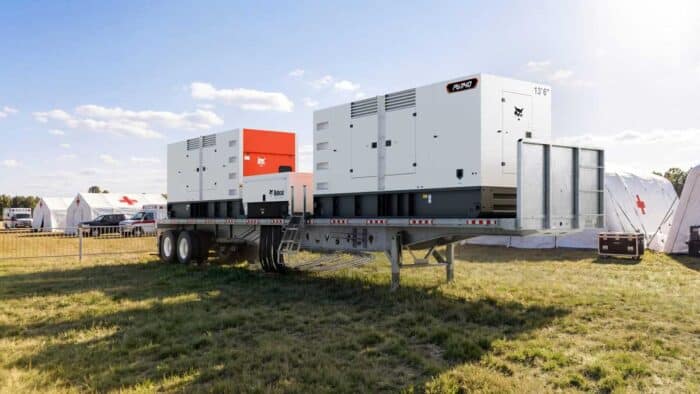
Generators were once viewed primarily as insurance policies that sat idle until an outage occurred. Today, their role is broader because construction operations increasingly depend on electronic tools, charging systems, communications technology and power-dependent equipment.
The ability to create reliable power wherever work is needed has become a strategic capability. During disaster recovery, emergency response and routine jobsite operations, portable power can bridge the gap between disruption and productivity.
After a storm, crews may need power for pumps, communications equipment, battery charging stations and temporary staging areas. Portable power can influence how quickly recovery begins and how efficiently it continues.
Portable generators should be viewed as operational infrastructure rather than emergency equipment. When fleets can establish reliable power anywhere, they gain the flexibility to continue serving customers and supporting recovery efforts even when traditional utilities are offline.
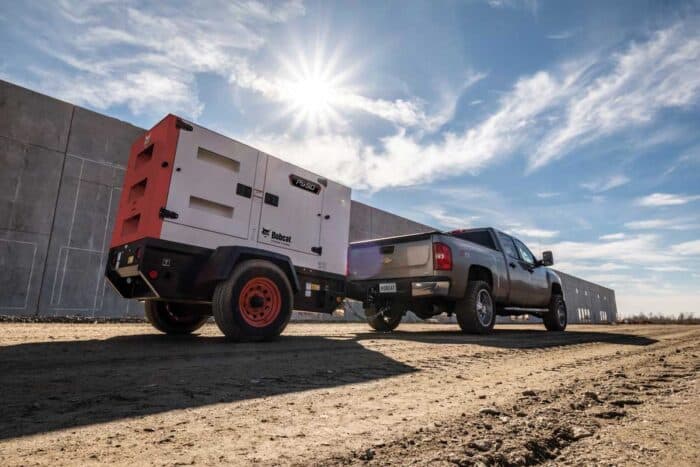
When selecting generators for fleet continuity planning, contractors should look beyond total power output. Runtime, fuel efficiency, deployment speed, serviceability and transportation requirements can be just as important as wattage. Equipment that can be deployed quickly and operated reliably may deliver more value than equipment with greater capacity but slower deployment.
The Hidden Productivity Value of Light Towers
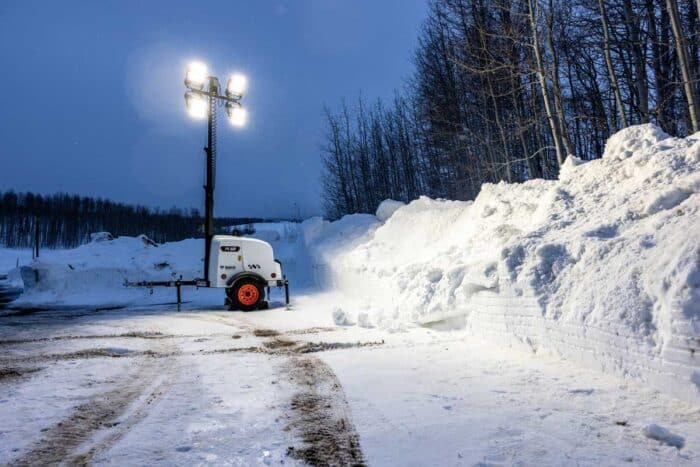
Portable light towers are typically discussed as safety equipment, and visibility remains critical. However, they also play an important role in storm recovery productivity.
After a major weather event, daylight becomes a constrained resource. Roads must be cleared, infrastructure assessed and temporary repairs started quickly. Recovery work is driven by urgency rather than traditional schedules, making every productive hour valuable.
Light towers expand operational capacity by allowing crews to continue working when darkness would otherwise slow or halt progress. For contractors facing compressed recovery timelines, extending safe working hours can have a greater impact than adding another machine because it helps keep the entire jobsite productive.
This shifts light towers from support accessories to fleet continuity assets. Improved visibility supports safety while helping crews use available labor effectively and keep critical recovery projects moving.
Building a Fleet Continuity Plan
Storm preparedness is not only a weather-related concern. It is a fleet management challenge. Contractors that recover fastest are rarely improvising in the field. They have already identified operational friction points and established the power, lighting and deployment strategies needed to address them.
From Bobcat Company’s perspective, portable generators and light towers are becoming less about emergency response and more about operational readiness. When traditional infrastructure is unavailable, the ability to create power, visibility and productivity anywhere can become one of the fleet’s most valuable capabilities.
Sponsored by:



Comments are closed here.