
Common Ground Alliance Publishes New Damage Reporting Data
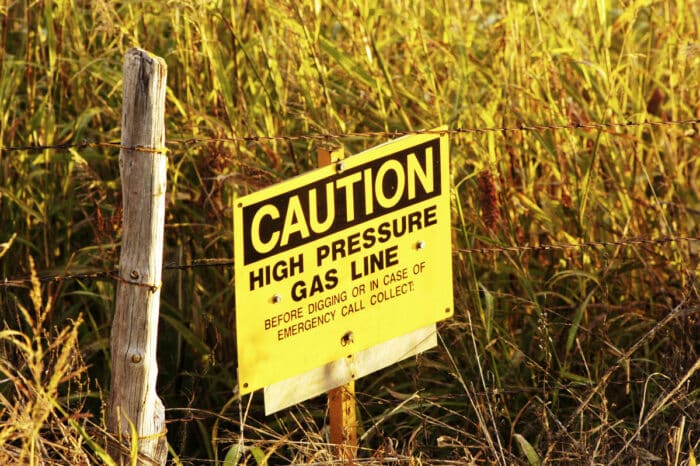
The Common Ground Alliance (CGA) has published a summary of its 2025 Damage Information Reporting Tool (DIRT) data, as well as a newly expanded and interactive Damage Prevention Dashboard.
The DIRT database is “most comprehensive accounting of damages to buried power, water, fiber, natural gas and other utility lines in the U.S. and Canada,” according to the company. The report summary shows that the CGA Index, measuring year over year buried utility damage trends, reached record high numbers in 2025.
“The 2025 DIRT Data Summary & Trends underscores a serious call to action we cannot afford to ignore,” says CGA President and CEO Sarah K. Magruder Lyle. “As damages to buried infrastructure continue to grow alongside construction activity, inadequate damage prevention policies are failing our communities and businesses.”
The summary analyzed more than 221,000 unique damage reports from 2025, and found that damages continued to rise in 2025 alongside construction activity levels. Lyle says the nonprofit is calling for increased measures revolving around both public and contractor safety going forward.
“To protect public safety and secure the critical utilities on which all Americans rely, the entire industry must commit to tangible, enforceable accountability across all stakeholders,” she adds. “This includes mandating modern mapping practices, implementing effective laws and investing in technologies that will create a more efficient, reliable damage prevention system.”
Utility damages by the numbers
The report says that telecommunications and cable television, as well as natural gas facilities, continue to be the largest damage burdens for companies. In 2025, those sectors accounted for 87% of all facility damage reports submitted to the CGA.
Breaking this down even further reveals a pattern in the numbers, the nonprofit says, where telecommunications and cable television damages are often self-inflicted. The report says telecom and cable work itself accounts for 30% of facility damages, followed by water and sewer work at 22%.
Conversely, water and sewer work is responsible for 27% of natural gas facility damages, followed by telecom and cable work at 20% and then construction and development at 17%.
“CGA’s Data Reporting and Evaluation Committee worked to get the 2025 DIRT data into stakeholders’ hands in a more usable format than ever before,” says Louis Panzer, executive director of North Carolina 811 and co-chair of CGA’s Data Reporting and Evaluation Committee. “This data makes clear where the industry needs to focus its efforts.”
Alongside the summary and trends piece, the nonprofit launched a new Damage Prevention Dashboard to help contractors and utility workers alike. The firm says that stakeholders will be able to explore damage by region, as well as view locate request volume, law information, and statewide requirements.
CGA plans to release a full State of Damage Prevention Report later this year, the nonprofit says.



Comments are closed here.