2025 Construction Safety Study Flags Gaps In Training, Tech and More
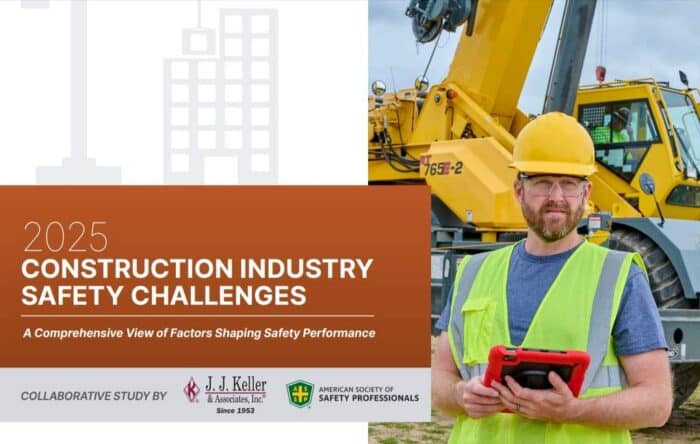
A new research report from J. J. Keller & Associates and the American Society of Safety Professionals (ASSP) offers a sharp snapshot of construction safety in 2025. The 2025 Construction Industry Safety Challenges study digs into how contractors manage risk, train crews, use PPE and adopt new technology on today’s jobsites. For Compact Equipment readers in excavation, earthwork and site prep, the findings hit close to home. Respondents included a broad mix of trades, with general contractors leading the pack and earthwork and excavation firms also represented. From the press release:
“Improving safety in construction requires current data to help us better understand the obstacles that safety professionals face every day,” said Ray Chishti, senior EHS editor at J. J. Keller & Associates, Inc. “Real-world insights are essential for building safer, healthier job sites, and this study provides a critical picture of where the industry stands and where it needs to go to strengthen safety cultures.”
Below is a look at what the report covers and a few key data points — but not all of them. Contractors who care about safety culture, crew retention and bid risk will want to download the full study and mine the charts.
Study Partners and Scope
The J. J. Keller Center for Market Insights and ASSP led the project as a joint benchmark study. They fielded the survey from June 25 through July 10, 2025, and received 719 responses from construction professionals across trades and company sizes. Participants found the survey through J. J. Keller, ASSP, industry publications and social media. General contracting was the single largest trade group, followed by electrical and carpentry or framing, with additional responses from specialty contractors, earthwork and excavation, HVAC, roofing, concrete and more.
Labor, Cost and Safety Top the Challenge List

Three pressures rise above the rest in the report’s topline numbers. Respondents rank labor shortages as the most common challenge. More than one in three cite it as a top concern. Rising material costs follow close behind. Jobsite safety rounds out the top three, with nearly a third of respondents listing it as a primary challenge. Taken together, those three issues frame the environment contractors operate in today: fewer people, higher costs, persistent risks. That combination raises the stakes for compact equipment users who need productive, safe crews to keep bids competitive.
Safety Programs Are Not Always Proactive
The study also probes how companies structure safety and compliance programs. Almost two thirds of respondents describe their approach as proactive. These firms assign dedicated safety resources and update programs regularly. The remaining third sit in more reactive territory. Some follow only basic standards and mainly respond after issues occur. A smaller group is still in the early stages of building a formal safety program. That split matters for compact contractors who work around multiple subs and trades. A proactive approach from the prime or GC influences expectations for equipment inspections, trench safety, traffic control and more on mixed fleets. From the press release:
“In an industry where safety risks are prominent, understanding the unique challenges faced by construction professionals is critical for creating a safer future,” added Gabriel Atencio, CSP, CHST, STSC, Administrator of the Construction Practice Specialty member community at ASSP. “This study uncovers the current conditions in order to spark essential conversations and drive meaningful change toward a safer working environment for everyone involved.”
Leading Indicators See Strong Adoption
One bright spot: most respondents track leading indicators, not just lagging metrics like recordables. According to the study, 96 percent monitor at least some leading safety indicators. Equipment inspections and safety meeting participation are the two most common measures. Many also track job hazard analyses, near misses, behavior-based observations and training completion. Only a small fraction say they do not use leading indicators at all. Those respondents report that they do not see enough value yet in collecting that data. For contractors running skid steers, compact track loaders, mini excavators and other earthmoving machines, the emphasis on inspections is a positive sign. Daily walkarounds, attachment checks and pre-use inspections are simple but powerful controls.
PPE Use Is High But Consistency Is a Problem

The report shows broad use of personal protective equipment on construction sites. Ninety two percent of respondents say PPE is always or often used on their jobs. Safety glasses or goggles, gloves and hard hats or helmets rank as the most common items. Still, the biggest PPE challenge is behavior. More than half of respondents say inconsistent wear by workers is the top issue. Other common complaints include poor fit or comfort, cost pressures and weather impacts, such as heat. Less frequent but still notable issues include limited training on proper PPE use and supply chain shortages. For compact equipment work, inconsistent PPE can show up around trench boxes, underground utilities, roadways and tight urban sites where machine and pedestrian traffic mix. The study data suggests that many firms still wrestle with that last mile of compliance — getting workers to use PPE correctly on every task.
Tech tools help, but trust in the data is mixed
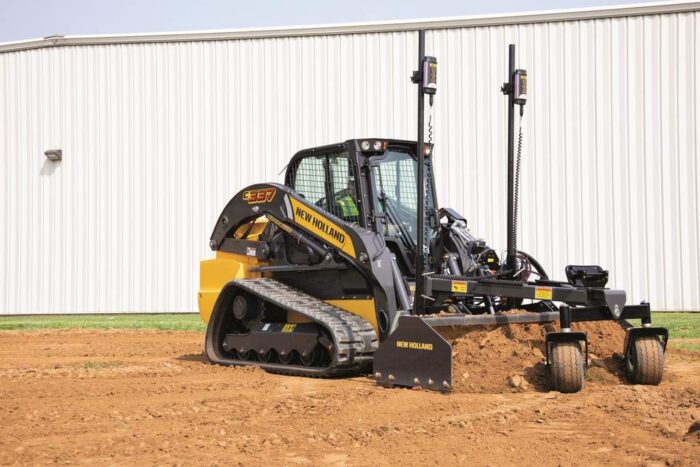
Advanced safety technologies get a lot of industry buzz. The study digs into what contractors actually use and how they feel about those tools. Many respondents report using digital safety inspection tools, mobile apps, learning management systems, incident reporting software and data dashboards for risk tracking. More advanced tools like drones, 3D modeling, wearables and AI analysis see moderate but lower adoption.
Confidence in the data behind these technologies is not universal. More than half of respondents fall into the middle or low confidence range when asked whether their safety tech is backed by strong data and analytics. Budget constraints are the top barrier to wider technology use. Resistance to change among staff and integration headaches with existing systems follow close behind. For small fleets, that lines up with what many Compact Equipment readers see daily. Contractors may want connected machines, digital checklists and real-time dashboards, but they must reconcile those tools with tight margins and mixed iron.
Download the Full Safety Challenges Study
The 2025 Construction Industry Safety Challenges report is available as a free PDF from both J. J. Keller & Associates and ASSP. We have only scratched the surface here. The full document includes detailed charts, respondent demographics, breakdowns by trade and more nuance on training, technology and culture. Contractors who want to benchmark their safety programs — and protect crews who run compact machines every day — should download the full study and share it with field leaders and safety staff.
Keith Gribbins is publisher of Compact Equipment.
Are you curious about the most popular mini excavator models? We have all the dirt.