
How to Prepare Your Portable Generator for a Busy Season
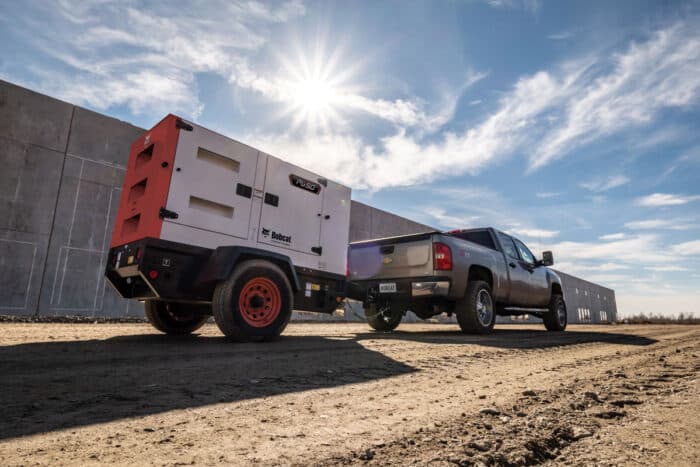
Portable generators play a vital role in keeping operations moving whether you’re supporting construction crews, events and entertainment, powering remote field operations or serving as critical backup during outages. As workloads ramp up, a portable generator that has not been properly inspected, maintained or sized can become a liability rather than an asset. Preparing your generator ahead of a busy season ensures optimal power when the demands of the jobsite are at their highest.
This guide walks through the key steps to get your portable generator ready for heavy use, while helping you avoid common pitfalls that lead to downtime or equipment damage.
Prioritize Responsible Operation
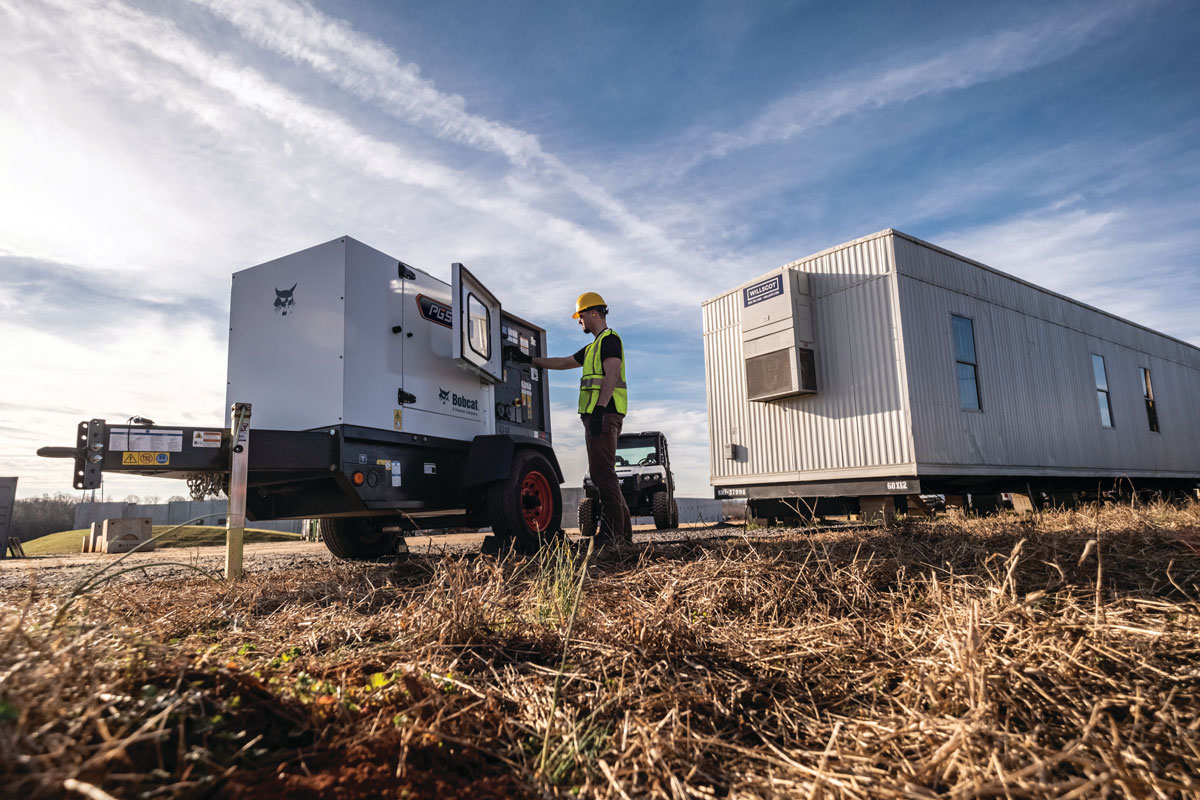
Before performing any maintenance or inspection, power down the generator, disconnect all loads and ensure it is properly grounded. Wear appropriate personal protective equipment (PPE), including gloves and safety goggles.
Because generators produce high voltage output and carbon monoxide, they must be operated outdoors in well ventilated areas and kept away from doors, vents or enclosed structures. Grounding and bonding requirements vary by model so operators should follow manufacturer instructions and local electrical codes at each jobsite.
Issues such as repeated breaker trips, irregular engine noise, fuel leakage, starting problems or unstable voltage output call for professional evaluation. Licensed technicians can assess wiring integrity, diagnose alternator or control panel concerns and verify proper engine and exhaust performance, which is especially important as units move between jobsites and changing environmental conditions.
Routine Maintenance for Reliability
Consistency prevents surprises. Adhere to the manufacturer’s service intervals and adjust for harsher conditions like dust, heat or frequent relocation. Routine inspections should include fluids, hoses, wiring, filters and wear-prone components; quick visual checks before each use can catch small issues early. Many fleets align around staged service milestones and bring units in sooner when conditions demand it. Seasonal adjustments such as winter grade oils and fuel additives in cold weather or higher viscosity oils in extreme heat preserve performance and help reduce wear.
Pre Operation and Site Inspection
Transport and repositioning can jostle connections and expose components. Before startup, verify that cable terminations are tight and free of heat discoloration; check receptacles, GFCIs and breakers; and examine wiring for chafing or insulation damage that could energize the frame. Place the generator on a level, stable surface with adequate airflow clearance on all sides, directing exhaust away from people and materials. Confirm cords are properly rated for outdoor use and free of cuts or flattened segments. Store fuel in approved containers, isolate a refueling zone and protect supplies from contamination.
Jobsite Specific Tasks That Pay Off
Beyond the basics, jobsite duty cycles, vibration and transport demand extra attention. Incorporate these tasks into your checklist:
- Inspect belts and pulleys for glazing, cracking or misalignment that can degrade alternator output or drive overheating.
- Test battery health, clean terminals and consider a maintainer or heater for cold climates to reduce no-start scenarios.
- Clean cooling air intakes and alternator housings; dust restriction elevates operating temperatures and triggers nuisance shutdowns.
- Tighten mounting hardware and vibration isolators to prevent fuel line fatigue, cracked brackets and loosened grounds.
- Drain diesel fuel water separators and verify filter condition; water accumulates faster when tanks and totes live outdoors.
- Confirm spark arrestors (where required) are intact and clear, especially near combustible materials or in wildfire sensitive regions.
- Exercise the generator under load, not just at idle, to keep fuel systems responsive and burn off deposits that build during light load operation.
- Schedule periodic load bank testing for fleet units to validate voltage/frequency stability and reveal weaknesses before they surface on the job.
Fuel, Fluids and Filters — Manage for the Season
Fuel systems fail quietly until they don’t. Keep gasoline fresh, use stabilizer when storage exceeds a month and consider ethanol free fuel where available. For diesel, manage gelling risks with appropriate additives and confirm coolant protection before freezing temperatures arrive. In both cases, keeping tanks topped helps limit condensation; water invites corrosion, microbial growth and injector problems that are costly and inconvenient in the field. Use OEM recommended fluids and filters to maintain efficiency and protect warranties.
Battery Care Is Mission Critical
Battery issues top the list of cold weather failures. Establish a cadence to test voltage, inspect for corrosion and verify cranking performance ahead of severe conditions. For parked units, a smart trickle charger or battery heater preserves state of charge and reduces sulfation, ensuring dependable starts when crews arrive at dawn.
Choose the Right Generator for the Job
Selection starts with knowing the total load. Inventory tools and equipment, capture voltage and amperage from each data plate and determine which loads run simultaneously. Account for surge requirements on motor driven equipment. Then layer in runtime expectations: Some units carry large onboard tanks for all shift operation; others allow external fuel for 24/7 duty. Consider the environment — altitude, heat, cold, dust — and apply derating or cold weather kits as needed. Finally, assess portability. Trailer or skid mounted packages often reduce setup time and wear from frequent moves.
Avoid Sizing Traps
Oversizing: Diesel generators running too lightly loaded for long stretches can wet stack — unburned fuel and soot collect in the exhaust — showing as black smoke, higher oil consumption and sluggish performance. While gasoline and LPG sets are less prone, all generators are happiest at moderate load. Prevent the problem by matching capacity to typical demand and exercising units under appropriate load.
Undersizing: Undersized sets trip breakers, overheat alternators and expose connected equipment to voltage and frequency swings. That instability damages motors, electronics and control panels. Correct sizing protects both the generator and the load.
Right Sizing, Step by Step
Use this process for non motorized loads:
- Volts × Amps = Watts
- Watts ÷ 1000 = kW
- kW ÷ Power Factor (PF) = kVA (PF is typically 1.0
for single phase and 0.8 for three phase)
Motorized Loads
Motors draw significantly higher current at startup. When sizing for motors, determine the motor horsepower, motor code (which indicates locked rotor kVA per horsepower) and starter type. If this information is unavailable, using motor code G with an across the line starter provides a conservative estimate.
Proper sizing helps ensure the generator delivers stable power and extends equipment life.
Make Seasonal Readiness Routine
Treat seasonal transitions like mini overhauls: swap to climate appropriate oils, verify coolant protection, refresh fuel, test batteries and perform a full load run to confirm stability before work ramps up. Establish a documentation habit — hours, services performed, faults observed — so patterns are visible and units can be rotated for maintenance without disrupting schedules. A short, repeatable checklist beats a complicated plan that never gets done.
Practical Preparation Pays Off
Portable generators are indispensable when deadlines are tight and conditions are tough. By combining realistic maintenance rhythms, smart fuel and battery care, disciplined site inspections and precise sizing, you put reliable power within your control. Build your plan around consistent service, seasonal adjustments and truth telling load calculations, and you’ll keep power steady, people safe and projects on schedule — no matter how busy the season gets.
Bobby Ranker is a product specialist for Bobcat.


Comments are closed here.