
Comprehensive Maintenance Enhances the Performance and Longevity of Your Backhoe
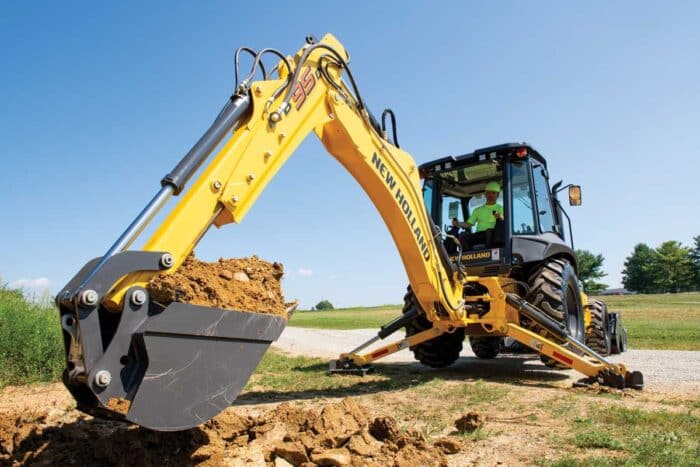
Maintaining your backhoe properly is essential for ensuring safe operation, maximizing machine life, reducing downtime and achieving optimal performance. Backhoes, like other heavy equipment, frequently operate in demanding environments. Exposure to dirt, dust and moisture without consistent maintenance can significantly increase the risk of premature equipment failure. To mitigate these risks, it is imperative to adhere to a strict maintenance schedule.
Daily Maintenance Tasks
Daily maintenance forms the cornerstone of effective heavy equipment care. The following inspections are intended to quickly identify potential issues at an early stage, preventing escalation into larger problems. Begin by verifying fluid levels, including engine oil, coolant, hydraulic oil and fuel. Inadequate hydraulic or engine oil can lead to overheating, cavitation or accelerated wear on pumps, valves and cylinders. Clean all grease points, and ensure all pivot points on loader arms, booms, dippers, bucket linkages, stabilizers, swing frames and attachments receive appropriate lubrication, which minimizes pin and bushing wear, prevents binding and promotes smooth operation.
Carefully examine the area beneath the machine for any signs of fluid leaks and inspect hoses and lines for evidence of chafing or cracking. Assess tires for cuts, punctures, uneven wear, and confirm proper inflation. Incorrect tire pressure may compromise stability and place undue stress on drivetrain components. Remove debris from the radiator and engine compartment, and clean cooling fins to maintain optimal airflow and prevent overheating. Test all lights, gauges, horns and backup alarms. Confirm that attachment pins and safety latches are secure and functioning correctly.
Performing these daily checks enhances safety and enables early detection of problems. Significant equipment failures often originate from minor issues such as loose bolts, small leaks or low fluid levels if left unaddressed. Consistent daily inspections also allow operators to closely monitor the condition and performance trends of their machinery.
Every 50 to 100 Hours
Maintenance tasks become more involved every 50 to 100 hours, often requiring some specialized tools. Begin by reapplying grease to critical loader joints, stabilizer bars and swing bearings for proper lubrication. Always check and retighten important subframe and linkage bolts according to manual specifications, as vibration and heavy use can loosen them over time and pose safety risks or cause structural damage. Remember to inspect and clean engine air filters regularly; replace them if they are clogged or damaged to guard against abrasive dust harming the engine.
Maintain battery health by checking electrolyte levels, cleaning terminal connections and confirming that it is firmly secured. If your equipment operates in wet conditions, don’t forget to drain water separators in the fuel system to avoid damage to injectors and pumps. These intermediate maintenance steps help bridge daily upkeep and comprehensive servicing, safeguarding your engine and hydraulic systems from contamination — keeping components secure and ensuring everything stays well-lubricated.
250 Hours
At approximately 250 operating hours, comprehensive service is recommended. For many operators, this interval corresponds with monthly preventive maintenance. The engine oil and filter should be replaced using genuine lubricants to support engine longevity and consistent performance. Subsequently, inspect belts, hose clamps and coolant condition. Verify transmission fluid levels and assess overall status. Examine flexible hoses and fittings for signs of abrasion, leakage or wear. Inspect the boom, dipper, bucket and loader arms for cracks, damaged welds or deformation. Additionally, evaluate pins, bushings and mounting brackets for wear. Monthly maintenance checks focus on renewal and protection. Changing fluids and filters minimizes abrasive wear, removes contaminants and safeguards critical engine and hydraulic components.
500 Hours
Every 500 hours of maintenance will deepen into the heart of your backhoe’s systems. Begin by replacing hydraulic filters and inspecting oil condition. Contaminated hydraulic oil can cause valve stickiness, pump wear and poor actuator response. Replace fuel filters and clean sediment bowls to prevent fuel pump and injector issues. You’ll also want to change transmission filters and inspect fluid for wear indicators. Be sure to grease wheel bearings and adjust as needed. Check parking and service breaks for wear, proper adjustment and signs of fluid leaks in hydrostatic systems. Hydraulic and transmission systems are among the most expensive repair zones on a backhoe. Replacing filters and refreshing fluids protects the pumps and precision components on your machine that cost thousands to repair or replace.
750 to 1,000 Hours
At 750 to 1,000 hours, you may want to consider scheduling some shop time for a deeper inspection. At this point, it will be time to replace transmission lubricants and filters. You’ll also want to flush hydraulic oil and clean suction screens to remove large debris. Replace gear oils in diffs and final drives, which will be critical in machines with 4WD or heavy load cycles. Inspect and adjust valve lash per engine manufacturer specs. Finally, be sure to check engine mounts, cab supports and main frame for stress cracks or wear.
More to Consider
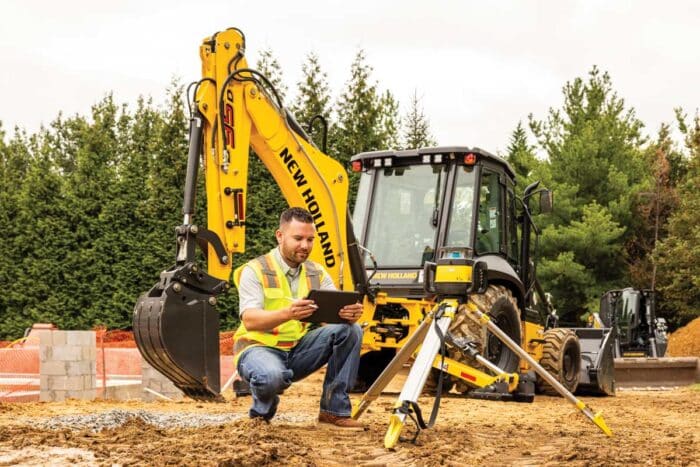
Not every task will be strictly tied to hours. Some depend on the condition. Backhoe teeth and cutting edges will need to be replaced based on wear pattern and digging conditions. Hydraulic cylinder seals will need to be inspected for weeping oil. Leaking seals can degrade performance and compromise safety. You should be sure to touch up exposed metal whenever possible to prevent rust, especially in coastal or wet work environments.
More modern New Holland backhoes have service reminders and onboard diagnostics that should be reset after service for accurate maintenance tracking. Operators and fleet managers should remember to log every maintenance action, including date, hours, tasks completed and parts replaced. If the machine is shared among many people, be sure to note any leaks, loose hardware or unusual wear spotted. Documentation supports warranty claims, helps predict future maintenance needs and improves resale value.
Always be sure to use genuine manufacturer parts, including filters and fluids that have been engineered specifically for your brand of machine. Be sure to follow the operator manual specified torques, as loose or overtightened fasteners can create safety hazards. Dusty, muddy or salty environments can accelerate service needs. Be sure to adapt schedules accordingly. Remember, a competent operator who understands daily checks reduces preventable breakdowns.
A structured maintenance schedule for your backhoe, including daily checks, fluid changes, filter replacements and periodic deep servicing isn’t just recommended — it is essential for longevity, safety and optimal performance. While specific hour intervals may vary slightly between models, the principles above reflect both OEM guidance and best practices for heavy equipment maintenance.



Comments are closed here.