
How to Maintain Blade Performance in Roadside and Land-Clearing Applications
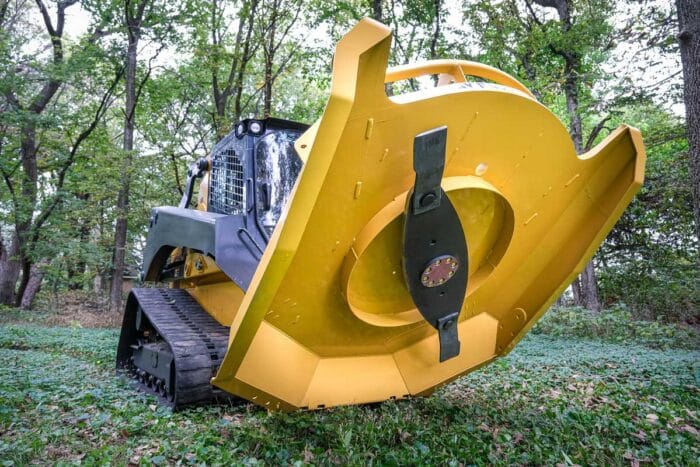
For contractors, municipalities and vegetation management professionals, blade performance is a day-to-day productivity issue. While the right one can help keep jobs moving, the wrong fit can drive unnecessary downtime.
“Most crews are focused on what they can see – the carrier and the attachment – but blades are where the work actually happens,” said Bryan Campbell, vice president of parts business at Diamond Mowers. “When these parts stay sharp longer, fit correctly and withstand heavy impact, teams spend less time servicing their machines and more time clearing acres.”
Drawing from field experience and service conversations with operators, Campbell offers the following guidance on blade-related areas crews should routinely evaluate. From cutting efficiency and durability to attachment compatibility, operational tips and more, these considerations reflect the performance and maintenance checks contractors should use to keep blades working reliably in demanding jobsite conditions.
Increased Efficiency and Performance
Efficiency in the field isn’t just about speed. It’s also about maximizing productivity and minimizing disruptions. Blades designed to maintain sharpness can reduce the frequency of sharpening intervals and changeouts, meaning less time in the shop and more time staying productive and on schedule. Consistent cutting also reduces the need for repasses, which saves fuel and time, and helps maintain steady performance across varying vegetation densities.
“You shouldn’t have to babysit the carrier,” Campbell said. “When the blade matches the material, the head runs true and the cut stays uniform, allowing operators to cover more ground, experience fewer interruptions, and keep equipment operating the way it was intended.”
Durability
Maintaining that level of performance over long shifts depends heavily on how well a blade holds up. Whether working along roadsides, clearing overgrown land or managing forestry applications, blades must withstand repeated strikes without compromising performance. Hidden rocks, wires, roots and debris are sometimes unavoidable, so users need to rely on components that can absorb shock rather than chip or bend.
Blades with reduced damage resistance may cut aggressively at first but can dull quickly or send force back into the machine. Designs that absorb the hit, however, help extend component life, maintain smoother operation, and reduce operator fatigue throughout the day.
“We know the toughest jobs demand the toughest tools,” said Campbell. “That’s why each Diamond blade is manufactured using high strength steel to deliver durability under extreme stress. Doing so offers longer blade life and gives customers the confidence to take on challenging work without hesitation and maintain peak performance over time.”
Compatibility Breakdown
Durability alone isn’t enough, though. Matching blades to the specific attachment and application is essential for safely handling machinery. Tip speed, carrier size and cutting width all influence how a blade behaves during use, so mounting patterns and material types should be confirmed before installing replacements.
“The way blades fit affects their cut quality, safety and effectiveness,” Campbell explained. “If they aren’t compatible with the head, they can introduce vibration and add unnecessary strain on the machine and the operator.”
In practice, crews select blade profiles based on how equipment is used. Skid steer attachments, for example, favor shorter, heavier blades for mixed brush and occasional ground contact. Conversely, excavator attachments rely on balanced sets sized to cutting widths to prevent oscillation or uneven rotation, while those compatible with tractors use lighter-swinging blades to maintain coverage at different traveling speeds. Verifying compatibility before installation also helps maintain consistent results and reduces deterioration.
Key Features that Support Performance
Beyond application and fit, operators should also look closely at the physical characteristics that influence how a blade performs over time. From a maintenance perspective, evaluate how quickly a blade can return to action and how well it protects surrounding components between service intervals. The following traits are commonly associated with high-performance, heavy-duty cutting blades:
- 3/8-in. hardened steel construction for long-term resistance: Thick, hardened steel helps the cutting edge maintain shape after repeated contact with material, extending maintenance cycles and preserving cutting consistency.
- Swinging design that pivots on impact: Pivoting mounts allow blades to deflect when hitting rocks or debris, reducing shock transfer into bearings and motors and helping protect the carrier.
- Easily replaceable when damaged: Simplified replacement kits allow crews to restore functionality quickly.
Operational Tips
In addition to choosing the right blade(s) for the job and attachment, routine inspections and handling habits play major roles in optimizing service life. Best practices for reducing strain on hydraulic systems and improving overall longevity include:
- Inspecting blades daily during heavy land clearing cycles
- Replacing damaged blades in matched sets to preserve balance
- Avoiding prolonged ground contact while spooling up
- Matching cut speed to material density rather than engine RPM alone
While equipment capability often drives purchasing decisions, experienced operators know consumable components largely determine productivity.
Bryan Campbell is vice president of parts business at Diamond Mowers.



Comments are closed here.