
Tips for Ensuring Safe UTV Operation
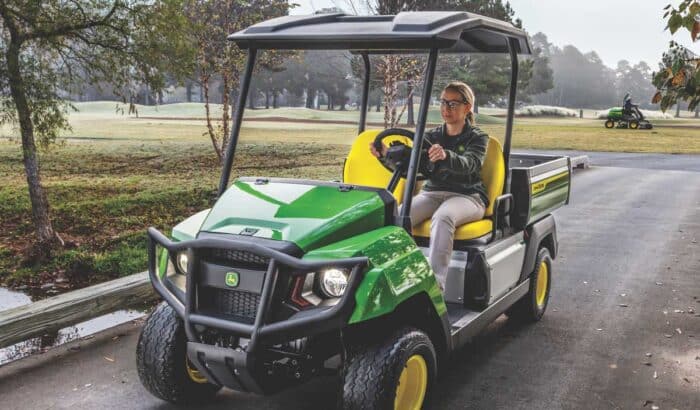
UTVs are getting bigger and better, with increased capabilities to work across a variety of construction and landscaping jobsites. With the uptick in UTV options, increasing horsepower and attachment offerings, it’s important for operators and contractors to understand how to safely use these machines to prevent injury.
Safe operation is achieved through choosing the right machine and safety features, following essential driving rules and abiding by towing and loading limits. With proper preparation and training, UTVs can help operators work more efficiently while minimizing risk. The following guidance highlights key steps any operator or fleet manager can take to build a strong culture of safety.
Choosing Safety Features
Not all UTVs are created equal, and understanding the safety features and their purpose can help you understand your machine better and make the best choice for you and your jobsite needs. Some safety features for UTVs include:
- Rollover Protective Structures: Rollover incidents remain one of the most common hazards associated with UTV operation, especially when driving on uneven terrain. A Rollover Protective Structure (ROPS) is designed to help shield occupants in the event of a rollover by maintaining a protective space around the operator and passenger. It is important to note that ROPS need to be used in combination with seatbelts and nets or doors. ROPS can achieve safety only when combined with these elements.
- Speed Governors: Some manufacturers of UTVs offer the ability to limit speed on the machines which allows owners to lower the top speed of their machine. This is a nice option for areas where higher top speed isn’t required or in an environment where you would want to restrict speed for the operators.
- Visibility and Lighting: Good visibility is essential to preventing accidents, especially when operating at dawn, dusk or in shaded environments. Lighting upgrades, such as LED headlights, taillights, turn indicators and additional work lights, help operators see clearly and be seen by others. Reflective materials, clean windshields and proper cab setup also play key roles in visibility. For enclosed cabs, windshield wipers, defrosters and anti-glare surfaces help maintain clear sightlines. Operators should keep glass and mirrors clean, especially when switching between day and night conditions.
Safe Operation Tips
The most important aspect of safe operation is understanding your machine and how to drive it. Lean on your dealer and manufacturer for tutorials, safety videos and your operator manual to get attuned with all the features of your machine and safety protocols.
Before beginning to drive your UTV, you should complete pre-operation checks to ensure that everything is working smoothly. Complete a walkaround checking for brake responsiveness, seatbelt function, fuel levels, tire pressure and looking beneath the machine for undercarriage debris.
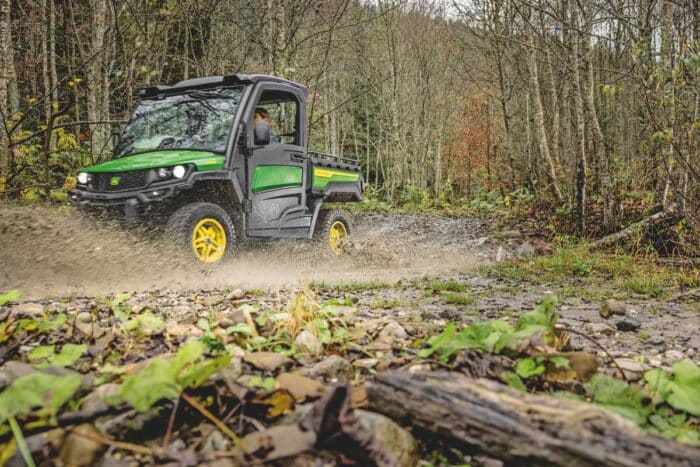
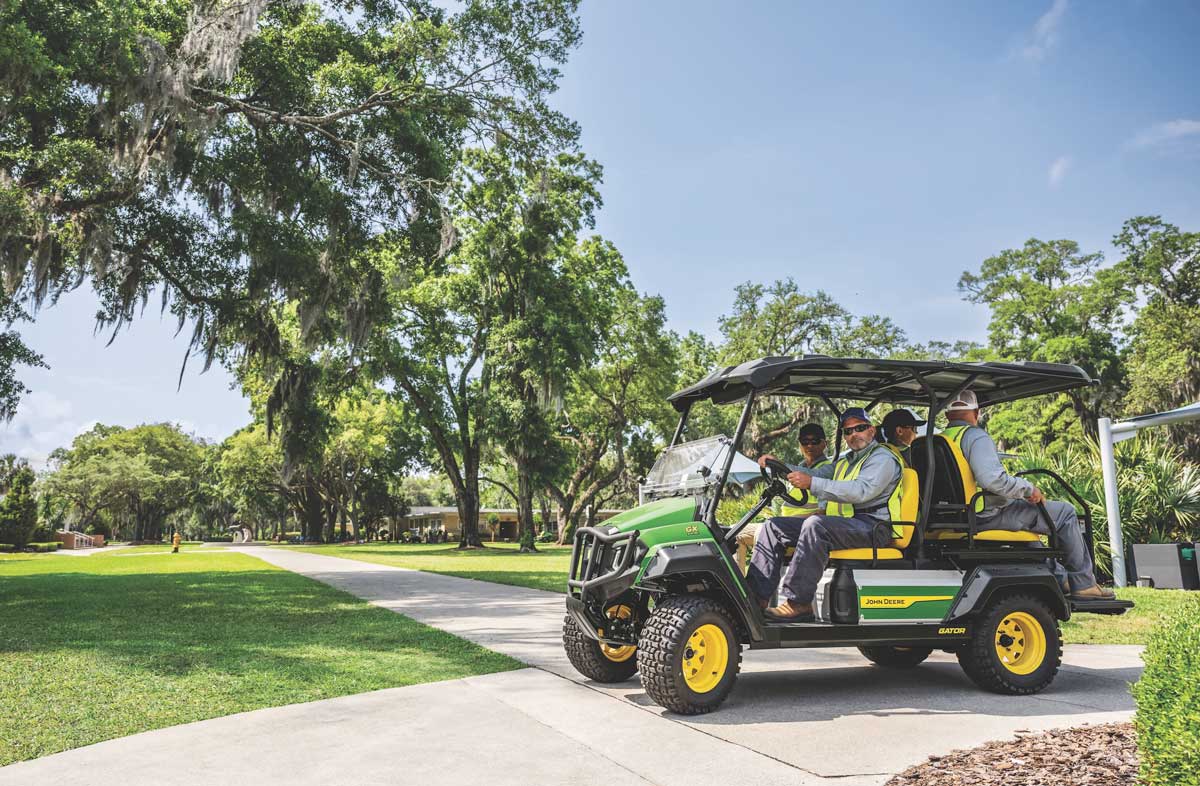
After confirming the UTV is in proper working order, you can begin operation while keeping safety front of mind. If you’re riding with passengers, they should be tall enough to have their feet flat on the floor, have their back against the seat back, seatbelt buckled and should be able to reach the handrails. All passengers should wear seatbelts if available and use any required PPE for the jobsite such as helmets, gloves, safety glasses or high-visibility apparel.
It’s important to drive at appropriate speeds to reduce risk of rollover, especially in dangerous conditions or on uneven terrain. Operators should also slow for corners, avoid sudden direction changes and remain mindful of visibility while driving at night or in wooded areas. Wet, icy or snowy conditions can be a hazard, and can reduce traction. Operators should adjust speed, increase following distance and avoid unnecessary operation during extreme weather whenever possible.
Loading and Towing Safety
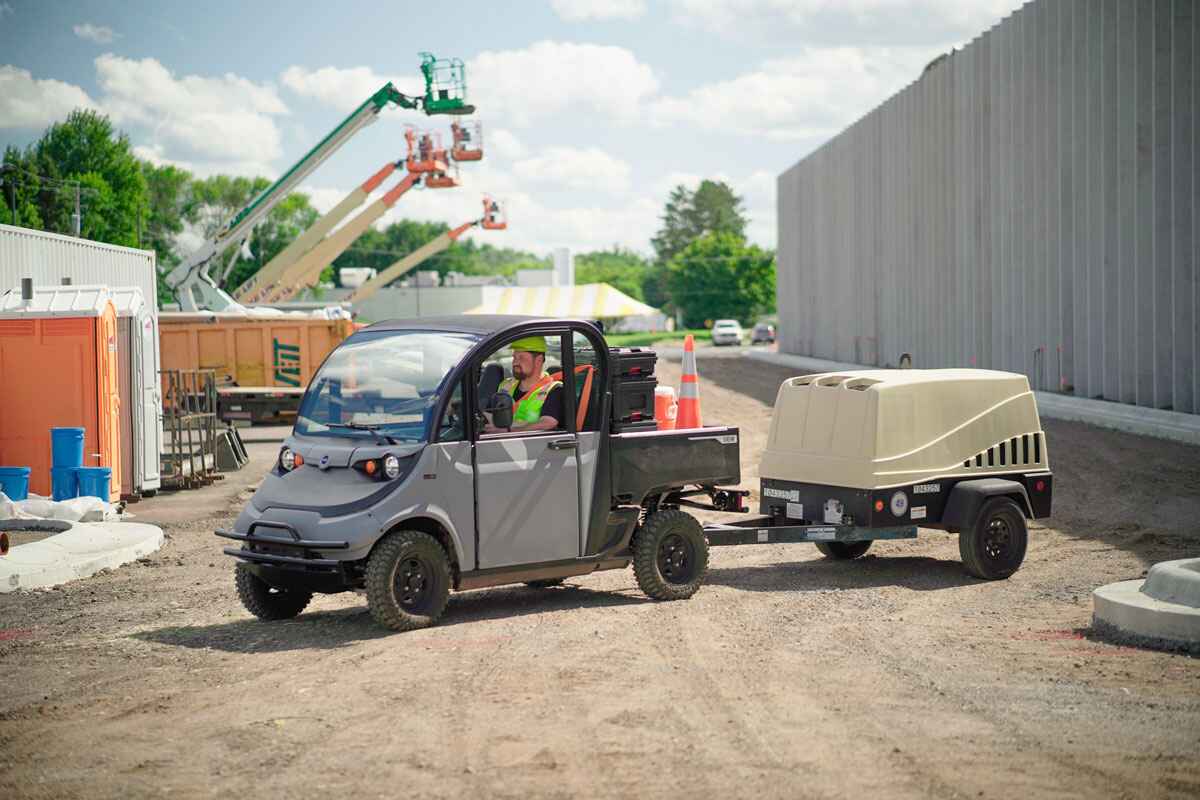
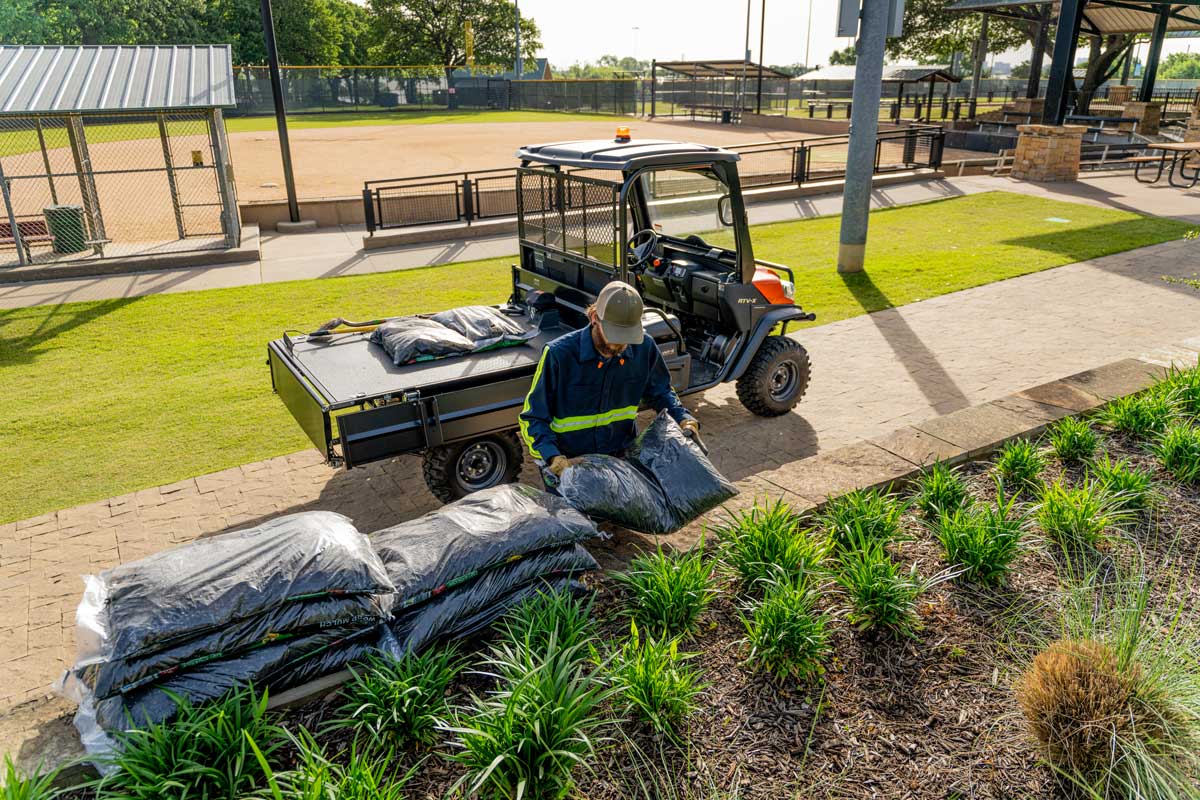
One of the most useful aspects of UTVs are the loading and towing capabilities which help operators transport goods on jobsites and utilize several attachments. Each UTV model includes specific limits for towing capacity, cargo bed load and total payload. Exceeding these limits can lead to instability, braking issues or mechanical strain. Even if your machine is under the weight limit, weight distribution can also cause instability. Evenly disperse all materials across the cargo bed to ensure that the UTV is balanced.
UTVs can support a variety of attachments, such as snowplows, sprayers or spreaders, making them a versatile tool for the jobsite. However, attachments introduce additional safety concerns that should be addressed before operation.
Not all attachments are compatible with all UTVs, and this can be verified in your owner’s manual or from your local dealership. Utilizing an incompatible attachment can cause strain on your machine, or detachment. Attachments should be mounted according to manufacturer instructions using the correct hardware, brackets and electrical connections. Whenever attachments are utilized, operators should remain more alert when driving, as attachments can shift the center of gravity and affect handling. For help selecting features or attachments, your local dealership is one of the best resources for personalized recommendations.
Preventative Maintenance and Caring for your Machine
A well-kept, well-working machine is a safe machine. Keeping up with routine maintenance will ensure that your UTV is durable and safe. Routine service tasks, such as oil changes, brake inspections and filter replacements, are vital to keeping the machine in optimal condition. Ignoring maintenance can lead to reduced performance, increased safety risks and costly repairs.
Although UTVs are powerful assets to your jobsite, it’s vital to understand the risks associated with using them. By keeping your crew and passengers educated, you can reduce the risk of accidents and injuries. Operator training is key for safety across the worksite and should be done before the machine is operated. For any maintenance and safety questions, always contact your local dealership or reference your owner’s manual for specific information on your make and model.
Eric Halfman is a go-to-market manager at John Deere.


Comments are closed here.