
8 Small Engine Upkeep Tips for Compact Equipment Owners
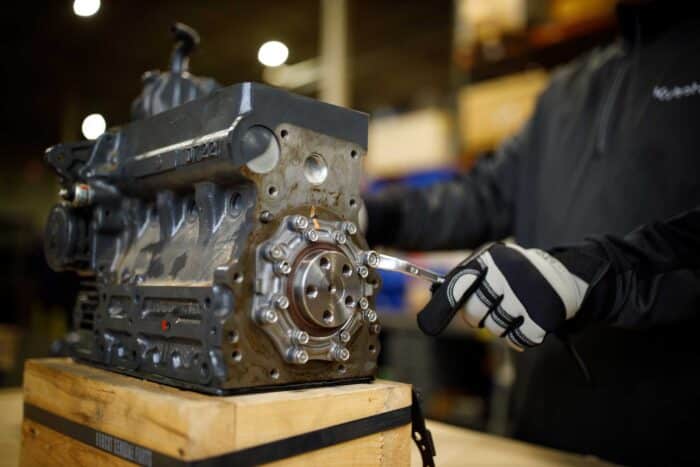
Keeping a compact equipment engine in strong working condition is essential for reliability, efficiency and long service life. These engines often operate in challenging environments and may be used by multiple operators, which makes consistent maintenance especially important. A well-structured upkeep routine helps prevent unexpected downtime and ensures your equipment is ready for any task. The following best practices offer a solid foundation for maintaining small diesel engines in compact machines.
1. Follow a Consistent Oil Change Routine
Oil is vital to protecting internal engine components. Heavy loads and high operating temperatures can break down oil quickly, increasing wear if intervals are extended. Follow the manufacturer’s recommended change schedule and track operating hours closely. Use manufacturer-approved filters and lubricants to maintain proper protection and flow. Whether tracked manually or with maintenance software, logging oil changes helps ensure no intervals are missed.
2. Maintain a Clean Fuel System
Clean fuel is crucial for efficient engine operation. Contaminated fuel can clog injectors, reduce power or cause permanent damage. Replace fuel filters and water separators as recommended, and ensure operators understand proper refueling techniques to avoid introducing dirt or moisture. High-quality replacement parts help maintain consistent performance and protect the system.
3. Inspect and Replace Air Filters
Air filters keep dust and debris out of the engine, which is especially important for equipment working in harsh or dusty conditions. A dirty filter restricts airflow, reducing efficiency and increasing fuel consumption. Check air filters frequently and replace them when needed. Keeping extras on hand can help avoid delays.
4. Monitor the Cooling System
Overheating is a common cause of engine failure. Regularly inspect coolant levels, radiator fins, thermostats and hoses. Look for leaks, blockages or other issues that could limit cooling performance. Use the coolant type recommended by the manufacturer to prevent corrosion or scaling. Seasonal temperature swings may require additional checks or adjustments to keep the system functioning properly.
5. Check Battery Condition
Consistent starts are essential for productivity. Inspect battery terminals for corrosion, verify charge levels and replace weak batteries before they cause downtime. Select batteries that meet the equipment’s required power specifications, and train operators to recognize signs of decline, such as slow cranking or dim lighting.
6. Examine Belts and Hoses
Belts and hoses may be small components, but their failure can stop work immediately. Look for cracking, fraying or looseness in belts, and check hoses for wear or leaks. Replace worn components promptly and consider stocking common belt and hose sizes for quick replacements when needed.
7. Maintain the Exhaust System
A healthy exhaust system supports engine performance and helps ensure compliance with emission requirements. Inspect for leaks, blockages or damage, and check components such as mufflers and emission control devices. Early repairs can help avoid broader performance issues.
8. Use Regular Inspections and Diagnostics
Preventative maintenance helps identify small issues before they become major repairs. Conduct routine visual inspections, performance checks and diagnostic scans. Manufacturer diagnostic tools provide valuable insights into engine health and operating conditions. Maintain a detailed service log to track inspections, repairs and maintenance activity.
Proactive Care Builds Confidence
A disciplined maintenance approach keeps compact equipment performing reliably and efficiently. By following these best practices, owners and operators can extend engine life, reduce downtime and maintain confidence in their equipment’s readiness for any job.
Michael De Leonardis is the senior manager of service engineering at Kubota Engine America.


Comments are closed here.