
The State of Skid Steers and Compact Track Loaders in 2026
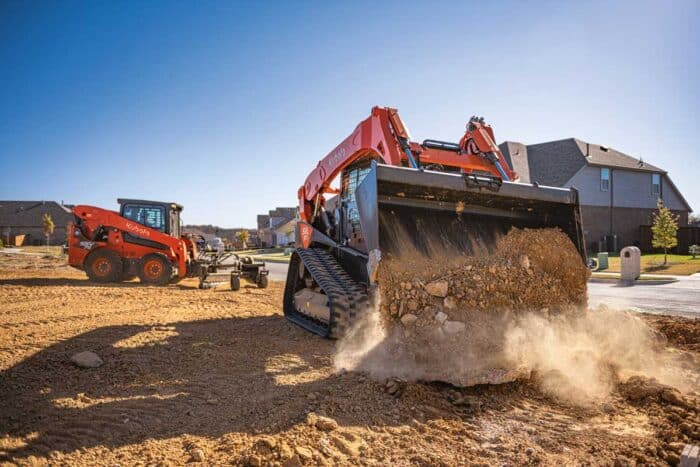
Skid steers and compact track loaders remain the backbone of North American compact equipment fleets, heading into 2026. These machines are no longer just versatile tool carriers. They have become highly specialized production platforms that blur the line between compact loaders and larger earthmoving equipment. Compact track loaders now dominate total sales volume, while skid steers continue to thrive in specific regions and applications. At the same time, the category is stretching in two directions at once. Machines are getting larger, heavier and more powerful at the top end, while smaller and more maneuverable units are carving out space at the bottom. Technology adoption continues to accelerate. Hydraulic performance keeps climbing. Attachments drive buying decisions more than ever. Electric machines remain niche but relevant. And customization, from factory options to aftermarket skins and wraps, has become part of the ownership conversation. For contractors and owner-operators evaluating the market in 2026, understanding how skid steers and compact track loaders differ — and where each excels — is still the first step.
Skid Steers vs. Compact Track Loaders
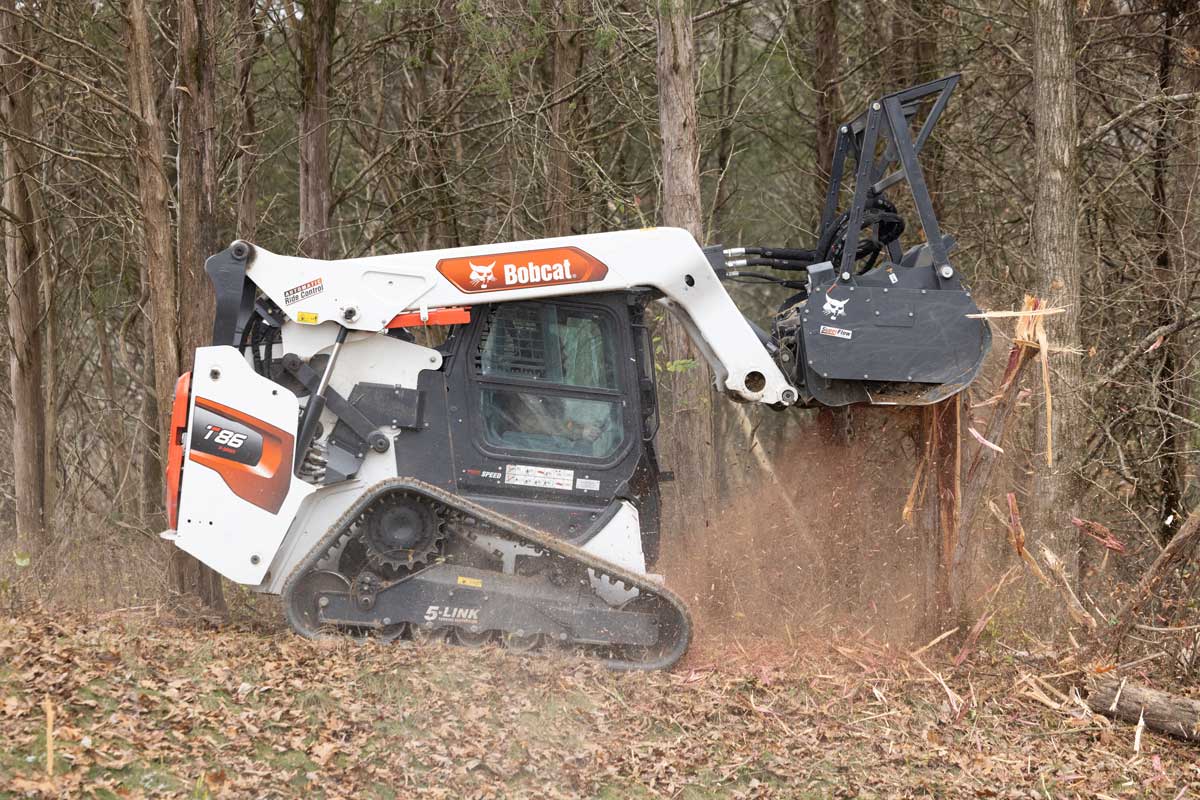
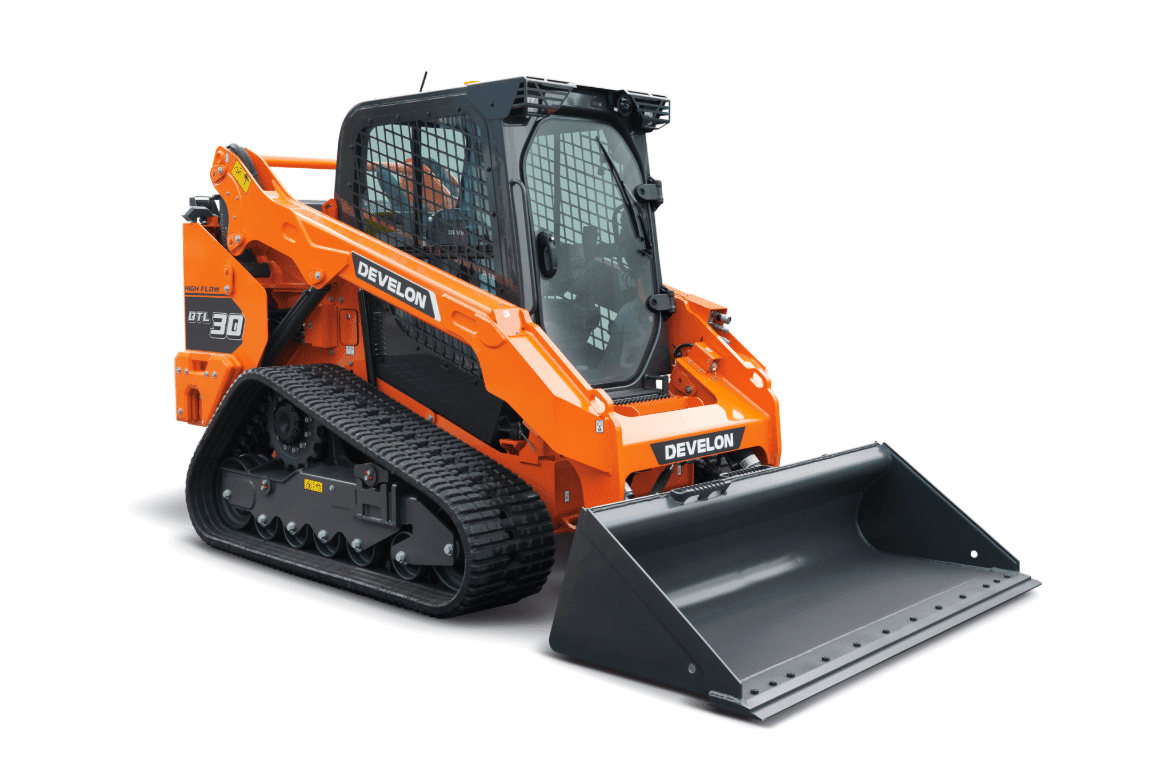
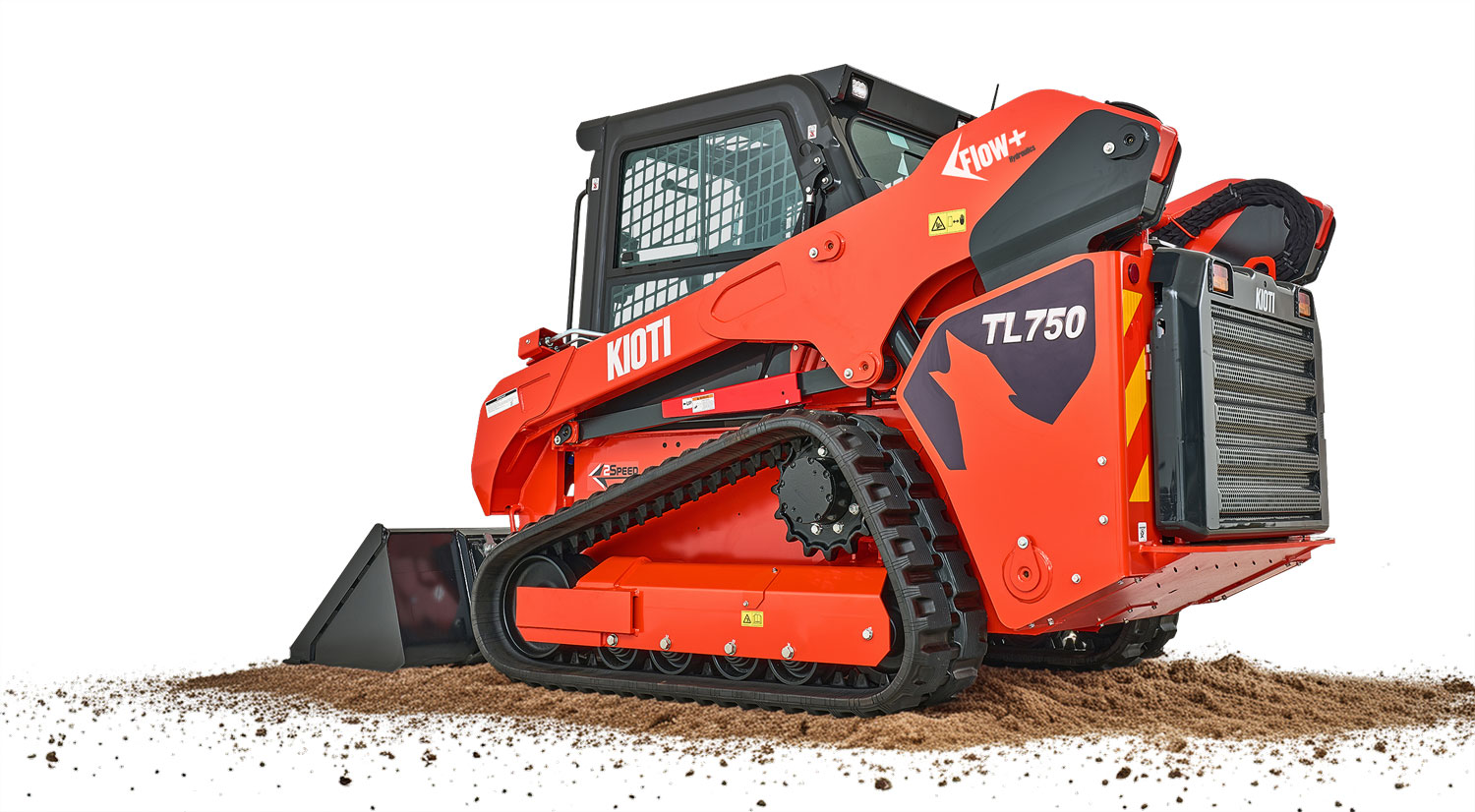
Compact track loaders now account for roughly 80 percent of the North American compact loader market (all skid steer and CTL sales combined). That trend shows no signs of reversing. Tracks deliver traction, flotation and pushing power that wheels cannot match, especially in dirt, mud, slopes and sensitive surfaces. CTLs have become the default loader for site prep, grading, land clearing and utility work. Compact track loaders continue to dominate dirt-centric applications. Forestry and vegetation management have also become major growth drivers for CTLs, pushing demand for high-flow hydraulics, guarding packages and enhanced cooling capacity. Skid steers, however, are far from obsolete. Wheeled machines remain faster on hard surfaces and are easier and cheaper to maintain over time. Tires cost less than tracks. Transport weights are lower. Cycle times are often quicker. In applications like concrete and asphalt work, snow removal, agriculture and urban construction, skid steers still make economic and operational sense. In 2026, the choice is less about which machine is better and more about which machine fits the work environment, attachment package and ownership model.
The Most Popular Size Classes
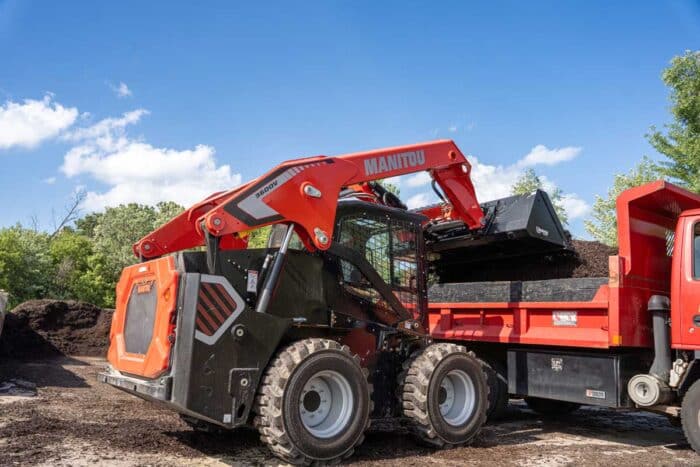
Despite the growth of large-frame machines, mid-sized loaders still represent the bulk of sales. For skid steers, machines in the 2,700-lb rated operating capacity range remain the most popular. These units balance lift, size and cost while staying under key transport and licensing thresholds. In the CTL market, demand continues to shift upward. Machines rated at 3,000 lbs ROC and higher now represent a significant share of sales. Contractors want loaders that can handle heavy attachments, lift palletized materials and replace small dozers or wheel loaders on certain jobs. At the same time, smaller CTLs are gaining traction with landscapers, rental yards and contractors working in tight residential spaces. These compact machines trade outright power for access, transportability and lower ownership costs.
Bigger and Smaller at the Same Time
One of the defining trends of the 2026 market is the widening spread between machine sizes. On the large end, “super” skid steers and CTLs now exceed 100 hp and push operating capacities past 4,000 lbs. These machines are built for sustained high-flow work and heavy material handling. Many now rival compact dozers and telehandlers in capability while retaining the maneuverability and attachment flexibility of a loader. On the small end, manufacturers continue to refine low-profile CTLs and compact skid steers that fit through gates, under overhangs and onto lighter trailers. These machines appeal to contractors who value access and simplicity over raw output. The result is a category that offers more choice — and more complexity — than ever.
Technology Trends Shaping 2026
Advanced Hydraulics
Auxiliary hydraulic performance remains the biggest driver of machine evolution. Standard-flow systems are no longer enough for many buyers. High-flow and enhanced high-flow systems now push well beyond 40 gpm, with pressures approaching 4,000 psi or more. Load-sensing and pressure-compensated hydraulic systems are becoming more common, especially on larger machines. These systems improve attachment performance while reducing wasted energy and heat. Cooling capacity has become just as important as raw flow numbers.
Electrohydraulic Controls and Automation
Electrohydraulic (EH) controls are now widely available in the market, while pilot controls remain popular on skid steers and CTLs for their feel and responsiveness. But EH controls allow operators to easily adjust responsiveness, switch control patterns and tailor machine behavior to specific tasks or attachments. Features like creep control, return-to-dig, ride control and self-leveling are no longer luxury options. They are almost expected on professional-grade machines today. EH controls help advance these cool features.
Telematics as Standard Equipment
Telematics is no longer a differentiator. It is table stakes. Fleet owners expect to track hours, location, service intervals and fault codes remotely. Rental houses rely on telematics for utilization and theft prevention. Contractors use it to plan maintenance and manage mixed fleets more efficiently.
Grade Control Comes to Compact Track Loaders
Grade control adoption continues to expand in the CTL segment. Fully integrated 3D systems remain a premium option, but simpler onboard grade indication tools are seeing broader uptake. For many contractors, CTLs equipped with 2D grade control or slope indication systems strike the right balance. These tools improve accuracy and speed without the cost and complexity of full GPS setups. Attachments also play a role. Laser-guided box blades and smart grading attachments allow contractors to bring precision earthmoving into jobs that previously relied on manual skill alone. In 2026, grade control is no longer limited to dozers and motor graders. Compact track loaders are firmly part of that conversation.
Attachments Drive the Market
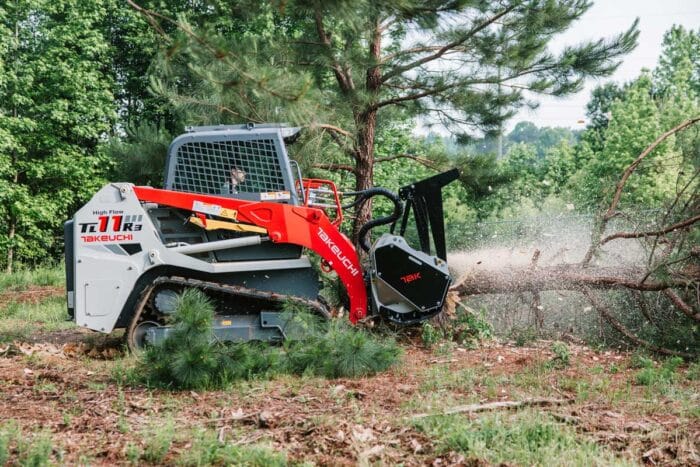
Attachments continue to shape buying decisions more than base machine specs. The universal attachment plate remains the great enabler of the skid steer and CTL market. High-demand attachments include:
- Drum mulchers and brush cutters
- Cold planers and asphalt milling heads
- Grading boxes and dozer blades
- Augers and trenchers
- Snow pushers and blowers
As attachment power requirements increase, buyers must pay closer attention to hydraulic flow, pressure and cooling. A machine that cannot support future attachment upgrades may limit long-term value.
Cabs and Comfort: Productivity Starts in the Seat
Cab design and operator comfort continue to play a larger role in skid steer and compact track loader buying decisions for 2026. As machines take on longer duty cycles and more specialized tasks, comfort is no longer a nice-to-have feature. It directly impacts productivity, retention and safety. Enclosed cabs are now common across much of the market, even on mid-size machines. Buyers increasingly expect factory-installed heat and air conditioning, pressurized environments and improved sealing to reduce dust intrusion. These features matter most for operators running high-flow attachments, grading for hours at a time or working in extreme temperatures.
Visibility has improved across the category. Larger glass areas, lower dash profiles and narrower lift arm designs help operators see attachments, grade edges and obstacles more clearly. Rearview cameras are becoming standard or widely available options, particularly on larger CTLs where engine housings and cooling packages can limit sightlines. Some machines now integrate multi-camera views directly into in-cab displays. Seats have also evolved. Mechanical suspension seats are giving way to air-ride options with greater adjustability. Heated seats, armrest-mounted controls and ergonomic joystick layouts reduce fatigue during long days. Adjustable control response allows operators to tune machine behavior to their preferences, whether they want smooth grading movements or aggressive loader performance.
Touchscreens and digital displays now anchor most operator stations. These screens consolidate machine settings, attachment controls, camera feeds and telematics data into a single interface. While some operators still prefer physical switches for core functions, the overall trend points toward cleaner dashboards and customizable layouts.
Buying Advice for 2026
The skid steer and CTL market offers more choices than ever. That abundance can be overwhelming. Start with application. Identify the work you perform most often, the attachments you rely on and the surfaces you operate on. Match machine size to transport limits and jobsite access. Evaluate hydraulic capability carefully. Flow, pressure and cooling matter more than headline horsepower. Consider future attachment needs, not just today’s tools. Spend time in the cab. Comfort, visibility and control layout affect productivity more than spec sheets suggest. In a tight labor market, operator satisfaction matters. Finally, consider dealer support and service access. These machines earn money only when they are running.
The Bottom Line
Skid steers and compact track loaders remain the most adaptable machines on modern jobsites. In 2026, they are more powerful, more technical and more specialized than ever before. Compact track loaders continue to expand into roles once reserved for larger equipment. Skid steers remain essential where speed, simplicity and hard surfaces dominate. Attachments drive value. Hydraulics define capability. Technology improves efficiency and skill. For contractors who understand their work and spec machines accordingly, the skid steer and CTL market in 2026 offers more opportunity than ever.


Comments are closed here.