
How to Navigate Today’s Used Skid Steer and Compact Track Loader Market
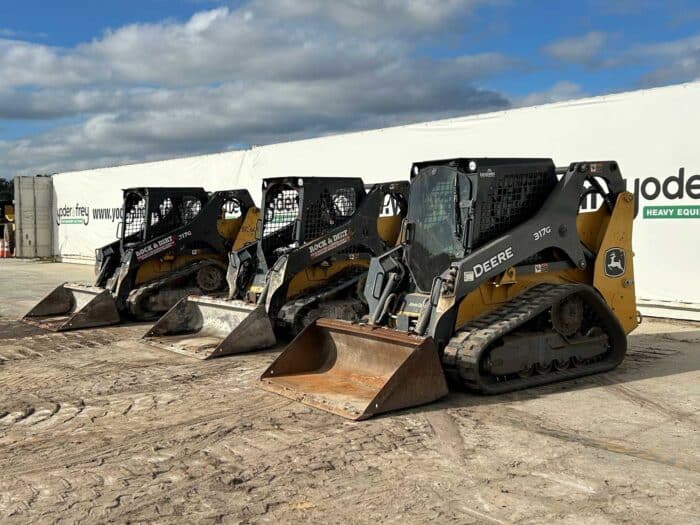
The used market for skid steers and compact track loaders has matured into a critical buying channel — one without the sticker shock of new iron. Contractors can upgrade. Rental fleets can rotate inventory. Fleets can rightsize. Machines change hands. What’s different today is the mix of tighter supply in some categories, stronger pricing for clean machines and a buyer base that is more informed than ever. The used loader market remains very much worth exploring — if buyers know what to look for and where to look.
“We are seeing a huge increase in rental equipment available on the market right now,” says Mike Thurston, senior vice president at equipment auction experts Yoder and Frey. “Low hours are king. After that, price drives purchase. When it comes to skid steers and compact track loaders, units that have cabs with air, high flow, telematics and extended warranties are retaining their value. Subsidized interest rates are also helping move machines.”
The State of the Used Loader Market
The used market for skid steers and compact track loaders continues to reflect strong underlying demand for versatile machines. Inventory levels have fluctuated over the last few years, but clean, well-maintained loaders still move quickly — especially tracked units. Compact track loaders have steadily gained share in the market due to their performance on soft ground, slopes and finished surfaces, and that popularity carries over to used equipment.
“All loaders do great at our auctions, but we definitely see more CTLs today,” says Thurston. “Cat and Bobcat are the most visible, mostly due to build capacity.”
Market data from Sandhills Global in 2025 show that medium-duty construction equipment, including skid steers and CTLs, has seen tightening inventory in recent periods. Asking and auction values have largely held steady, with modest upward pressure on well-kept machines. Buyers remain selective, but demand has not softened enough to create widespread bargains. This means buyers should approach the used market with realistic expectations. Deals still exist, but they favor preparation and patience.
Why Contractors Buy Used Loaders
The reasons contractors shop used are straightforward. Used machines help preserve capital. They avoid the steepest depreciation curve. They can fill fleet gaps quickly. For seasonal contractors or expanding operations, a used skid steer or CTL often makes more financial sense than stretching for a new machine. Used equipment also opens the door to higher-spec machines. Buyers can afford enclosed cabs, high-flow hydraulics or premium attachments on the used market that would be cost-prohibitive new. That flexibility is part of the appeal — as long as the machine is sound.
Hours Matter — But They’re Not Everything
Hour meters remain the first number buyers check, but hours alone never tell the full story. A lower-hour machine with poor maintenance can be riskier than a higher-hour loader that received consistent service. Usage patterns matter. Environment matters. Operators matter. A skid steer that spent its life grading dirt will age differently than one used daily with a cold planer or forestry attachment. A CTL that ran in abrasive conditions will show undercarriage wear faster than one that lived on turf or snow. Buyers should evaluate hours in context, not isolation. Service records, visible wear and component condition often provide better insight into remaining machine life than the hour meter alone.
Inspection Is Non-Negotiable
Every used loader deserves a thorough inspection. Even machines marketed as “certified” should be evaluated carefully. Start with the basics. Walk the machine. Look for obvious damage, leaks or signs of neglect. Check tires or tracks. Inspect the undercarriage closely on CTLs — rollers, idlers, sprockets and track condition all affect ownership costs. Move to the engine compartment. Look for fluid leaks, cracked hoses, worn belts and dirty filters. Poor cleanliness often signals poor maintenance. Check oil condition. Examine hydraulic lines and fittings. Sloppy routing, chafing or fresh paint around welds can raise red flags.
Inside the cab or operator station, test everything. Controls should respond smoothly. Warning lights should function. Seats, belts and safety systems should be intact. Excessive wear inside the cab can contradict a low-hour claim. If possible, operate the machine under load. Cycle the hydraulics. Listen for unusual noises. Watch for hesitation or overheating. A short test can reveal problems that photos never will.
“Spend the time to personally inspect the equipment,” confirms Thurston. “This is the number one tip. Make sure the machine is the right size and fit. Size and fit matter.”
Tracks, Tires and Undercarriages Deserve Extra Attention
On compact track loaders, undercarriage condition can make or break a deal. Tracks are wear items, but replacement costs add up quickly. Uneven wear, missing lugs or stretched tracks suggest hard use or poor maintenance. Rollers and sprockets should rotate freely and show even wear patterns. Skid steer tires also matter. Mismatched tires or excessive wear may indicate alignment issues or heavy surface work. While tires are easier to replace than tracks, they still factor into total cost of ownership. Buyers should always budget realistically for wear components. A “cheap” machine with a worn undercarriage can quickly become expensive.
Parts Support and Model Longevity
Not all used machines are equal when it comes to long-term ownership. Buyers should confirm that parts and service support remain available for the model they are considering. Older machines may still run well, but limited parts availability can lead to downtime and frustration. Mainline brands such as Bobcat, John Deere and Caterpillar tend to offer longer support windows, which matters in the used market. Dealer networks also play a role. Access to knowledgeable technicians and parts inventory can influence the real value of a used loader. “Dealer support is critical,” says Thurston.
Where Buyers Find Used Skid Steers and CTLs
Used loaders appear in many places, and each venue carries trade-offs. Dealer lots remain a popular option. Dealers often know the machine’s history, may offer reconditioning and sometimes include short-term warranties. Rental fleets are another major source. Rental machines often accumulate hours quickly, but they typically follow strict maintenance schedules. Buyers should inspect carefully for wear from multiple operators, but fleet machines can be solid values. Auctions and online marketplaces have grown dramatically. Platforms associated with Ritchie Bros. and Yoder and Frey provide access to a wide range of machines across regions. Buyers gain selection but must be comfortable reviewing inspection reports and managing transportation logistics.
“We are a global auction company that sells absolute only,” says Thurston. An absolute auction sale does not have a minimum bid or minimum overall sale price. “If you come to buy, buy with us because the equipment will sell. Our sales team has unmatched years of experience in the industry.”
Private sellers round out the landscape. These transactions can offer savings but require extra diligence. Documentation, inspection access and payment terms matter more when no intermediary is involved.


Comments are closed here.