
Find Out How Modern Compact Track Loaders Are Eliminating Blind Spots on the Jobsite
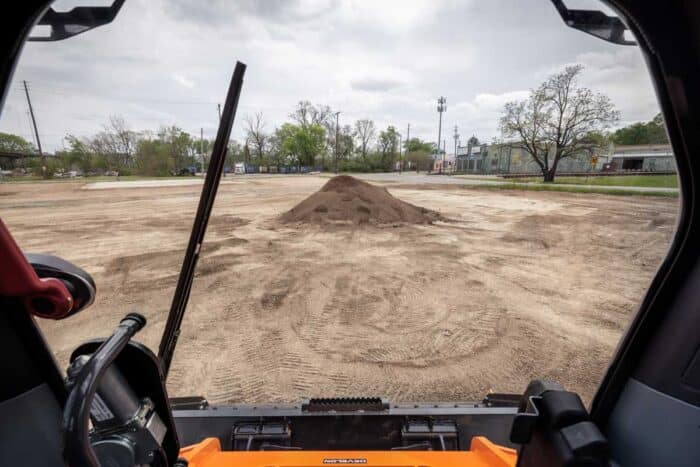
A construction site is bustling with machinery, including a compact track loader (CTL) working to level a grade. The operator, monitoring the in-cab camera, sees a machine roll into the blind zone and stops the CTL immediately, thereby avoiding a costly collision. Smart design and advanced visibility features — such as cameras and improved lighting — in today’s CTLs help operators see everything around the machine, including other equipment and workers. Let’s dig into how these features boost operator safety and confidence.
Smart Design
Compact loader manufacturers use smart designs to enhance visibility and precision. For example, one enhancement is a low-profile lift arm.
“Lower loader arms give operators a much better view of the bucket’s edge and the ground right in front of the machine,” says Andy Jeong, compact equipment and dozer product manager for Develon. “Thinner metal pillars and bars increase glass area, which improves side visibility.”
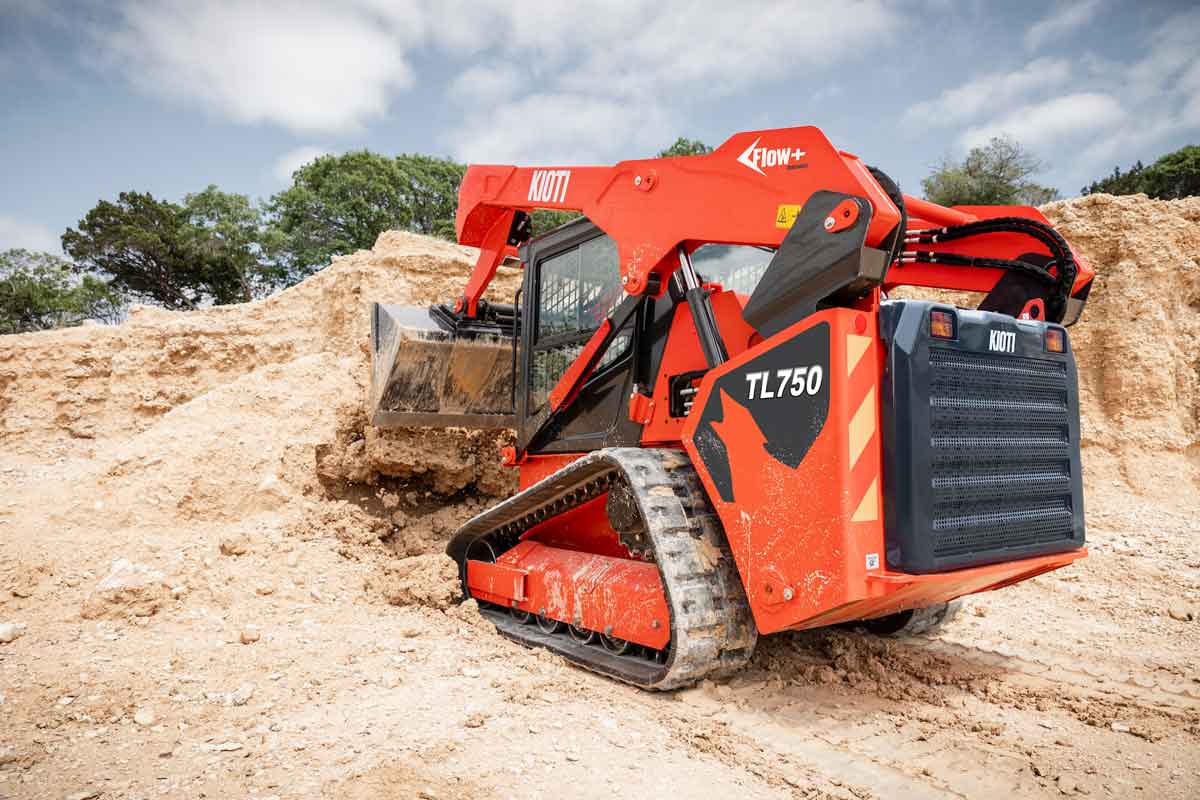
Internal parts placement allows for a lower rear engine cover and hood, enabling operators to look easily over the back of the machine. These updates, along with higher seating, help provide an unobstructed view from the moment the operator sits down in the cab.
More Glass and Brighter Lights
Beyond structural enhancements, compact loader manufacturers use modern materials for windows and lighting to enhance clarity and safety in all conditions. Many new CTLs feature more glass area with large front and side windows that show a clear view.
“For demanding tasks like loading material into dump trucks or lifting pallets, the visibility roof panel is a major benefit,” says Jeong. “This panel gives the operator a clear view of what’s directly overhead, which is crucial when handling elevated loads and ensures better load control.”
When it gets dark, high-intensity lighting systems are important on the jobsite.
“LED work lights on the front and back of the machine improve visibility during low-light or nighttime work,” says Jeong. “These powerful lights are critical to keep the jobsite safe and highly productive, as they minimize the risk of accidents.”
Additionally, LED side work lamps improve visibility in the peripheral areas of the operator’s view. Clearly lighting the tracks and tires is key when maneuvering in confined spaces or navigating around obstacles. Jack Eike, the owner of Wood Duck Landscapes in Iowa, says the visibility of his compact track loader is excellent and he “can see basically every corner of the machine.”
Integrated Camera Systems
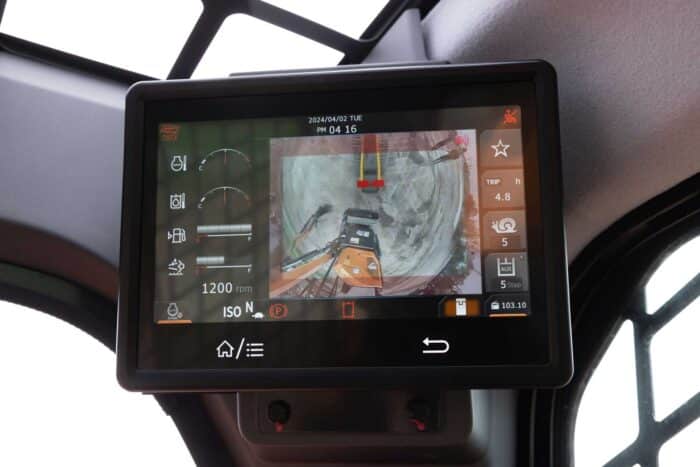
The biggest changes come from integrated cameras, like rearview and around-view monitor (AVM) camera systems. These smart tools act as virtual eyes, erasing blind spots. “Rearview cameras give a clear, wide-angle view of the area directly behind the machine,” says Jeong. “This real-time feed is shown on a screen inside the cab, helping operators easily spot other workers, objects or ground conditions before backing up.”
Side-mounted cameras, which are available as an option on some manufacturer’s equipment, can see along the edges of the machine. They help when moving next to trenches or in other tight spots. AVM camera systems use a network of wide-angle cameras placed at the front, back and sides of the machine.
“The AVM camera systems can provide up to 270 degrees of enhanced visibility, drastically reducing blind spots around the machine,” says Jeong. “Operators can easily spot potential hazards hidden from their direct line of sight, which is important when working in congested areas.”
Eric Yarbrough, the owner of E & B Dirt Works in Alabama, says the best safety feature on today’s CTLs is the AVM camera system, which gives “a panoramic view all the way around” so he can see everything around the jobsite. Today, advanced technology enhances the operator’s vision to help every jobsite be safer and more productive.
Allison Grettenberg is a technical writer at Two Rivers Marketing in Des Moines.


Comments are closed here.