Caterpillar and NVIDIA Push AI into the Physical World
Caterpillar and NVIDIA are expanding their collaboration to apply artificial intelligence directly to machines, jobsites, factories and supply chains. This partnership focuses on physical AI — systems that sense, reason and act in real-world environments. This is not abstract software. It is AI embedded in iron, electronics and workflows that already exist across construction, mining and power generation. The collaboration centers on bringing advanced AI models out of the cloud and onto equipment. NVIDIA’s edge-computing platforms allow Caterpillar machines to process data locally, in real time. That shift enables faster decisions, lower latency and more autonomy without relying on constant connectivity. From this press release:
“As AI moves beyond data to reshape the physical world, it is unlocking new opportunities for innovation — from job sites and factory floors to offices,” said Joe Creed, CEO of Caterpillar. “Caterpillar is committed to solving our customers’ toughest challenges by leading with advanced technology in our machines and every aspect of business. Our collaboration with NVIDIA is accelerating that progress like never before.”
AI in Equipment Creation
Caterpillar already uses AI during machine development and manufacturing. Engineers use AI tools to analyze massive datasets faster than traditional methods. This speeds design validation, simulation and testing. Generative AI helps teams search proprietary technical libraries and surface usable answers in seconds. In factories, Caterpillar builds digital twins using simulation tools. These virtual replicas allow teams to test layouts, workflows and production changes before touching the real plant. The result is fewer surprises and faster optimization.
AI on the Jobsite
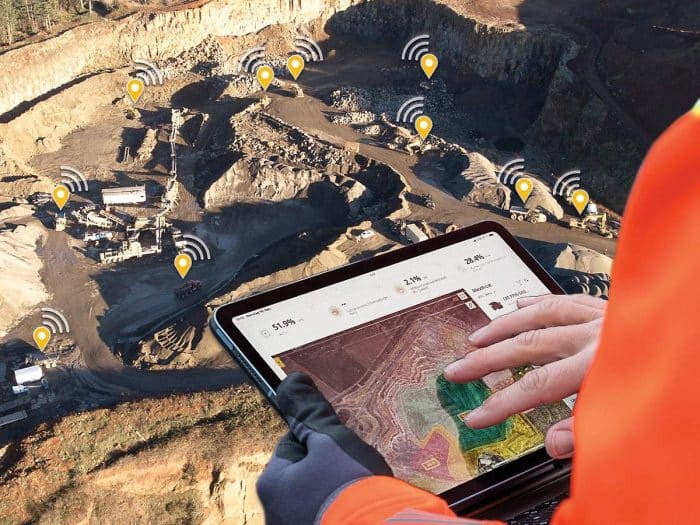
On the machine side, AI supports operators rather than replacing them. In-cab systems analyze sensor data and operating conditions in real time. AI-driven assistants adjust settings, flag issues and guide troubleshooting through voice or screen interfaces. Operators receive context-aware prompts instead of static manuals. AI also supports autonomy features. Machines can evaluate terrain, obstacles and task parameters simultaneously. These systems process billions of data points to help equipment navigate complex jobsites with less operator input.
Edge Computing Becomes the Backbone
AI requires speed. That is where edge computing matters. By processing data on the machine, Caterpillar avoids delays tied to cloud-only systems. Cameras, lidar, hydraulic sensors and powertrain data feed AI models instantly. Machines react immediately to changing conditions. This architecture also supports future autonomy upgrades without replacing hardware.
Monitoring Equipment at Scale
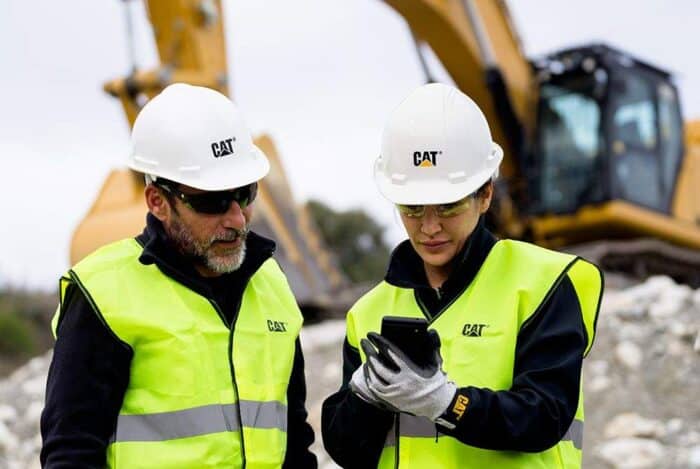
AI plays a growing role in fleet monitoring and condition tracking. Machine learning models analyze incoming telematics data to detect early signs of wear or failure. Systems prioritize issues and generate service recommendations automatically. Humans stay in the loop. AI handles data prep and pattern recognition. Technicians focus on decisions and execution. Beyond equipment, Caterpillar applies AI to forecasting, scheduling and logistics. AI models help balance production volumes, parts flow and factory capacity. These systems improve resilience when supply chains shift or demand spikes. Digital twins of factories allow teams to simulate disruptions before they happen. That capability supports safer, leaner operations.
A Long View Of Automation
Caterpillar has worked with autonomy for decades, especially in mining. This partnership accelerates that trajectory across more equipment categories. The focus remains practical. AI supports productivity, safety and uptime. It does not chase novelty.
What This Means for Compact Equipment
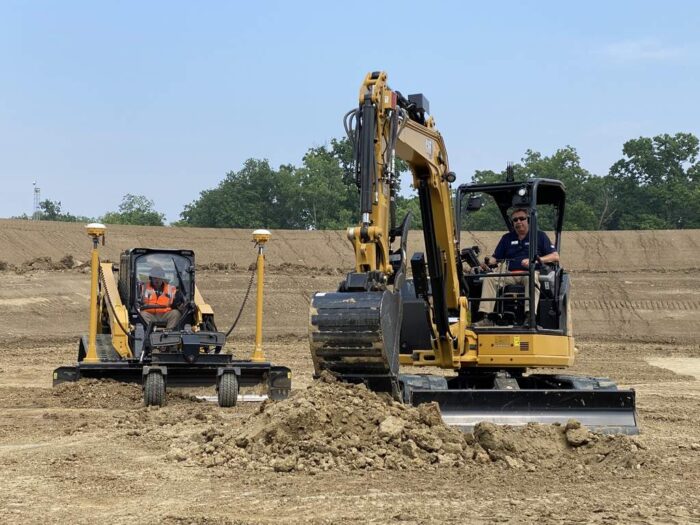
For compact machines, these technologies arrive incrementally. Expect smarter operator assist tools, better diagnostics and more responsive controls first. Full autonomy follows later, where applications make sense. AI will not replace skilled operators. It will reduce friction, surface insights faster and make machines easier to run well. This partnership signals where construction technology is heading — not louder marketing, but quieter systems that think faster than humans can.
Keith Gribbins is publisher of Compact Equipment.