Learn How Land Plane Attachments Smooth the Surface While Reducing Labor
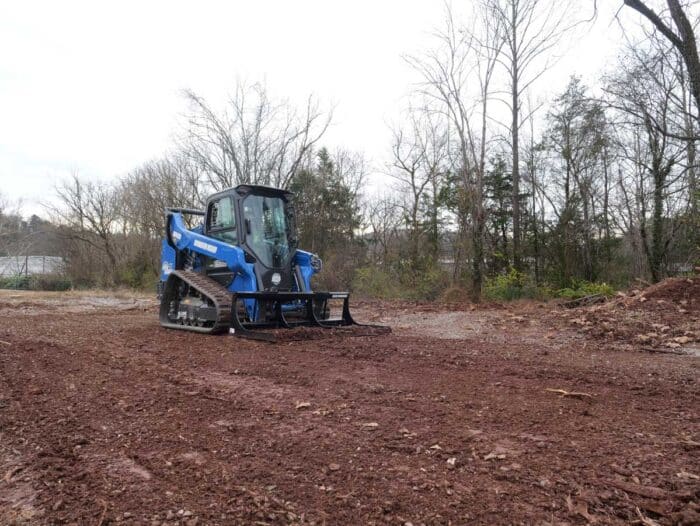
If grading and leveling ground is on the docket for the day, a land plane attachment is an easy, no-fuss tool that can help. This attachment is a top choice among contractors, landscapers, property managers and more to save time, reduce labor and deliver consistent results.
“A land plane attachment lets operators quickly grade and level soil in both forward and reverse, which cuts down on hand raking and labor time,” says Nick Almen, senior product specialist at Bobcat. “It also helps break up hard ground, pulverize clods and remove rocks in a single pass. The result is a smooth, even surface that’s ready for seed, sod or final finish work, making it a time-saving tool for site prep and cleanup jobs.”
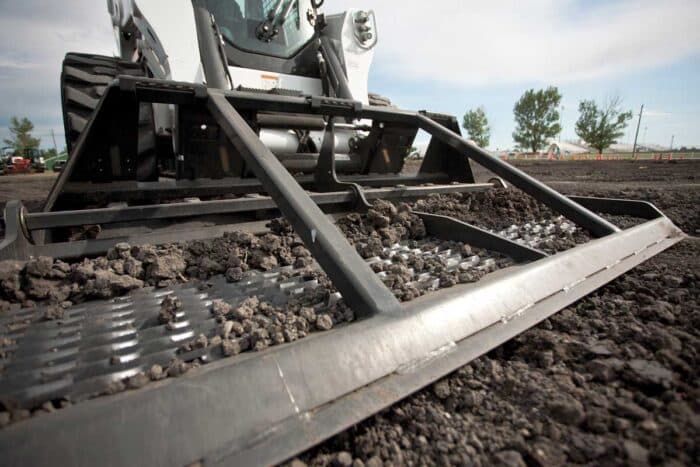
When looking to purchase a land plane attachment, buyers should consider features such as build quality and durability, width, precision and adjustability. Almen says to also look at available options from the manufacturer. These include options like hydraulic fold-down scarifiers for breaking up hard ground, replaceable cutting edges for longer service life and removable screens that help pulverize soil while separating debris. Cost is also important. The price of a land plane can range from $1,000 to $5,000, depending on the type of loader, width and options.
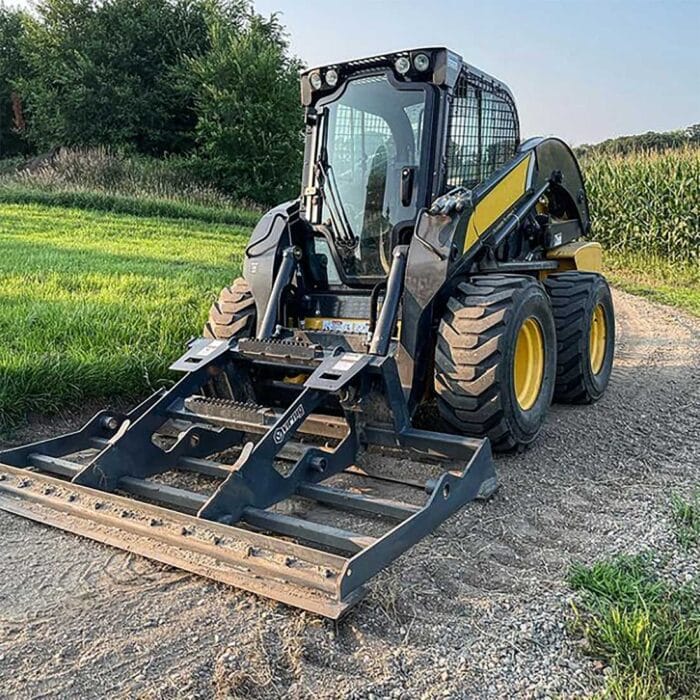
If you’re in the market for a land plane, there are plenty of options from manufacturers like Bobcat, Blue Diamond Attachments, Virnig and more. However, a manufacturer may call their attachment something other than a land plane, but it serves the same purpose. For example, Virnig offers its Skid Steer Land Leveler that’s built for aggressive cutting and precise grading.
“Key features of Virnig’s Skid Steer Land Leveler include a heavy-duty design, wide blade for control, 5/8-in. thick reversible steel bolt-on edge and an optional hydraulic scarifier to break up compacted ground while leveling,” says Tyler Monson, product manager at Virnig Mfg. “We also offer a mini skid steer land leveler, allowing operators to select the right fit for their machine.”
Blue Diamond Attachments has two widths available — 72 and 84 in. — in its full-size basic land plane lineup, as well as a model designed for mini skid steers. The company also offers a premium version of a land plane called a box scraper ripper. Kevin Murphy, key account manager for Blue Diamond Attachments, says the box scraper ripper improves upon the simple land plane design by adding adjustable ripper shanks onto it. It also boasts bolt-on replaceable edges that provide a more aggressive option. Murphy says the box scraper ripper is an ideal choice for someone who needs to break up the ground a little and then level it.
Almen explains that Bobcat’s 86-in. land plane attachment is designed with increased strength to handle larger loaders. This model is the only Bobcat land plane that offers replaceable cutting edges, bucket-carrying tabs and an optional hydraulic scarifier.
Operational Tips
Before operating a land plane attachment, it’s important to become familiar with its operator’s manual, as well as the jobsite and who may be working around the machine. Monson shares these considerations for safe operation:
- Inspect the worksite for obstacles, debris or hidden hazards before starting.
- Keep bystanders clear of the operating area.
- Operate at controlled speeds and avoid sharp turns or sudden stops.
- Ensure the attachment is securely connected and follow hydraulic lift and tilt limits.
- Use personal protective equipment and remain alert to changing terrain.
For the best results when using a land plane, Almen suggests that operators work in both forward and reverse passes to achieve consistent grading. He also says that making additional passes at a 90-degree angle to the initial direction can help eliminate ridges and leave a more uniform finish across the entire surface.
Murphy adds that operators should be sure to use a land plane attachment for its intended application and not try to lift anything with it.
“A land plane is designed to level out material. It’s not designed to be used as a lifting apparatus,” he says. “Don’t try to pick up heavy items with a land plane attachment even though it is shaped like a set of pallet forks. As far as your final pass, it’s recommended that your final pass be a back drag pass to eliminate any tire or track marks in your final finished product.”
Murphy also warns operators to be careful when pushing materials and vegetation. He says that operators can get overly aggressive when using a land plane and risk damaging the attachment.
“It’s important to use caution when pushing with a land plane because it’s not designed to push over larger vegetation or large rocks,” says Murphy. “Small saplings and similar vegetation could potentially bend or break the attachment, so make sure to use the proper tool for the job. If you want to remove sod, grass or the top layer of vegetation, operators should be ok if there are shallow roots and smaller materials involved.”
Understanding Upkeep
Since land planes are fairly simple attachments, maintenance isn’t too complicated. Monson highlights these tasks to keep your loader-land plane combo up and running:
- Inspect cutting edges and wear components regularly and replace when worn.
- Check frame integrity, mounting points and hardware for tightness.
- Clean the attachment after use to prevent buildup of dirt or gravel.
- Monitor skid steer or mini skid steer hydraulics, hoses and couplers for wear.
- Lubricate pivot points as needed.
- Keep quick-attach systems clean to ensure safe operation.