
Safe Scissor Lift Operation Starts with the Machine’s Manual and Proper Training
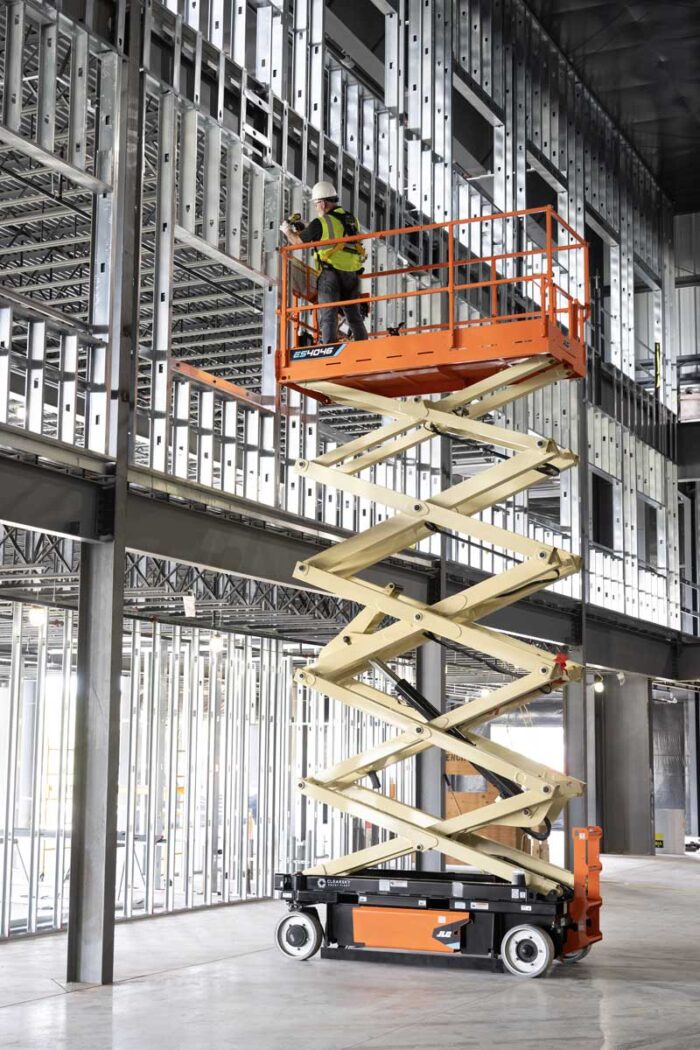
Scissor lifts aren’t complex to operate, but they do require operators who know what they’re doing. Only trained, familiarized personnel should operate one of these machines, and they should understand all warnings, decals and controls before moving the machine.
This means training must be specific to the unit: the buttons, the emergency descent methods, the feel of the controls and the unique attributes of that model. It also means operators need to recognize hazards without hesitation, understand platform capacity without guessing and know how to respond when something doesn’t feel right.
Work Begins Before the Platform Leaves the Ground
Each day, before the first lift with the machine is performed, a scissor lift operator needs to perform two critical pre-operation steps:
- Inspecting the workplace
- Inspecting the machine
A walk-through of the work zone isn’t just about clearing debris; it’s about spotting the potential issues before they become incidents. Overhead obstructions, low-hanging power lines, uneven or soft ground, hidden holes, vehicle traffic and shifting environmental conditions are all hazards that need to be identified before an operator brings the machine into position.
The machine inspection is equally vital. Guardrails need to be secure. Safety decals must be present and legible. Tires, hydraulics, batteries, platform gates and lift components should all be in proper working order. If anything is missing, damaged or modified, the machine stays on the ground — no exceptions.
Platform Behavior Is Important
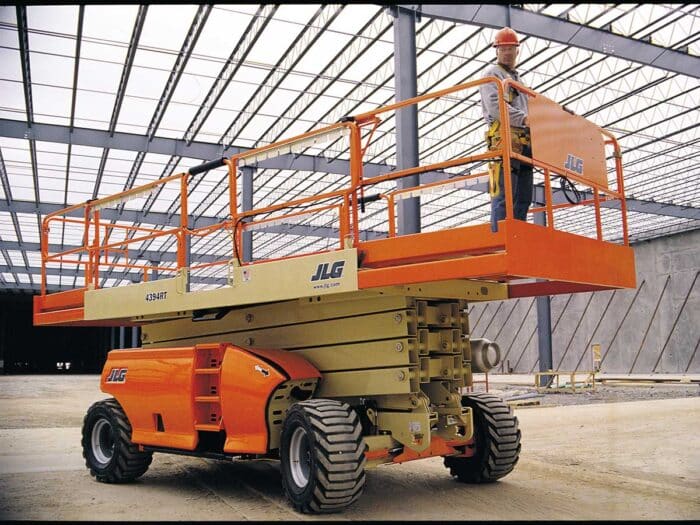
Machine operation requires an operator’s full attention to details. JLG’s manufacturer-recommended guidelines leave no wiggle room for proper safe use, including:
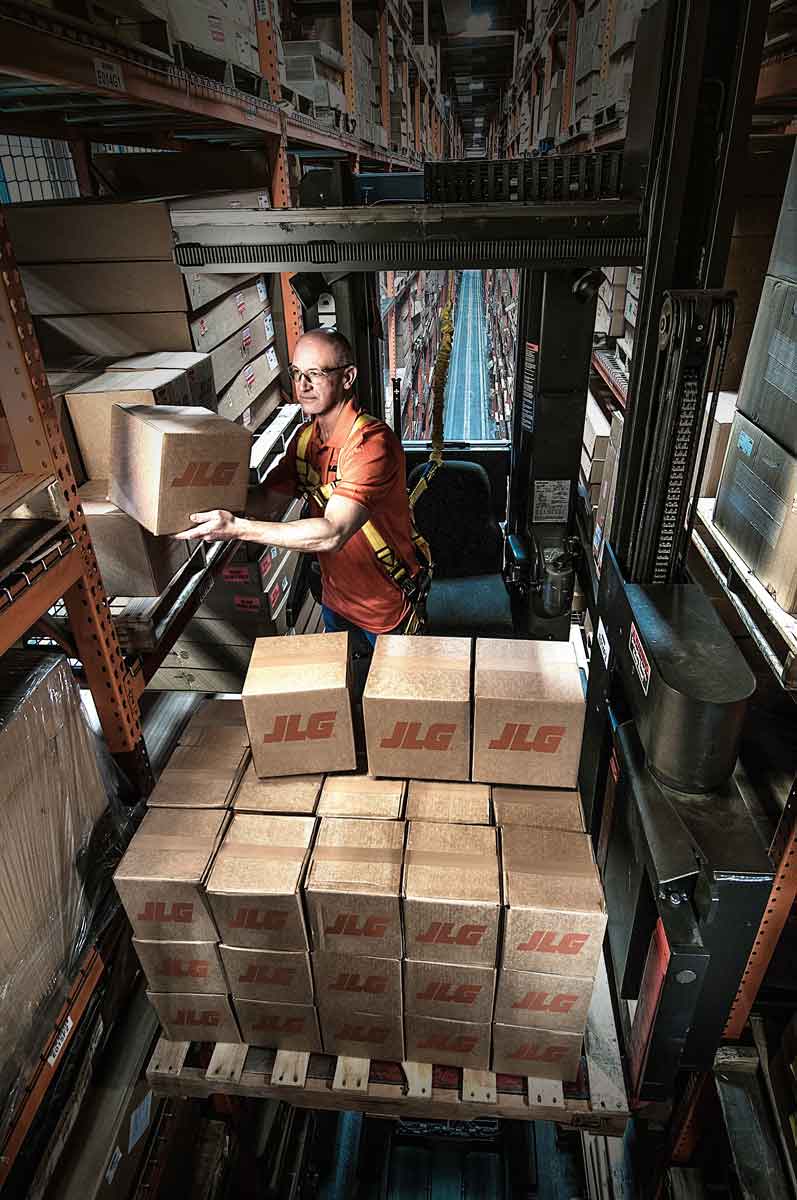
- Wear a full-body harness and securely attach it with a lanyard to an authorized lanyard anchorage point.
- Keep both feet firmly on the platform floor. Always maintain three points of contact with the machine.
- Do not climb the rails, stand on boxes or stretch into positions the machine wasn’t designed to accommodate.
- Make sure all tools are properly stowed and never leave cords hanging in the work area.
- Bring the machine to a full stop before using any device, i.e. cell phones, two-way radios, etc., that will distract from safely operating the machine.
- Be aware of any oil, mud and slippery substances on footwear or the platform floor. Clean up immediately.
- Enter and exit only through the gate area. Fully lower the platform and shut off all power before leaving the machine.
In addition, an operator should always be familiar with the operating surface before driving a scissor lift. It is important not to exceed the machine’s allowable side slope and grade while driving, as well as not to elevate (or drive elevated) on or near a sloping, uneven or soft surface.
And, do not travel on unsupported surfaces. Before driving on floors, bridges, trucks and other surfaces, always check the allowable capacity of the surfaces. Last, operators should never exceed the maximum platform capacity.
For a full list of OEM-approved scissor lift safety precautions, operators should consult a machine’s Operation and Safety manual. These may sound like basic reminders, but taking shortcuts can lead to incidents. The platform is engineered as a complete, contained workspace. Breaking that integrity may compromise the protective design of the platform.
Environmental Conditions Are the Invisible Variables
Scissor lifts are designed for stable work at height when used within their operating envelope. The jobsite environment plays a big role in determining this.
Wind is one such factor. Operators should not exceed a manufacturer’s wind restrictions; referencing a Beaufort Scale chart can help crews estimate wind conditions on the jobsite. If the wind is moving branches, flags or dust, the operator needs to stop and reassess. Added surface area, such as large sheets of material, can dramatically increase wind effects and should not be carried on the platform.
Electricity is another risk. Scissor lifts are not insulated, and OEMs like JLG outline strict Minimum Approach Distances for working near power lines in a machine’s Operation & Safety manual. These distances expand with higher voltages, and operators need to take them seriously.
Terrain rounds out the environmental considerations. A scissor lift must travel on firm, level surfaces, and driving while elevated is never permitted on slopes or uneven ground. JLG’s manufacturer recommendations even recommend keeping the chassis a minimum of 2 ft from holes, debris and similar obstructions that could compromise stability.
Know What the Machine Is — and What It Is Not
Scissor lifts are designed for vertical lifting. They are not cranes. They are not rigging points. They are not meant for pushing, pulling, hoisting or serving as anchor points for tie-off lines unless specifically approved.
When operators apply side loads or use the lift to move materials in unintended ways, they can over-stress the structure, compromise the lifting mechanism or cause serious instability. In fact, JLG’s position is firm: Use the scissor lift only for the job it was built for.
Surroundings Matter as Much as Controls
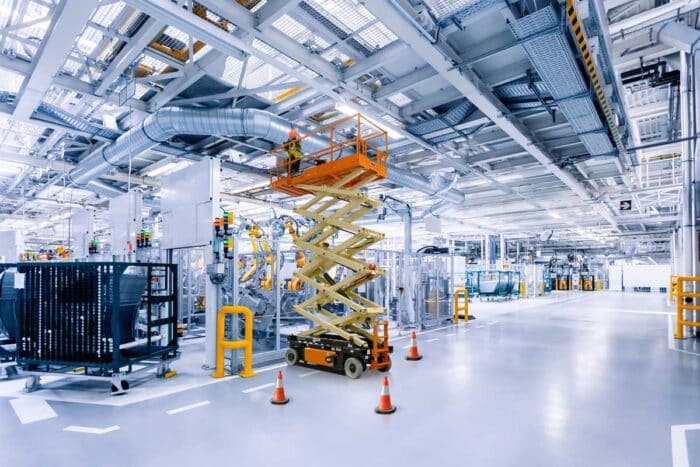
Jobsites are dynamic environments. Pedestrians appear without warning. Vehicles reverse unexpectedly. Overhead structures may be lower than they look.
To avoid collision and crushing hazards, operators must watch clearances closely, keep their hands and limbs inside the platform and post a spotter when vision is compromised. Other personnel are required to maintain a safe separation distance of at least 6-ft during machine travel.
Transport and Maintenance Count Too
Safe scissor lift use doesn’t end with what happens during operation. It also includes adhering to the OEM’s recommended practices for hauling and maintaining scissor lifts.
For example, during transport, the machine must be properly secured. And, when performing maintenance, all motion must be locked out and the platform fully lowered. Hydraulic systems should never be serviced under load or pressure. Battery systems, whether flooded lead-acid, AGM or lithium-ion, must be charged and handled with respect for the chemical hazards they pose.
Safe Jobsites Start with Predictable Habits
When used within their design envelope, scissor lifts can offer stable, reliable operation for crews on jobsites. Safety does not come from complexity; it comes from consistent attention to detail through proper training, conducting inspections, having environmental awareness, following recommended guidelines for safe use at height and respect for the machine’s intended purpose.
When crews embrace the scissor lift operation fundamentals outlined in the OEM’s Safety and Operation manual, they are elevating not just themselves but the entire jobsite safety culture.
Mirco Negri is a senior product manager, specialty equipment for JLG.


Comments are closed here.